How a Tandem Keeps Two Pedal Sets in Step
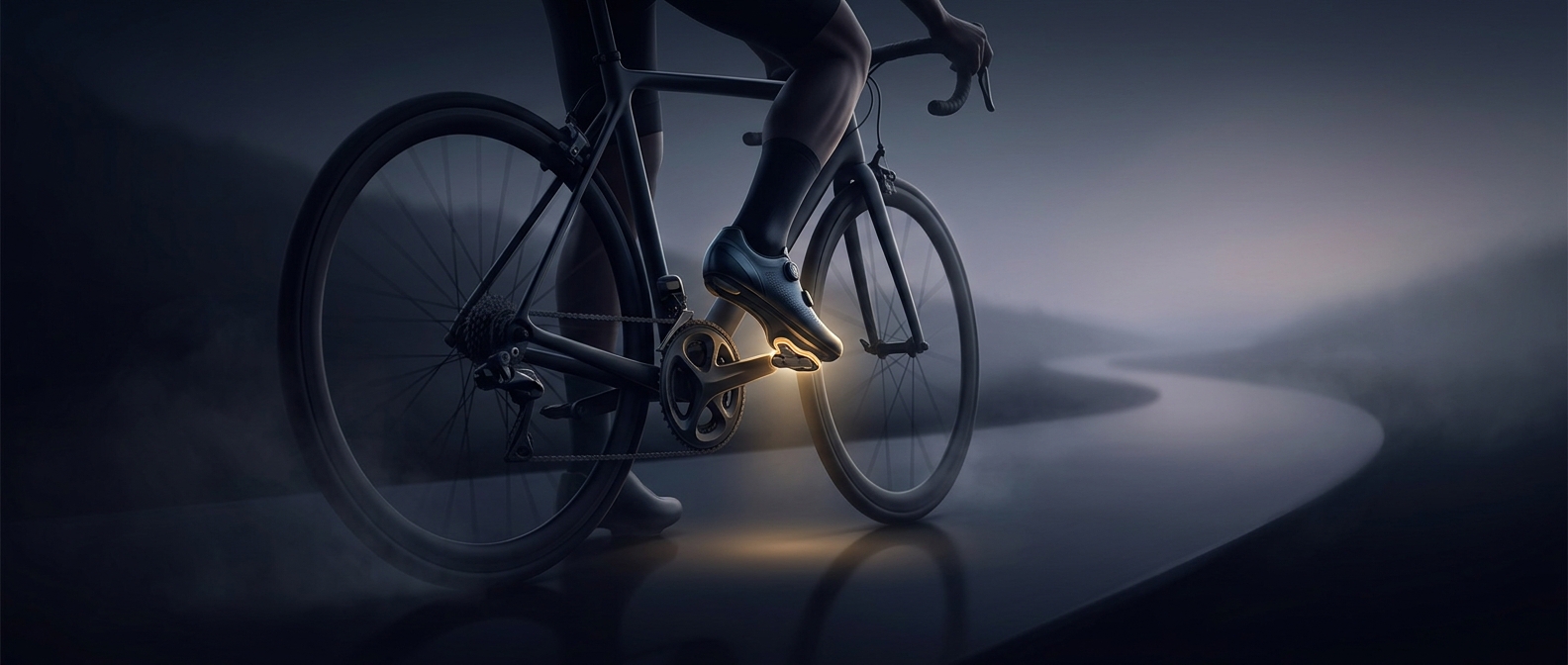
On a standard tandem, a second chain links the two cranksets—the rotating arms that hold the pedals. As the front rider turns the pedals, that timing chain carries the motion to the rear crankset, keeping both sets of pedals at the same rotational speed. The rear rider can add force through the linked drivetrain, helping propel the bicycle forward.
Shared Rhythm, Different Jobs
Because the cranks are mechanically synchronized, both riders’ legs rise and fall together. They do not have to push with exactly equal strength, but a sudden change in one rider’s cadence affects the other. That makes communication useful: the front rider usually controls steering and chooses when to start, coast, or accelerate, while the rear rider follows the rhythm and contributes power.
The arrangement trades independent pedaling for coordinated effort. A rider cannot simply stop turning the pedals while the other keeps a different rhythm; both sets continue moving whenever the linked cranks rotate. Starting and stopping therefore work best when the pair agrees on a cue and shifts their weight together.
Why the Link Matters
The timing chain does more than connect two people to one bicycle. It turns their separate efforts into one shared motion, so mismatched timing does not make the pedals collide or interfere with each other. Once the tandem is moving, the riders can focus on balancing and steering as a team—while the machine quietly keeps their pedal strokes in sync.