Why an Unlabeled Dashboard Button Catches Your Eye
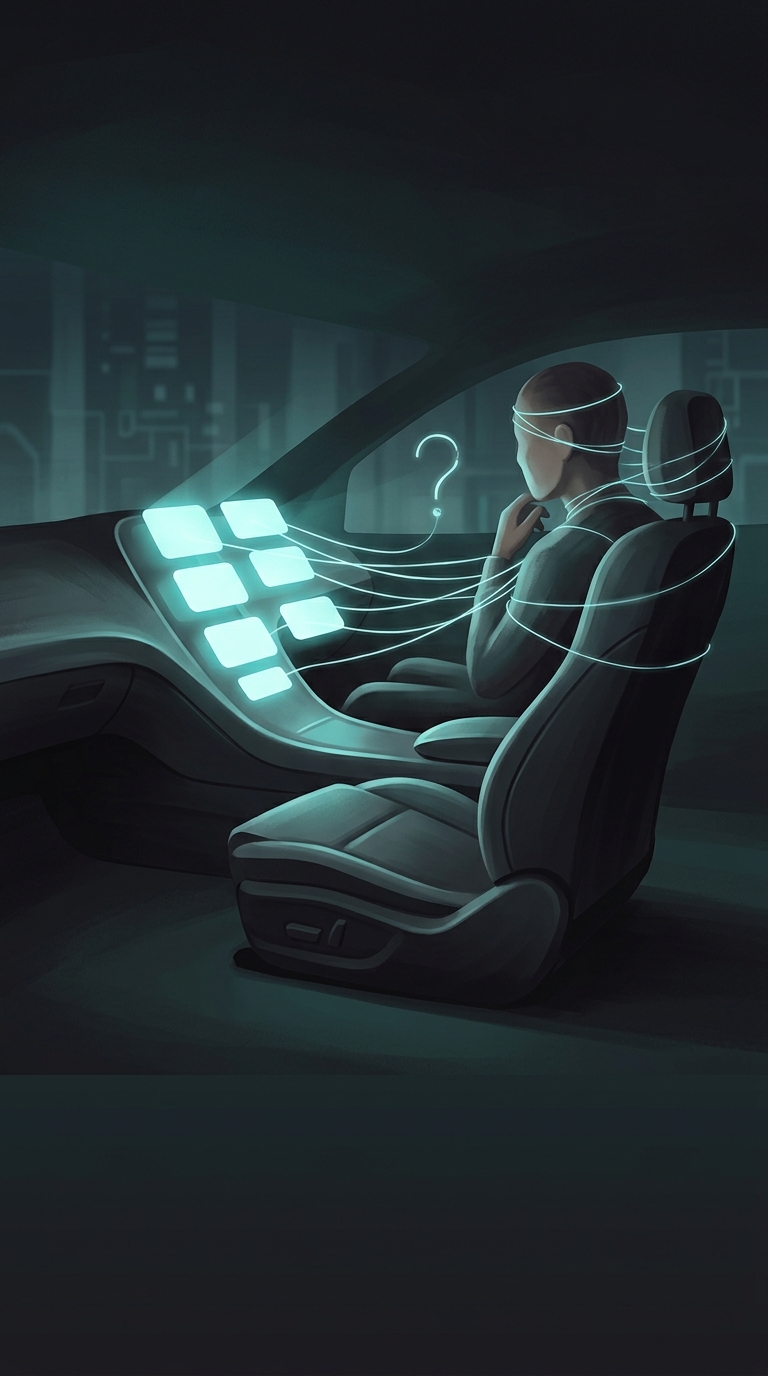
A row of controls makes a promise: each button seems to operate something. So when one is blank—or looks ready to be pressed but does nothing—it can invite a small burst of curiosity. You may wonder what feature is missing, whether your car can do more, or what an upgraded version offers. That is the psychological hook: the empty space makes absent features feel present in your imagination.
But a blank switch is not, by itself, proof of a deliberate manipulation. Cars are often built from shared parts. A manufacturer can use the same dashboard panel across several trims, countries, or equipment packages, while only some versions get a particular feature. A plastic blank neatly covers the unused opening and avoids designing a separate panel for every configuration.
A Hint of Features You Don’t Have
Because the controls are visible, the blank can also make the car’s options feel tangible. It suggests that another version—or another configuration—has something yours does not. That can encourage curiosity about upgrades, especially when the unused spot sits beside controls for familiar functions. The effect is subtle: the button does not explain what is missing, so the driver supplies the possibility.
In practice, though, the blank may simply be a manufacturing convenience, not a sales message aimed at the owner. Its meaning depends on the vehicle: it might cover a switch location used for optional equipment, or it might have no useful function in that model at all. The next time you spot one, the revealing question is not only “What does this button do?” but “Which versions of this car share this dashboard?”