Why the “dental key” could do more than pull a tooth
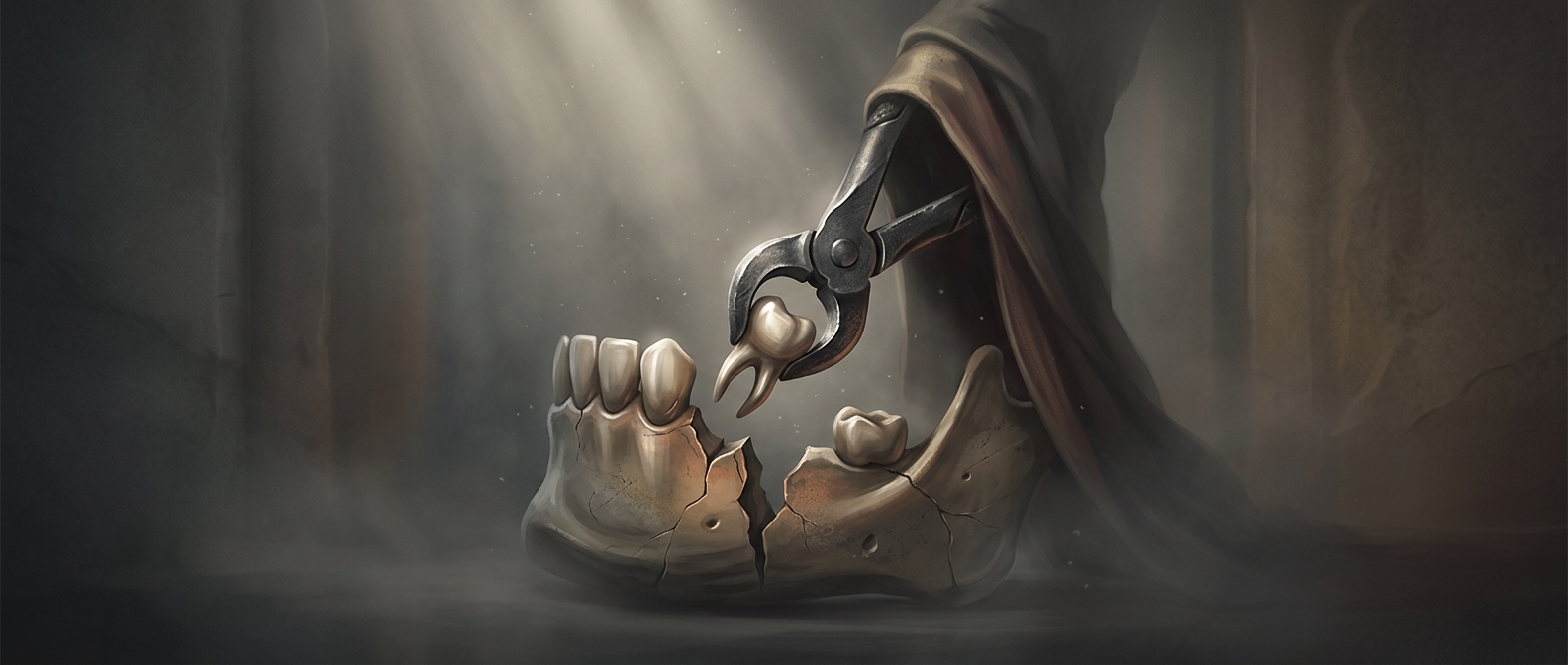
A dental key was a hand tool used to extract teeth before modern dental instruments and anesthesia. Its claw-like end caught the tooth; the operator then turned a handle to apply leverage. That made a stubborn tooth easier to move, but it also concentrated force on a small, fragile area.
The force had nowhere safe to go
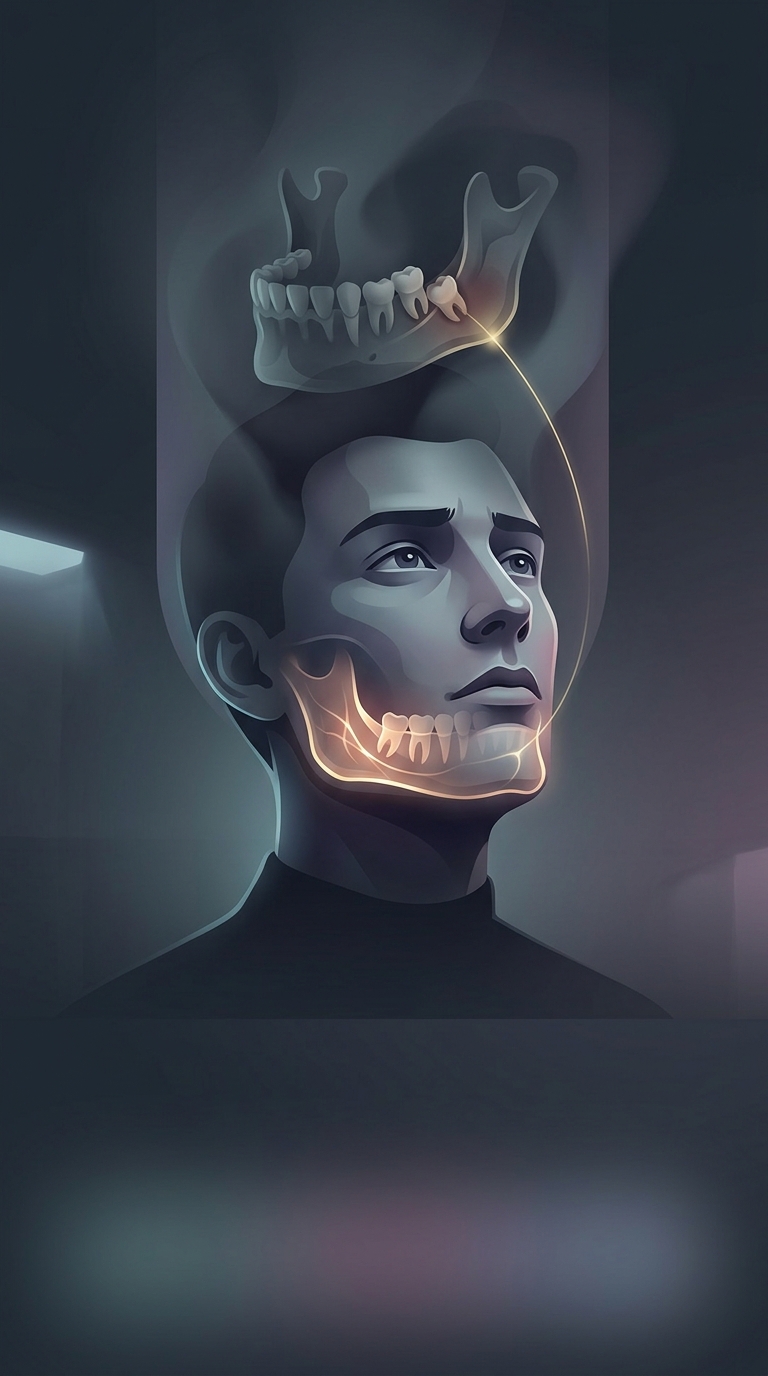
A tooth is anchored in a socket in the jaw by surrounding tissues. If the key slipped, caught the tooth at a poor angle, or was turned too forcefully, the tooth could crack instead of coming out cleanly. The tool might also crush or tear the gum. And because the jaw supports the tooth, force transmitted through the socket could fracture the bone—especially if the tooth resisted and the operator kept twisting.
The key’s design reflected a basic tradeoff: leverage amplified the operator’s strength, but offered little protection against misjudging how much force the tooth could withstand. Unlike a modern extraction, which can involve carefully loosening the tooth and controlling its movement, a key’s turning action could make a sudden, damaging twist.
A painful problem with lasting consequences
An extraction injury could leave more than a gap where the tooth had been. A broken tooth might leave pieces behind, while torn tissue or a fractured jaw could make eating and healing harder. In an era before effective local anesthesia and modern infection control, the extraction itself was only part of the ordeal.
The tool was memorable because its simple leverage made tooth-pulling possible—and because the same leverage could turn a difficult extraction into a much more serious injury.