How Voluntary Human Extinction Is Meant to Happen
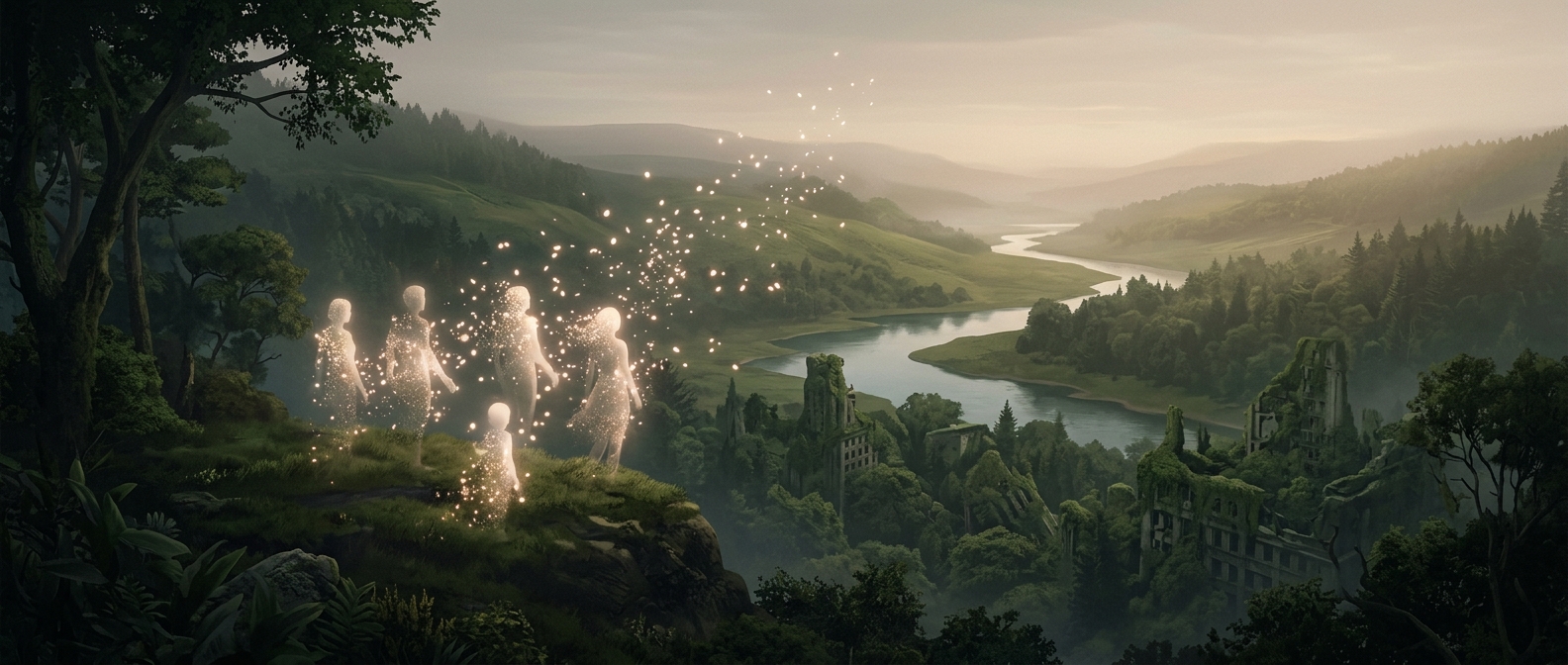
The Voluntary Human Extinction Movement’s proposal is deliberately gradual: people who share its view choose not to have children. As existing generations pass away, the human population would eventually dwindle rather than disappear through violence, coercion, or a sudden catastrophe. The idea treats reproduction—not individual people—as the lever for reducing humanity’s long-term demands on the planet.
That distinction is central to the movement’s meaning. “Voluntary” makes the choice personal; it does not call for anyone to harm themselves or force others to stop having families. Its endpoint is human extinction, but its proposed means are ordinary decisions repeated across generations.
What “Planetary Balance” Means in This Argument
The movement’s ecological case is that people use land, water, energy, and other resources, and that human activity can damage habitats and other species. With fewer people over time, it argues, there would be less pressure from those demands and more room for ecosystems to recover. This is a broad environmental argument, not a precise promise that population decline alone would restore nature: how resources are produced and consumed also matters.
Its dark humor and performance art make the proposal conspicuous partly because it sounds alarming when stated plainly. The provocation invites a difficult question: if protecting other forms of life is a priority, what obligations—if any—follow from choosing to create new human lives? The movement’s answer is unusually stark, but its practical mechanism is simply a choice that accumulates across generations.