Turning the roadside into a game board
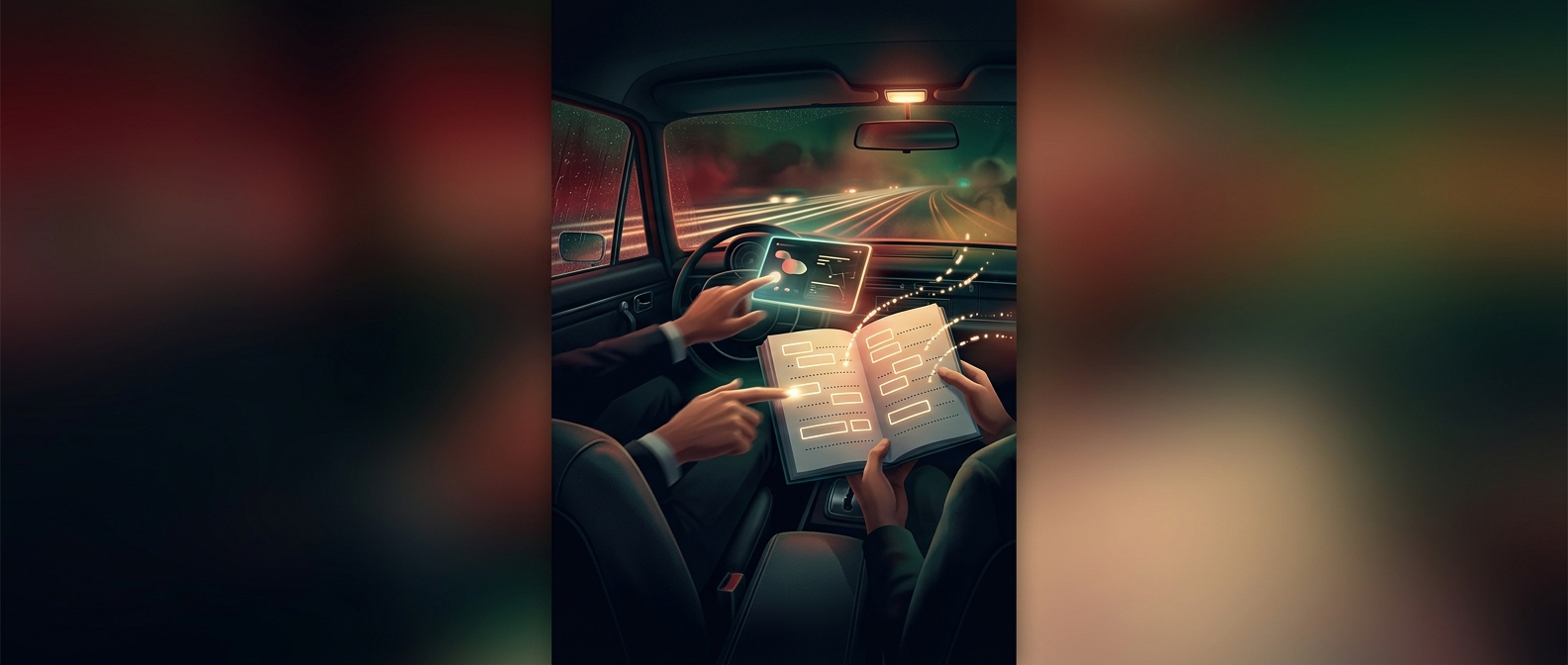
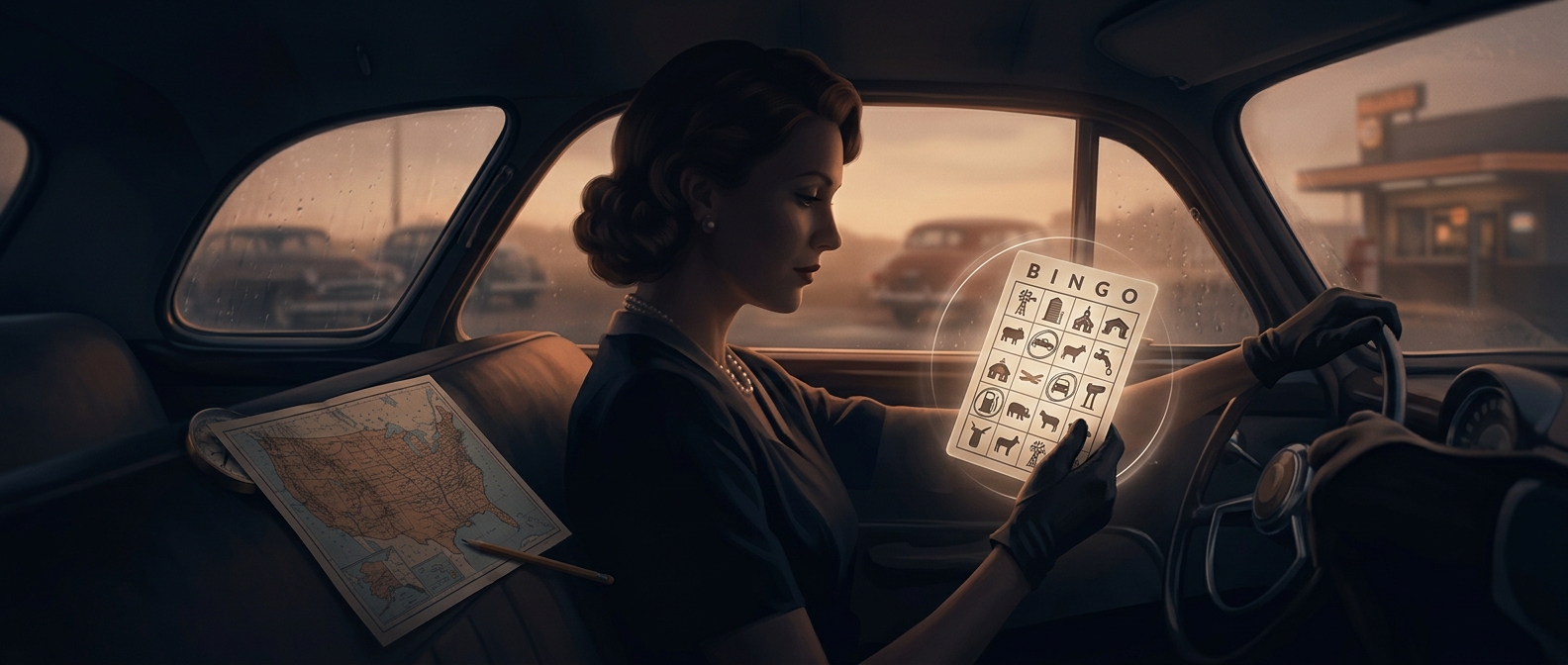
A car window offers a changing view, but much of it can blur into sameness on a long drive. Travel bingo gives passengers a simple job: scan the landscape for listed sights, then mark each one when it appears. A barn, a bridge, or another recognizable object becomes a small event rather than part of an endless stretch of road.
The game works by giving attention a target. Instead of waiting passively for the destination, children can search, recognize, and keep track of what they find. Each marked square provides a small payoff, while the unfinished card keeps the search going.
The design depends on what can be spotted
A useful card needs sights that are easy to identify from a moving car. If every item is common, players may finish quickly; if too many are unusual, they can spend miles waiting for a match. That balance turns the card into a scavenger hunt calibrated to the route and the length of the trip.
Because players can spot different things at different times, the game also gives passengers a shared activity without requiring everyone to look at the same object. Its basic format—search, mark, repeat—needs little explanation and can be played from a seat.
A patent marks a design, not the end of the road
Travel bingo was patented in the 1940s, placing the idea in the era when road trips were becoming a familiar setting for family entertainment. A patent concerns a particular claimed invention or design; it does not, by itself, mean that every later travel game used the same card or rules.
The lasting appeal is practical: a printed grid can turn whatever passes the window into a playable sequence. The scenery does not have to change for the ride to feel less like waiting.