How fuel subsidies changed the price comparison
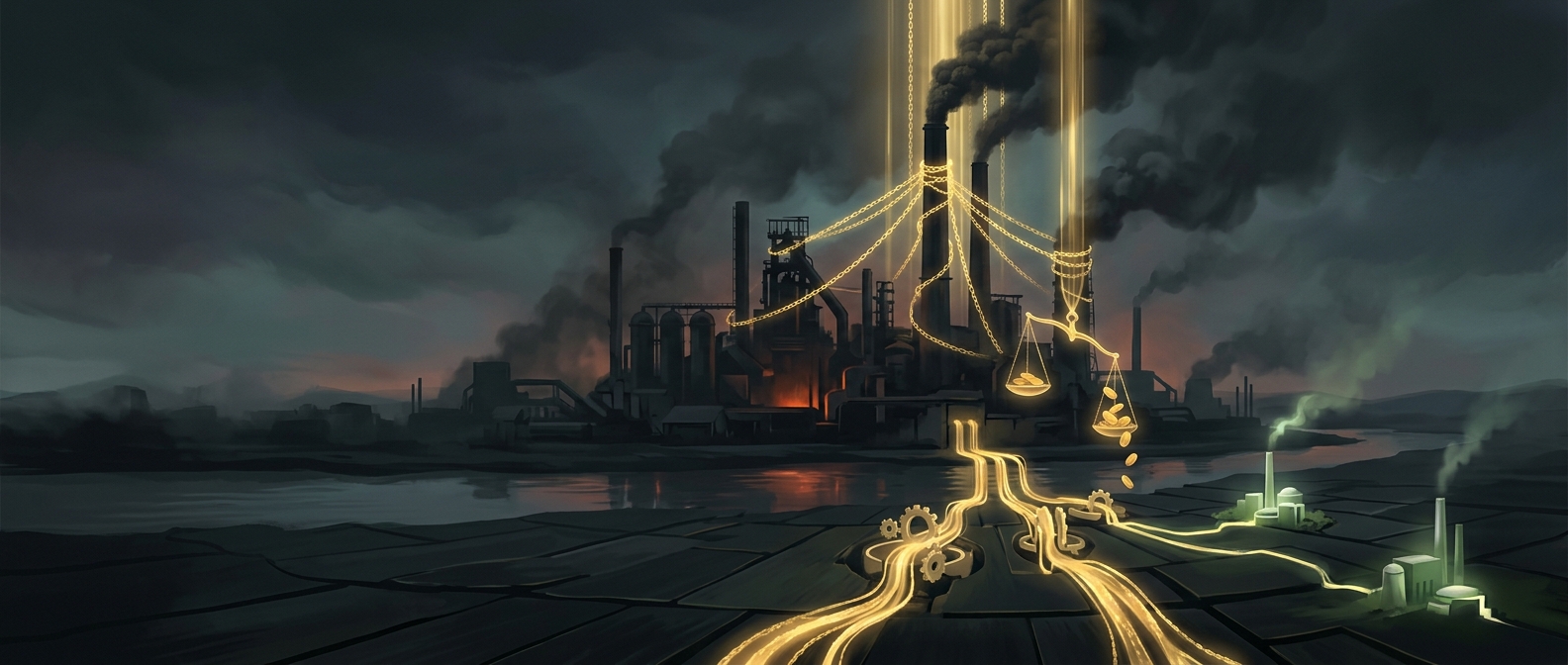
A subsidy does not always appear as a payment at a gas pump. Governments can support an industry through tax breaks, grants, low-cost public loans, or infrastructure paid for with public money. For fossil fuels, such support can reduce the cost of finding, extracting, processing, or delivering coal, oil, and gas. Some policies also make fuel cheaper for buyers.
That changes the comparison people see. If the market price leaves out some costs borne by the public—or reflects government help to producers—fossil energy can look less expensive than it would without that support. The benefit may be immediate, while the public cost is spread across taxpayers or future budgets.
Why the alternative could look costly
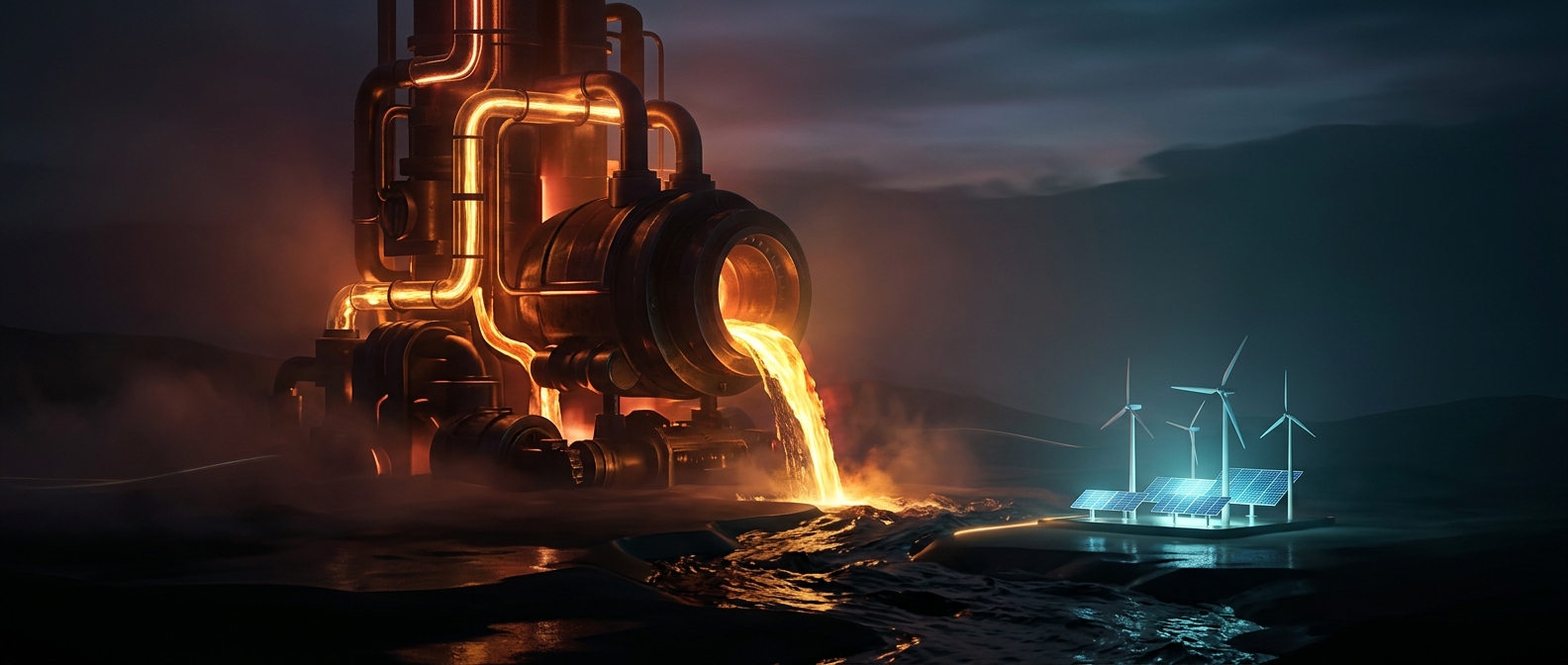
Clean energy technologies often had to compete against established systems built around fossil fuels: mines and wells, pipelines, power plants, and fuel-delivery networks. Those systems had years of investment behind them. New technologies, by contrast, still needed equipment, manufacturing capacity, and connections to the electric grid. Their early costs could therefore look high beside fossil fuels whose industries already had infrastructure and policy support.
The result was a self-reinforcing advantage. Support helped established fuels remain cheaper and more widely available; their scale and existing networks then strengthened their position in the market. Clean energy faced a tougher test: it was often judged by its current price, rather than by what broader deployment might do to its costs.
The price comparison was not neutral: it reflected choices about which industries received public help and which costs were counted. That could make the incumbent energy system seem like the natural low-cost option, even when policy had helped make it so.