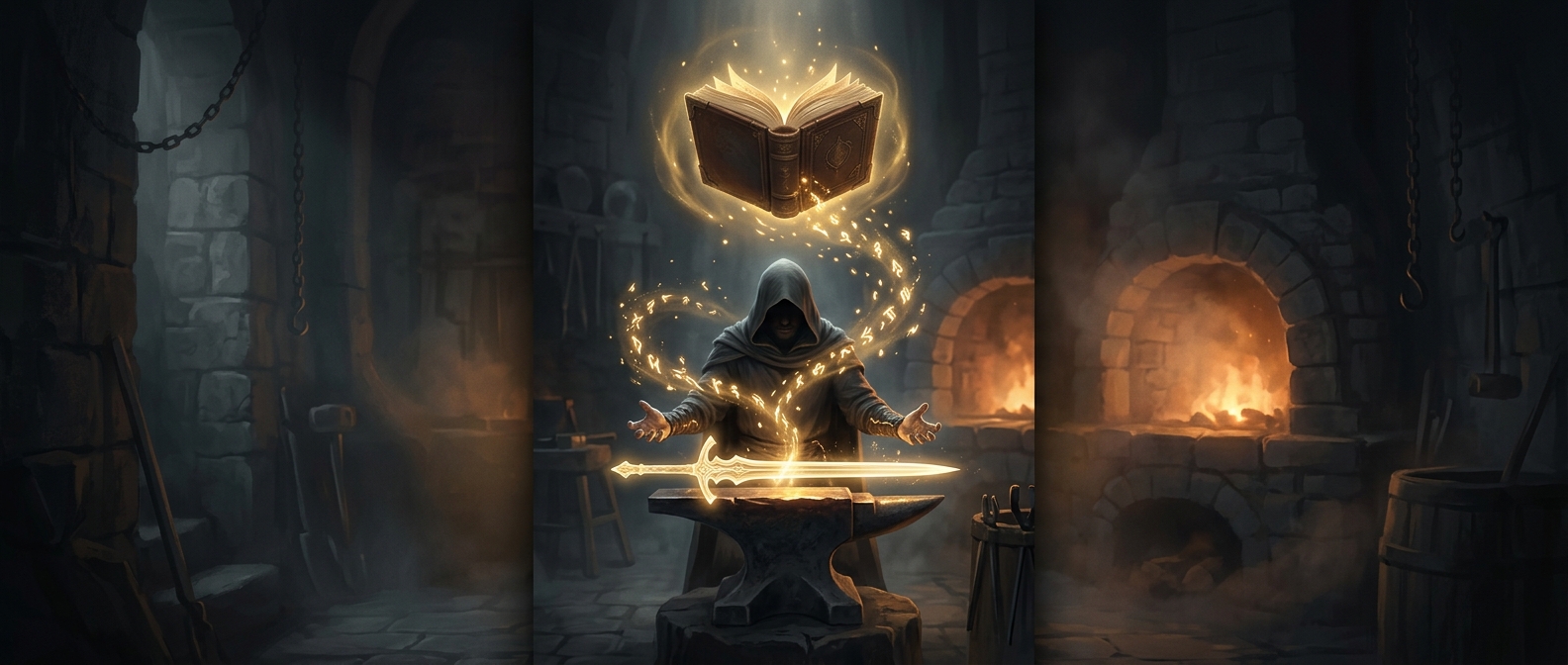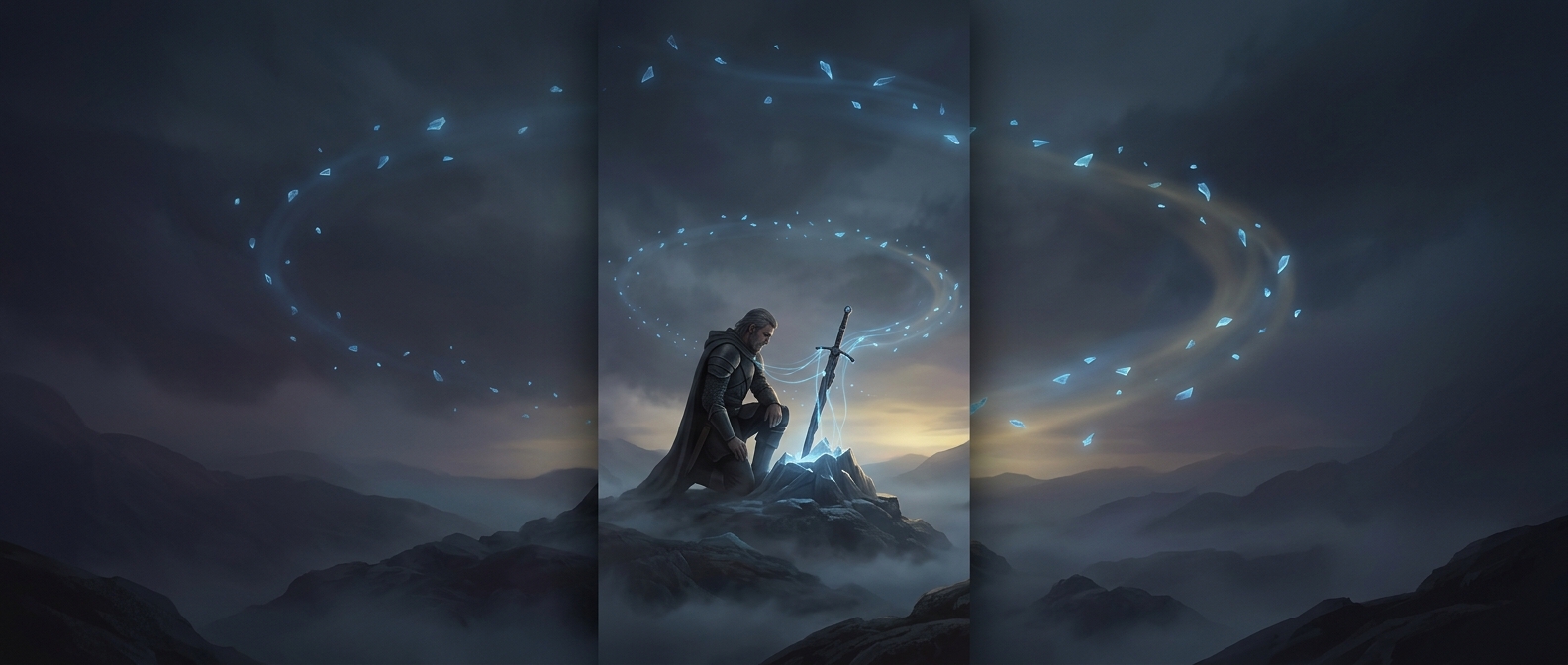
A Weapon Built One Fragment at a Time
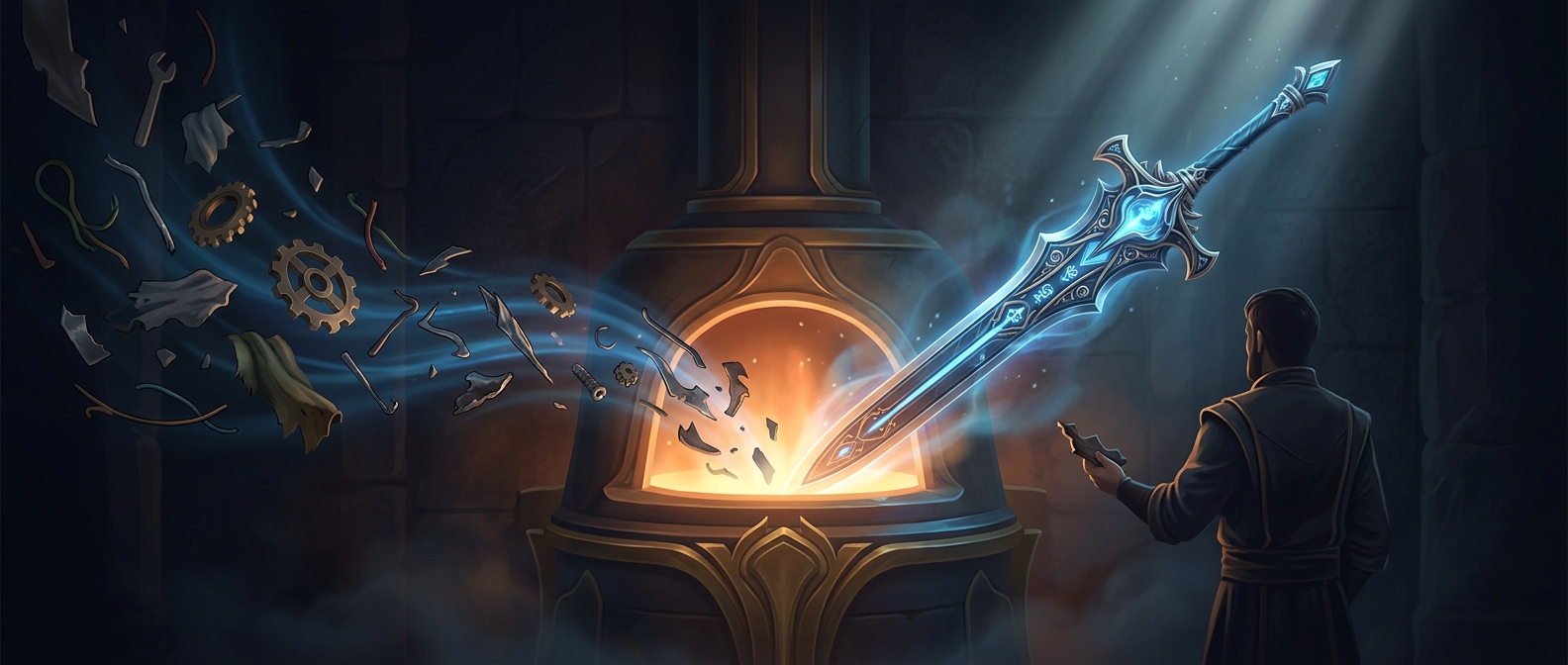
A single powerful reward can make a quest feel like a hurdle: defeat the guardian, open the chest, claim the prize. Requiring 99 shards changes the shape of the task. The weapon becomes a project spread across the continent, with each fragment marking another piece of progress rather than one decisive victory.
That structure also makes exploration part of the reward. A shard found far from the main route gives a detour lasting value; a shard discovered near a familiar area can make returning there worthwhile. The glowing pieces are visible signs that the search is still incomplete, turning a distant goal into many small, countable steps.
The Cost of Completion
The number sets a demanding expectation: collecting every fragment is likely to take sustained attention, not a quick side trip. That can make the finished weapon feel earned through breadth of exploration, while also asking players to trade time spent searching for time spent advancing other goals.
The key design tension is between discovery and repetition. When finding a shard feels like uncovering something new, the long count encourages curiosity. When the search becomes routine, the same count can feel like a checklist. Either way, the weapon’s power is only part of its significance: the route to it turns the whole continent into part of the challenge.