The danger comes from the launcher’s rear
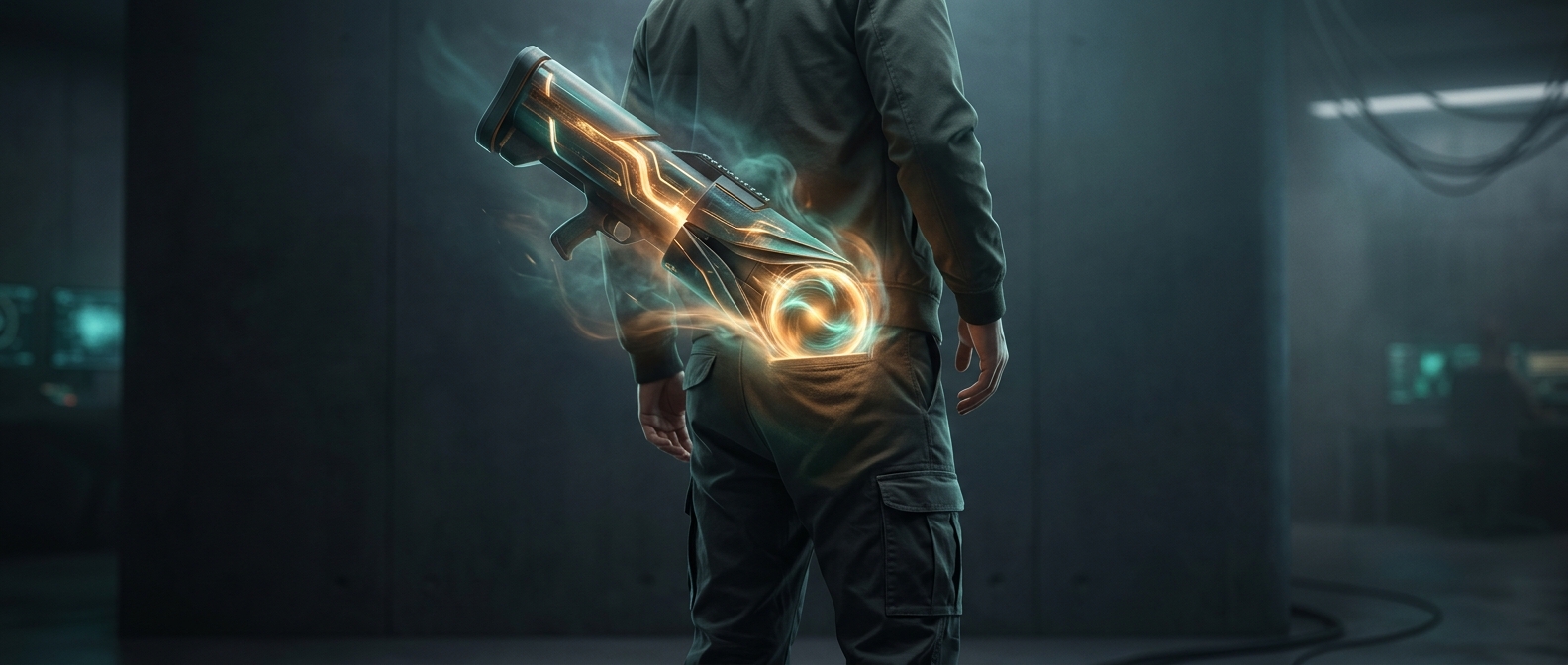
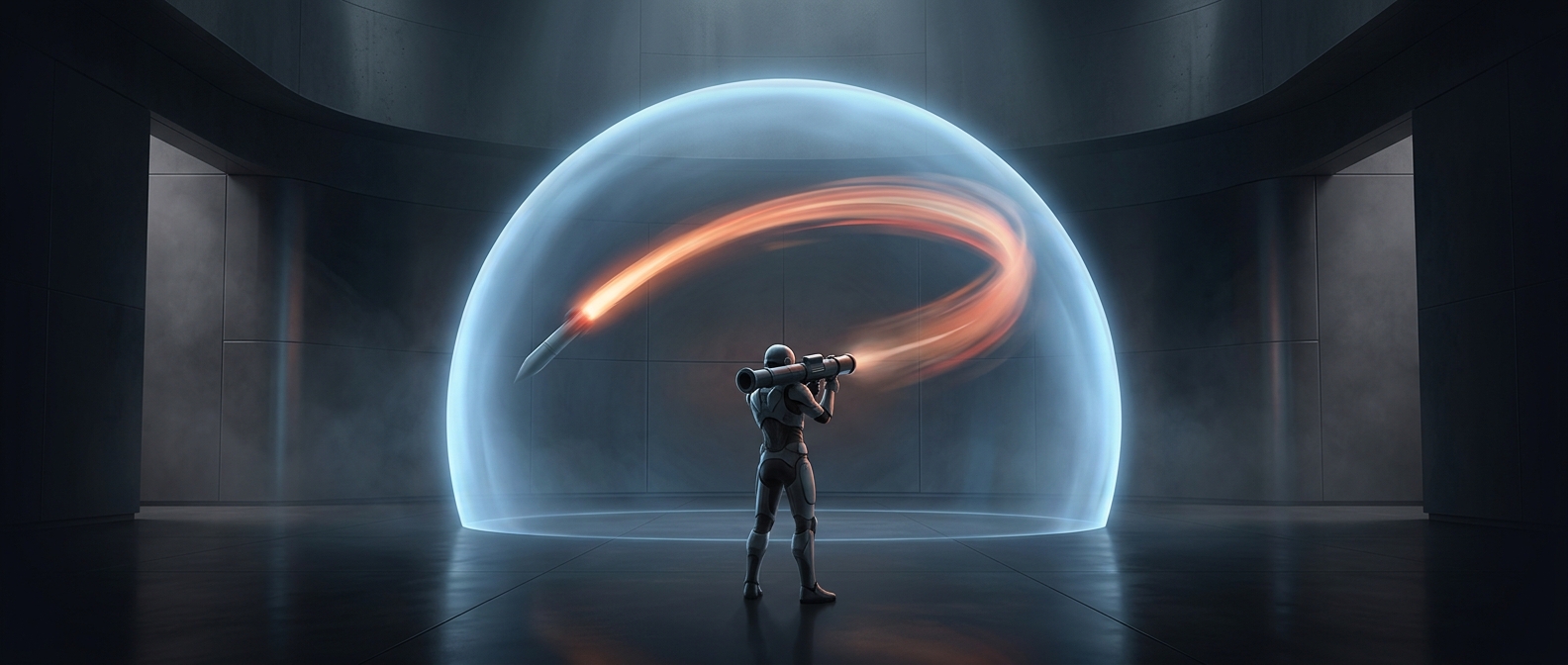
A rocket launcher does not simply send a projectile forward. As it fires, expanding gases push the rocket out and rush backward from the weapon’s rear. That rearward blast—called backblast—can be hot, forceful, and hazardous to anyone or anything nearby.
Outside, the gases have room to spread. In a concrete hallway, they hit nearby walls and the floor, then rebound through the same cramped space. The confined area can intensify the pressure and carry heat, noise, and loose debris back toward the person firing. A wall behind the shooter is not a shield from the launcher’s own blast.
Why games often make it look easy
Games commonly let characters fire rocket launchers in corridors because the weapon’s forward impact is the important part of the scene: the player sees an explosion at the target, while the backward blast would complicate movement and put the shooter at risk. Ignoring that consequence keeps combat legible and lets the weapon work in more settings.
Real weapons are not all built alike. Some systems are specifically designed to reduce the danger of firing in confined spaces, but that does not make an ordinary launcher safe to fire in a concrete passage. The key design question is what happens to the gases behind the projectile—and whether the surrounding space can safely accommodate them.
That is why a narrow hallway can turn a familiar video-game shot into a potentially lethal real-world event: the blast does not disappear after the rocket leaves the tube; indoors, it has nowhere to go.