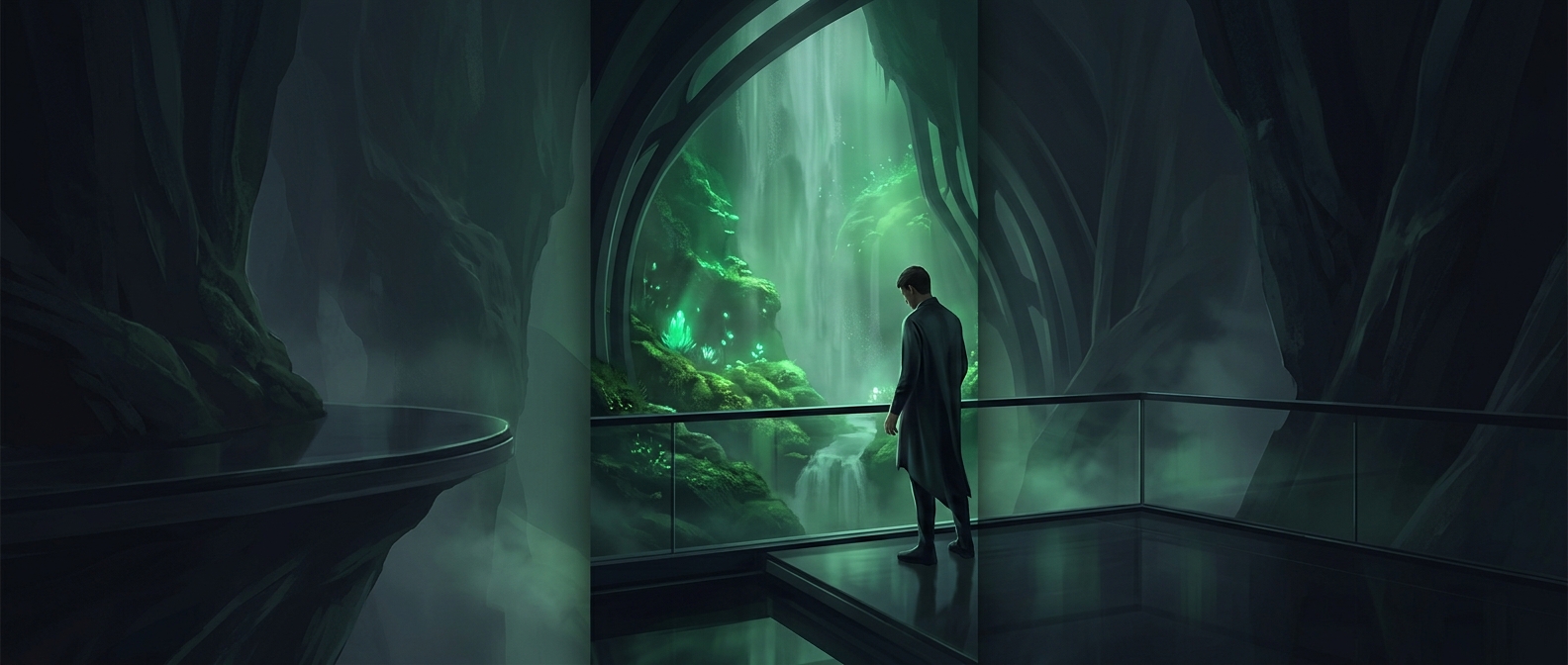
How a waterfall charges the air
When fast-moving water hits rocks or a pool, it shatters into tiny droplets. That breakup can separate electrical charges: some droplets carry a slight negative charge, while other particles or surfaces take the opposite charge. The effect is sometimes called the Lenard effect. It is strongest close to turbulent water, where droplets are being made and scattered.
These charged particles are not a scent or a special ingredient in the air. They are microscopic, and their presence does not guarantee a noticeable effect. Still, they offer one possible explanation for why standing near a waterfall can feel different from simply looking at one.
A possible lift, not a guaranteed one
Researchers have explored whether negatively charged air particles can influence mood, but the proposed bodily pathways are not settled, and findings do not establish that waterfall air reliably improves anyone’s mood. If there is an effect, it is likely subtle and varies from person to person.
The setting itself also delivers several sensations at once: cool spray on the skin, loud rushing water, and a broad view that draws attention away from ordinary tasks. Those experiences can shape how refreshing a visit feels, whether or not charged particles contribute. So the next time a waterfall seems to clear your head, the air may be part of the story—but it is one small part of a much richer sensory scene.