When a Performance Depends on Physical Discomfort
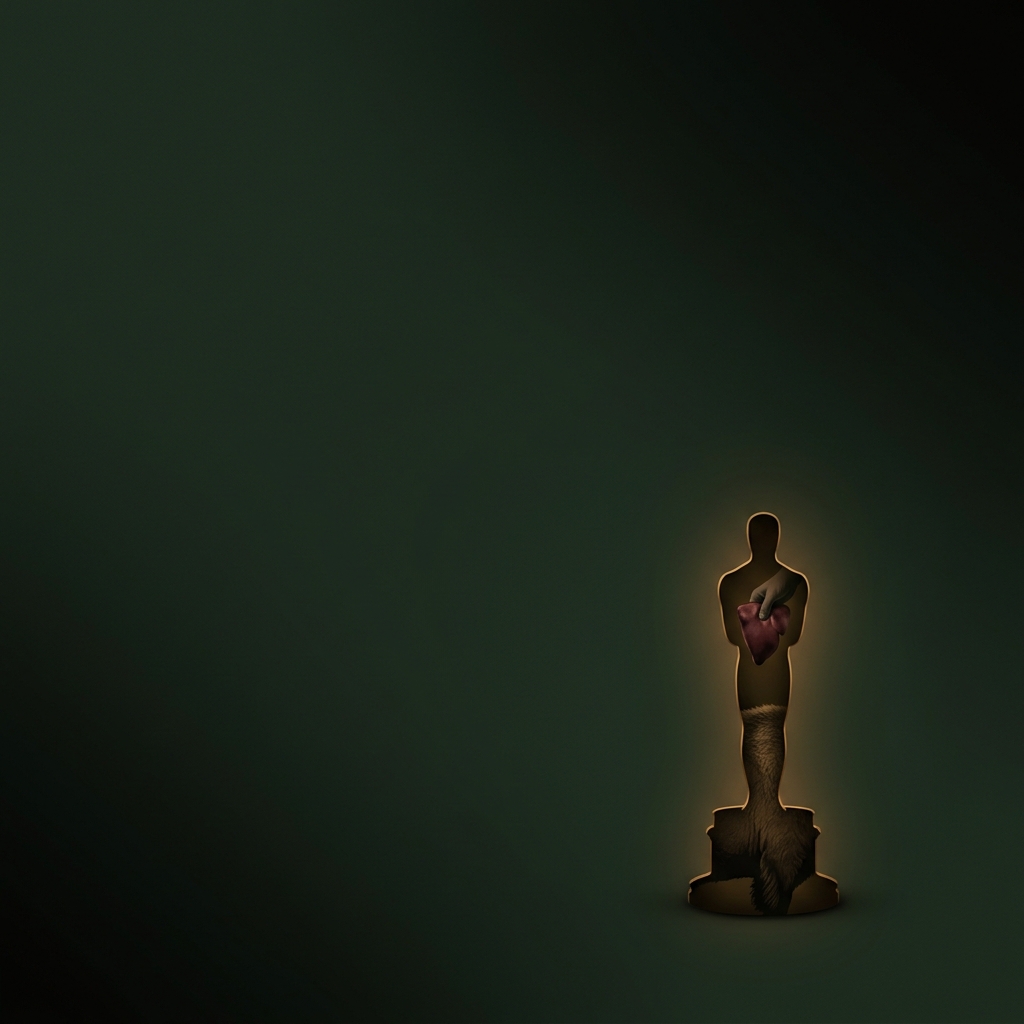
In The Revenant, Leonardo DiCaprio’s ordeal was not created entirely by makeup and camera tricks. He ate real raw liver for a scene, and the production put him in cold conditions severe enough to risk hypothermia—the dangerous drop in the body’s core temperature. Those choices made the character’s struggle feel less like a simulation: discomfort could shape his breathing, movement, and reactions in ways an actor might find harder to reproduce on a comfortable set.
What Realism Costs on Set
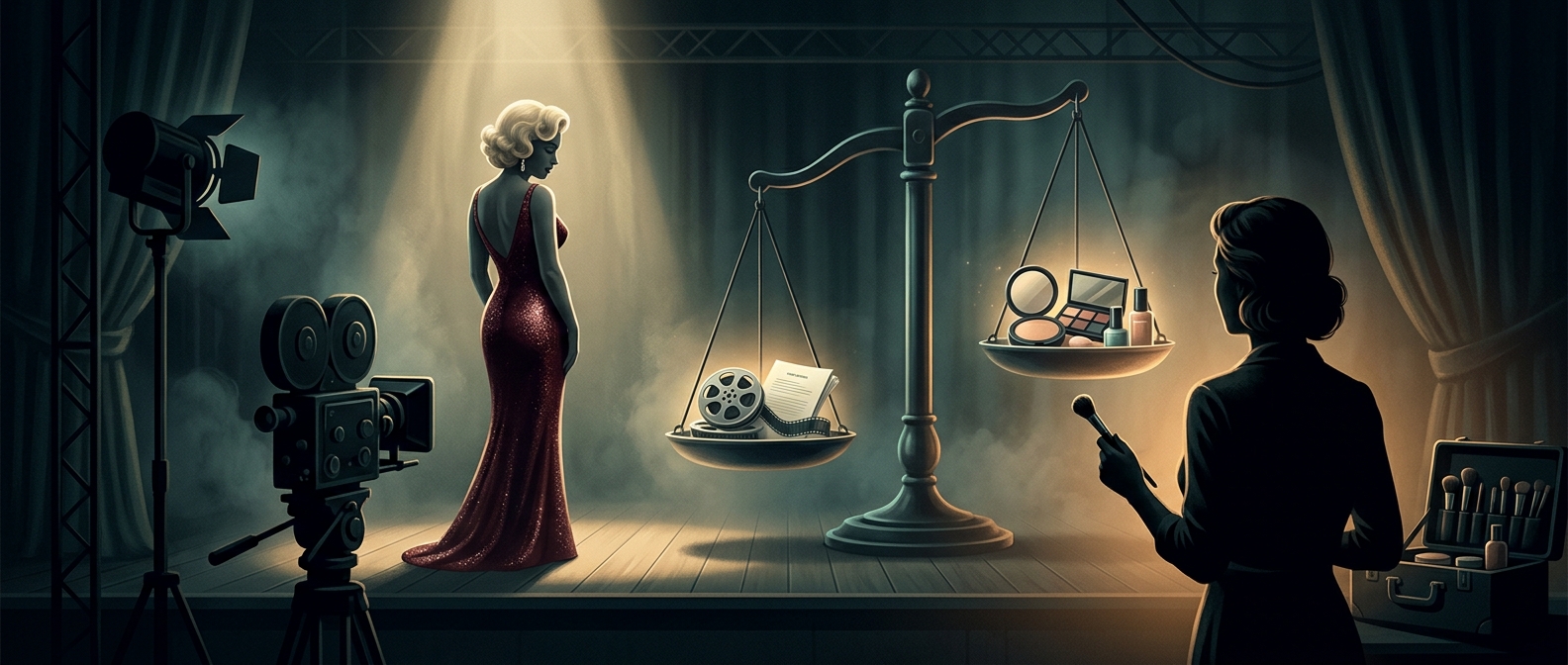
That approach has a tradeoff. A physically demanding scene may give a performance immediacy, but it also exposes the actor to real strain. The camera can capture discomfort; it cannot make that discomfort safe. Cold exposure becomes hazardous when the body loses heat faster than it can replace it, so a production must weigh the desired effect against the need to protect the people making it.
The raw-liver moment shows the same tension in miniature. A convincing survival scene can depend on an action that is unpleasant even when it lasts only briefly. The memorable detail is that the discomfort viewers see was not all acting—but it was still a filmmaking choice, made in service of making a fictional ordeal feel tangible.