When the Phone Became Part of the Threat
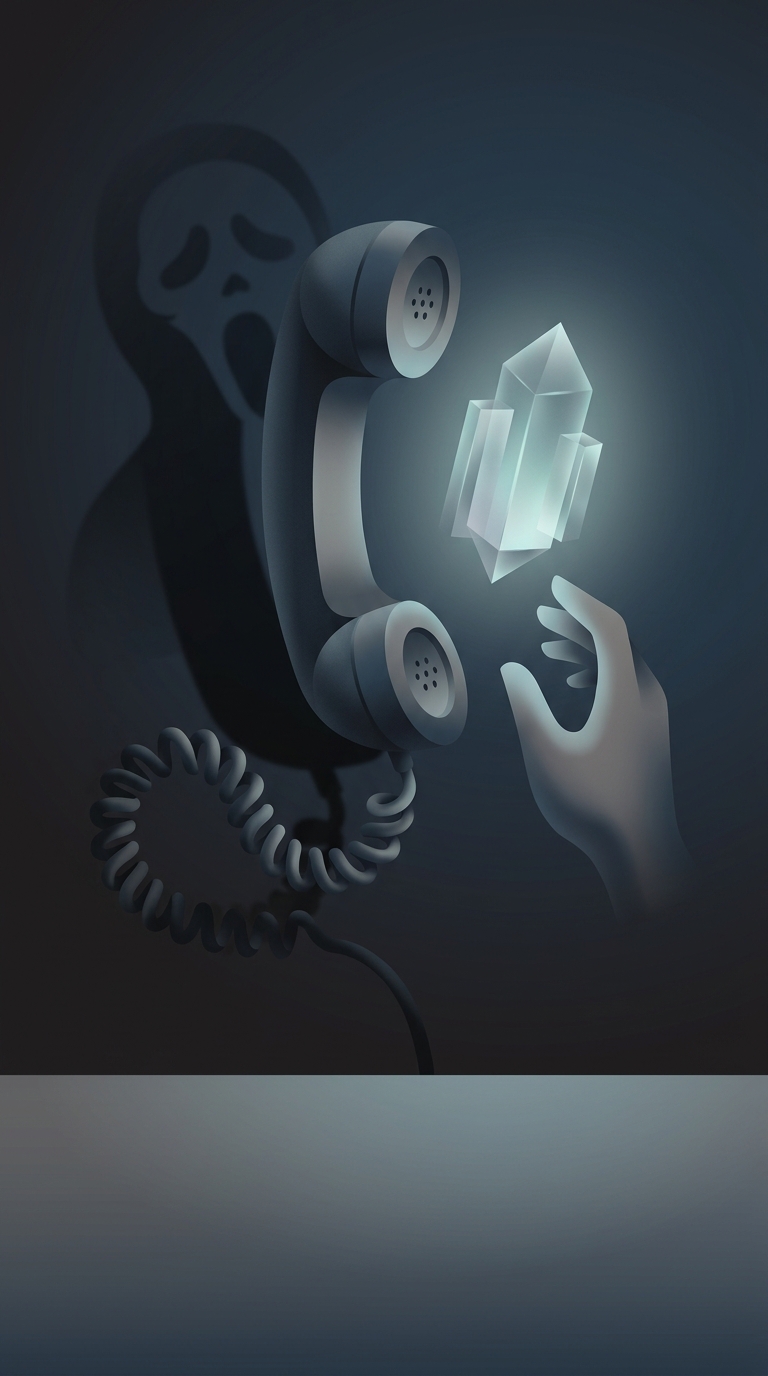
In Scream, a ringing landline is not just a way to reach someone: it is how the masked killer enters a victim’s home from a distance. The caller can speak without being seen, while the person who answers has to decide whether to stay on the line. That simple imbalance made an everyday household object feel newly unsafe.
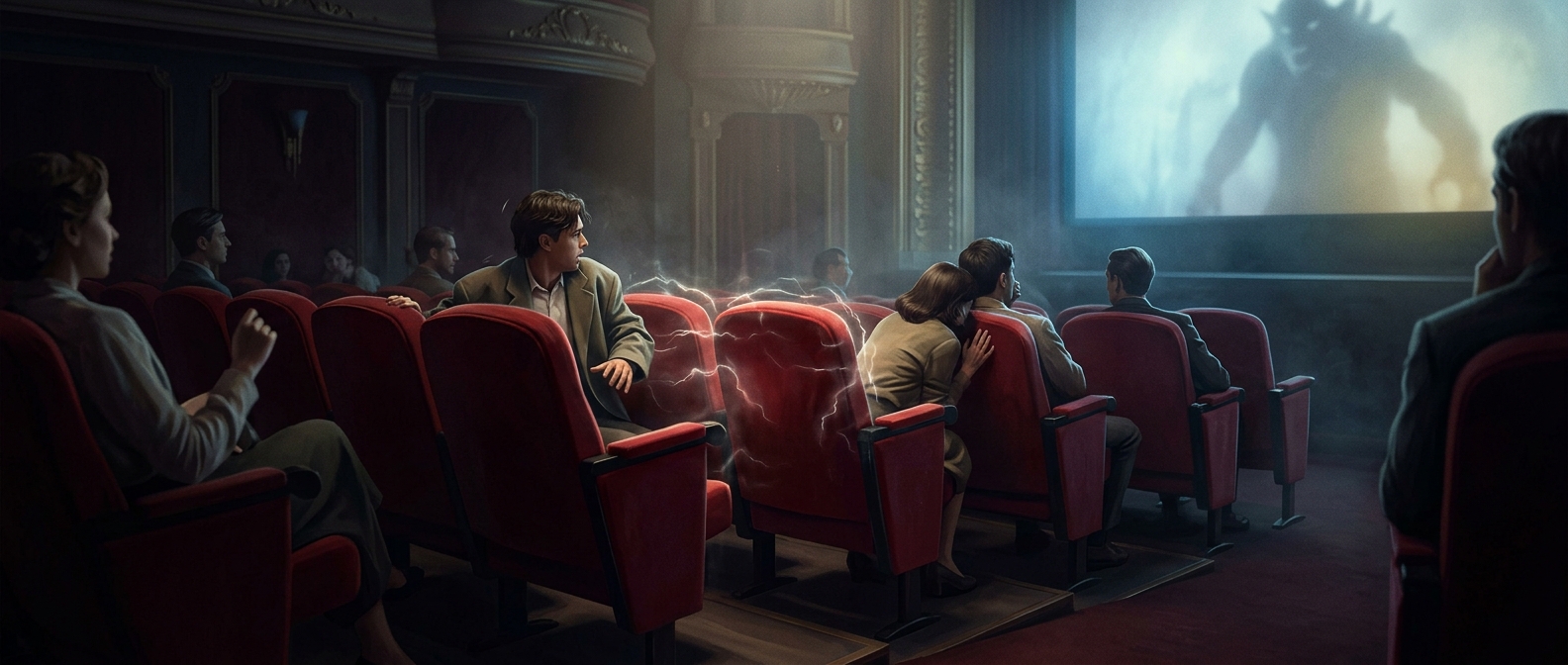
The film arrived at a moment when many American homes still relied on landlines and Caller ID was a relatively recent feature. A phone could announce a call without revealing who was on the other end; Caller ID offered a way to see the number before picking up. After the movie’s release, sales of Caller ID devices in the United States tripled, linking the film’s phone-based menace to a sudden consumer response.
A Small Device Promised More Control
Caller ID did not stop a caller from making threats, and the number displayed could not always settle whether a call was safe. But it changed the decision point: instead of answering first and learning who was there, people could screen a call before committing to the conversation. In a story built around the danger of answering, that modest change had an especially vivid appeal.
The episode shows how entertainment can make an existing technology feel urgent. Scream did not create Caller ID; it gave viewers a memorable reason to want it. Before phones became personal devices carried everywhere, the landline’s fixed place in the home made the ring itself hard to ignore—and suddenly worth checking before anyone picked up.