A polished room is not a barrier to bed bugs
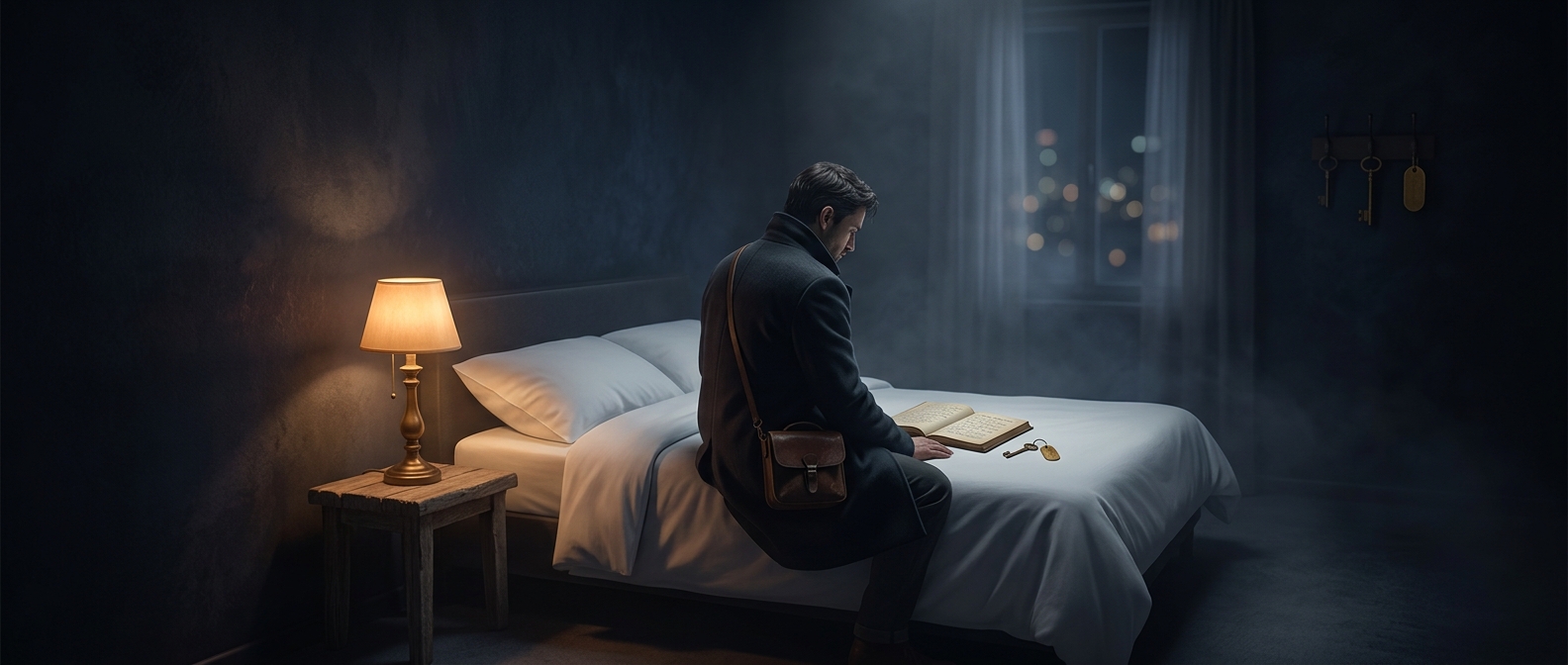
Bed bugs do not depend on dirt, food scraps, or poor housekeeping. They feed on blood and can hide in tiny crevices near places where people sleep. A hotel room’s price and appearance therefore offer little protection: a bug can arrive in luggage or on belongings, then settle into a mattress seam, bed frame, or headboard joint.
How one arrival can become an infestation
Bed bugs are skilled at staying out of sight. During the day, they tuck into narrow gaps; at night, they emerge to feed. A pregnant female that reaches a room can lay eggs in a protected hiding place. If the bugs and eggs go unnoticed, they can multiply and spread to nearby hiding spots. Wooden headboards are not uniquely attractive, but their joints and cracks can provide shelter.
The route is travel, not a judgment about a hotel’s cleanliness. Guests can carry bugs between homes, hotels, and other places in bags or clothing. A busy property may have many opportunities for an accidental introduction, and even careful staff may not spot every insect concealed in a crevice.
Why hotel checks can miss them
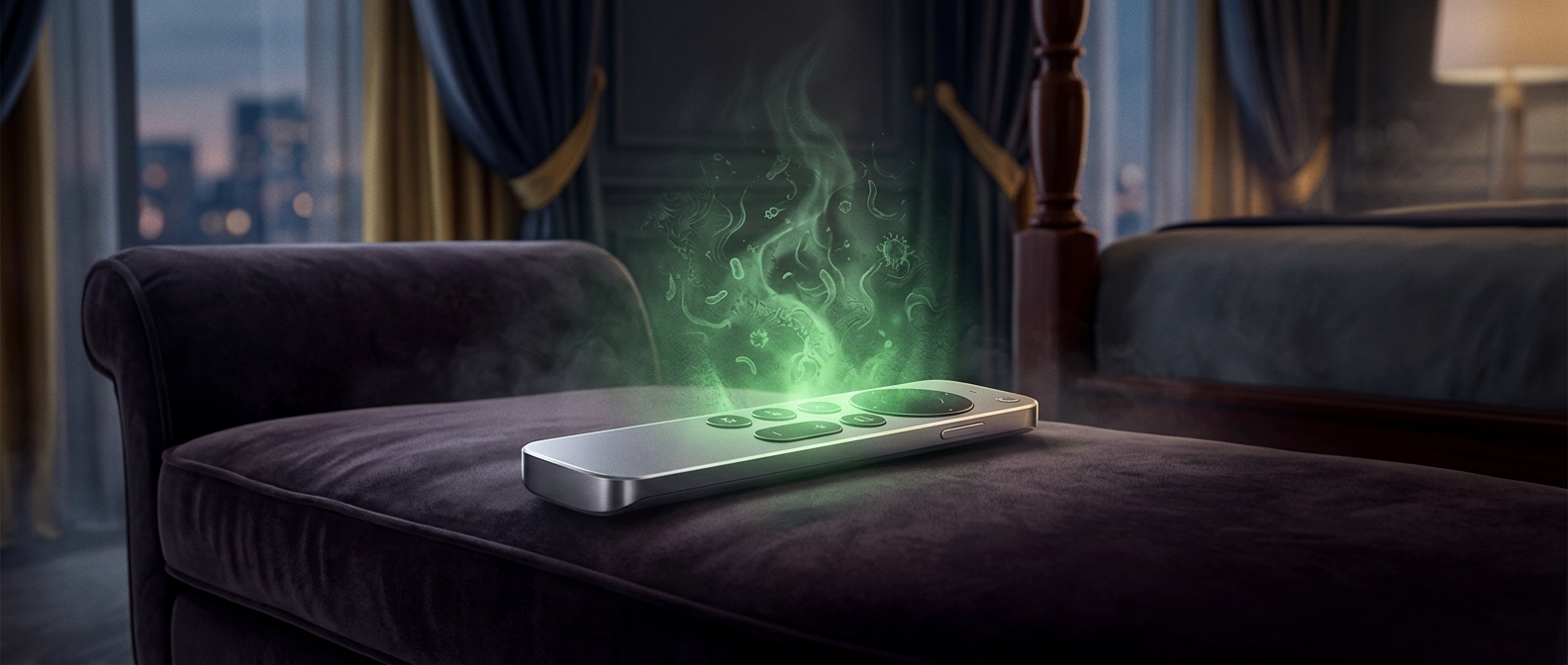
A quick glance at fresh sheets is not the same as inspecting the places where bed bugs hide. Detection may require checking seams, folds, and furniture joints, especially around the bed. Luxury can change the room’s furnishings, but it cannot prevent a hitchhiking insect from arriving. That is why a problem can begin behind an attractive headboard before there is any obvious sign on the bed.