The Guardian at the Edge of the Unknown
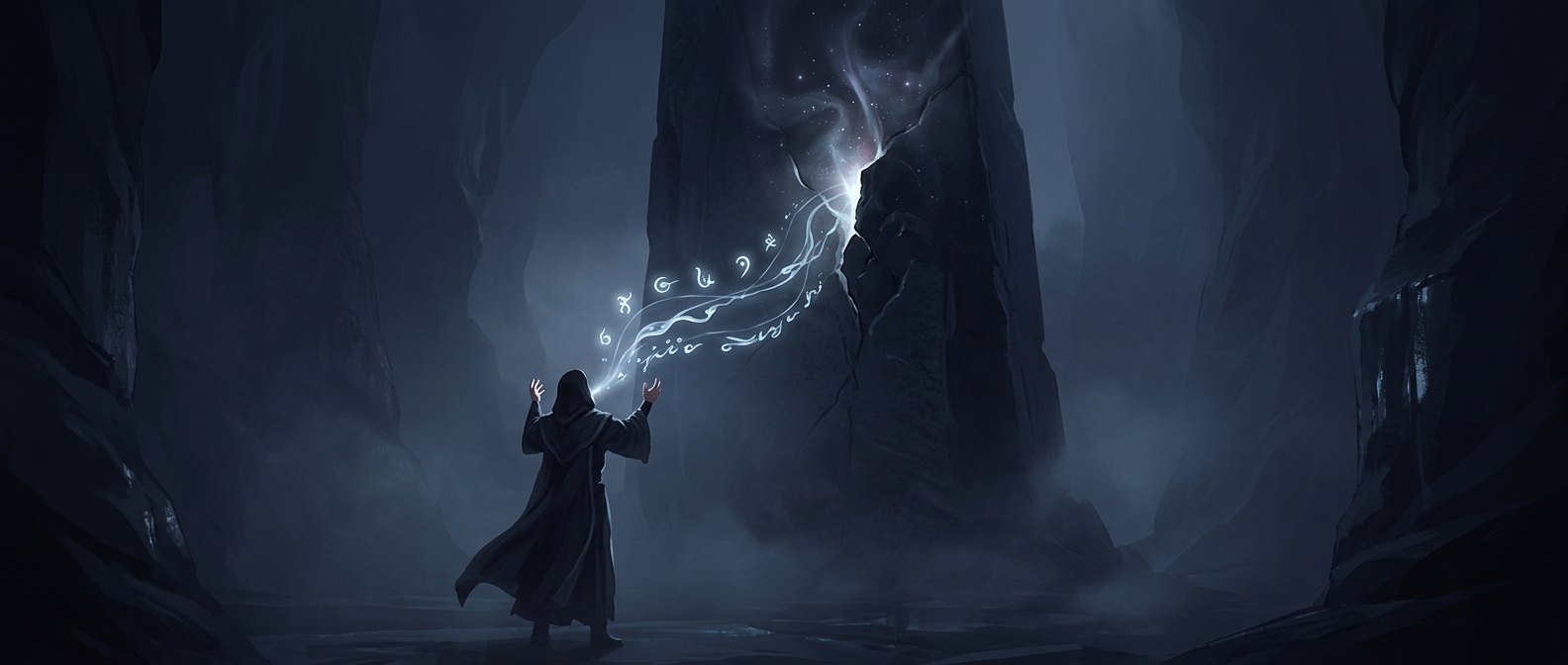
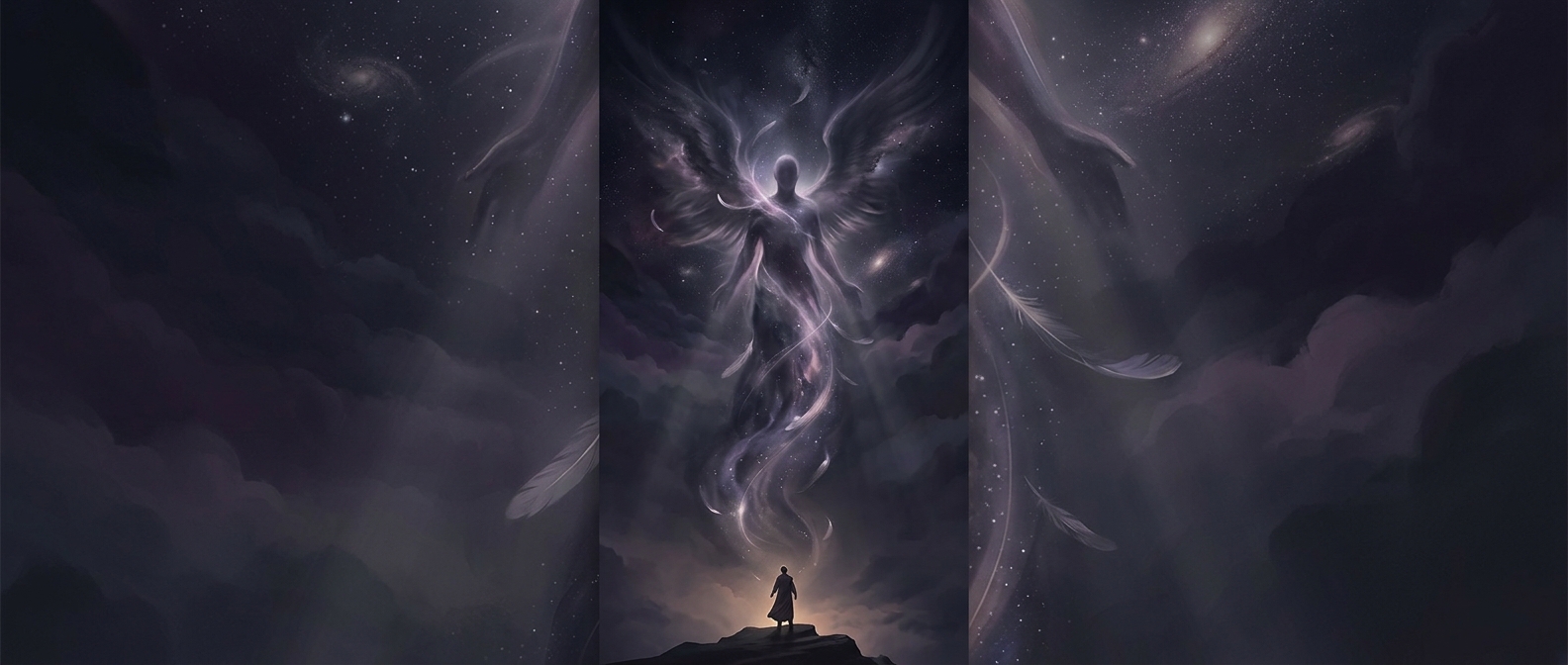
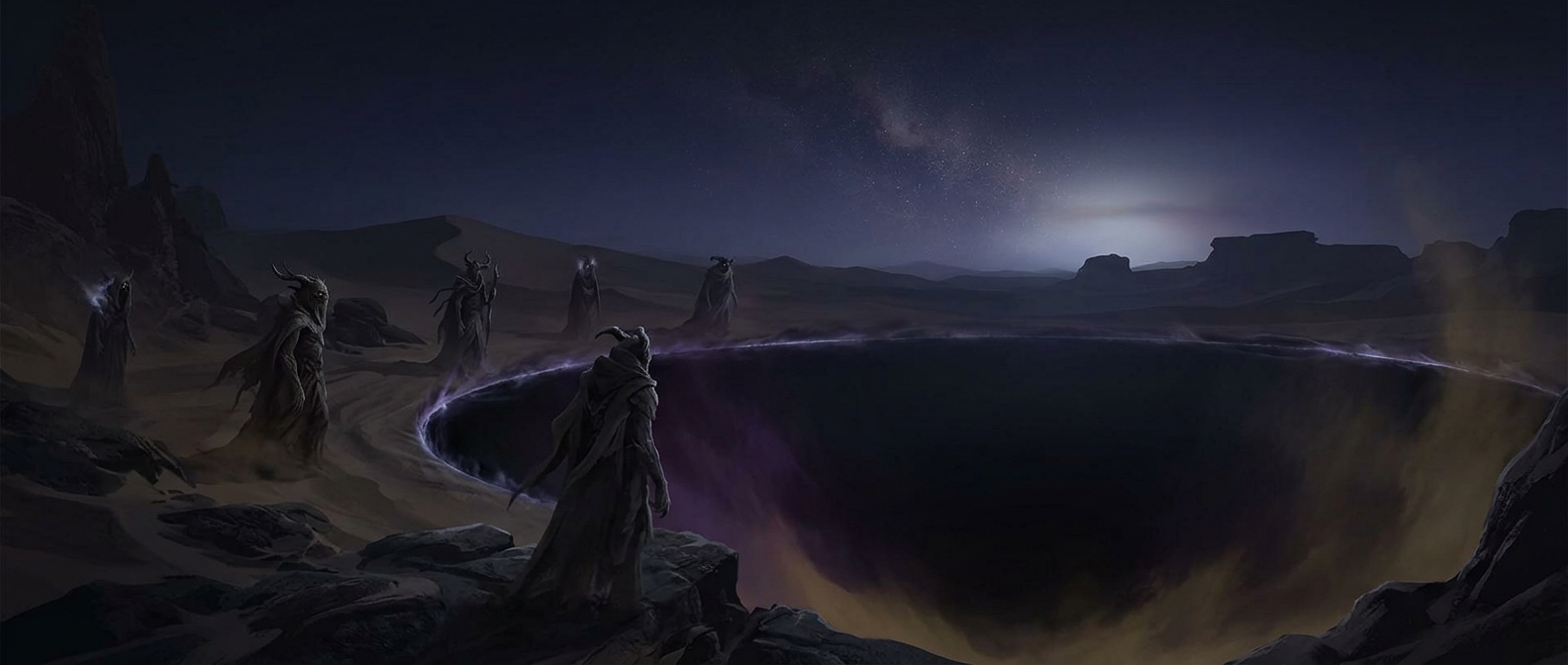
In this mystical account, the desert is more than a harsh landscape: it becomes a place where familiar bearings fall away. The “invisible abyss” marks a threshold whose danger is not something the seeker can inspect or measure. It represents uncertainty itself—the moment when the next step cannot be justified by ordinary signs.
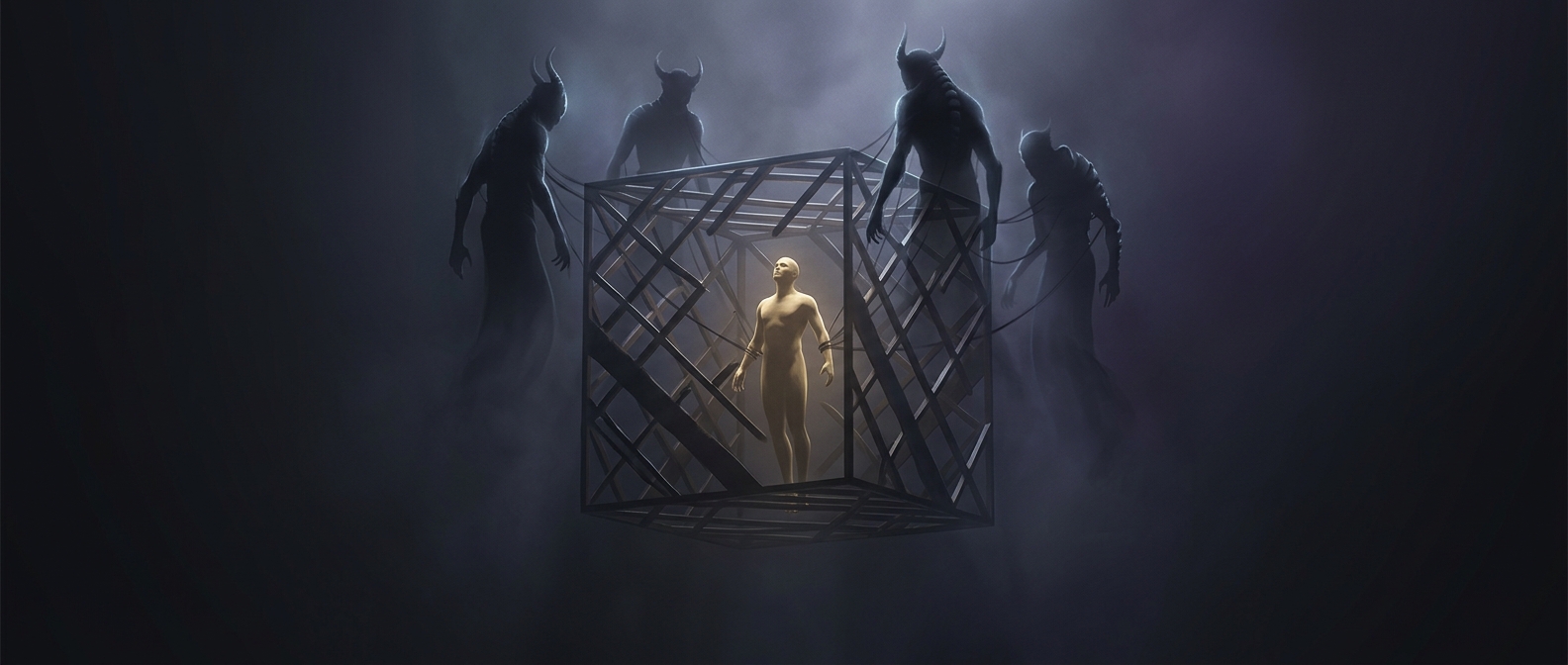
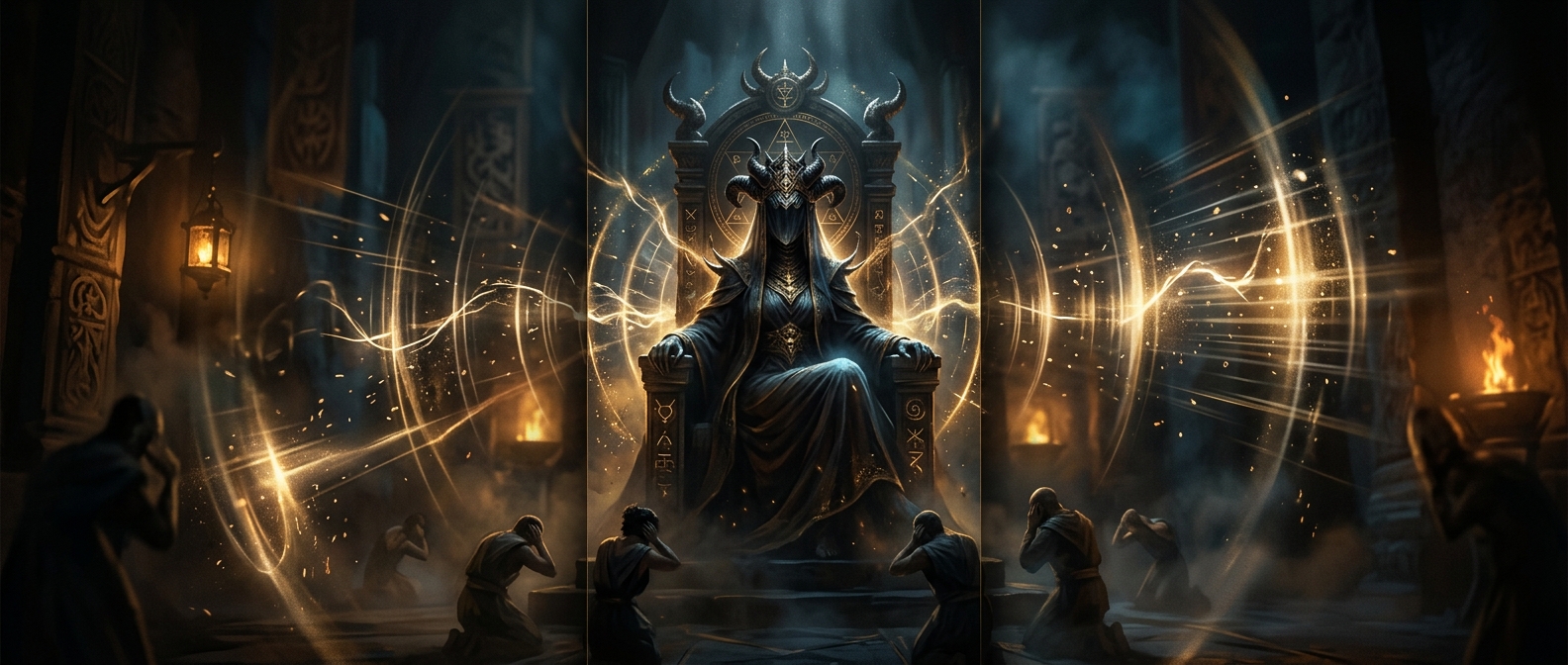
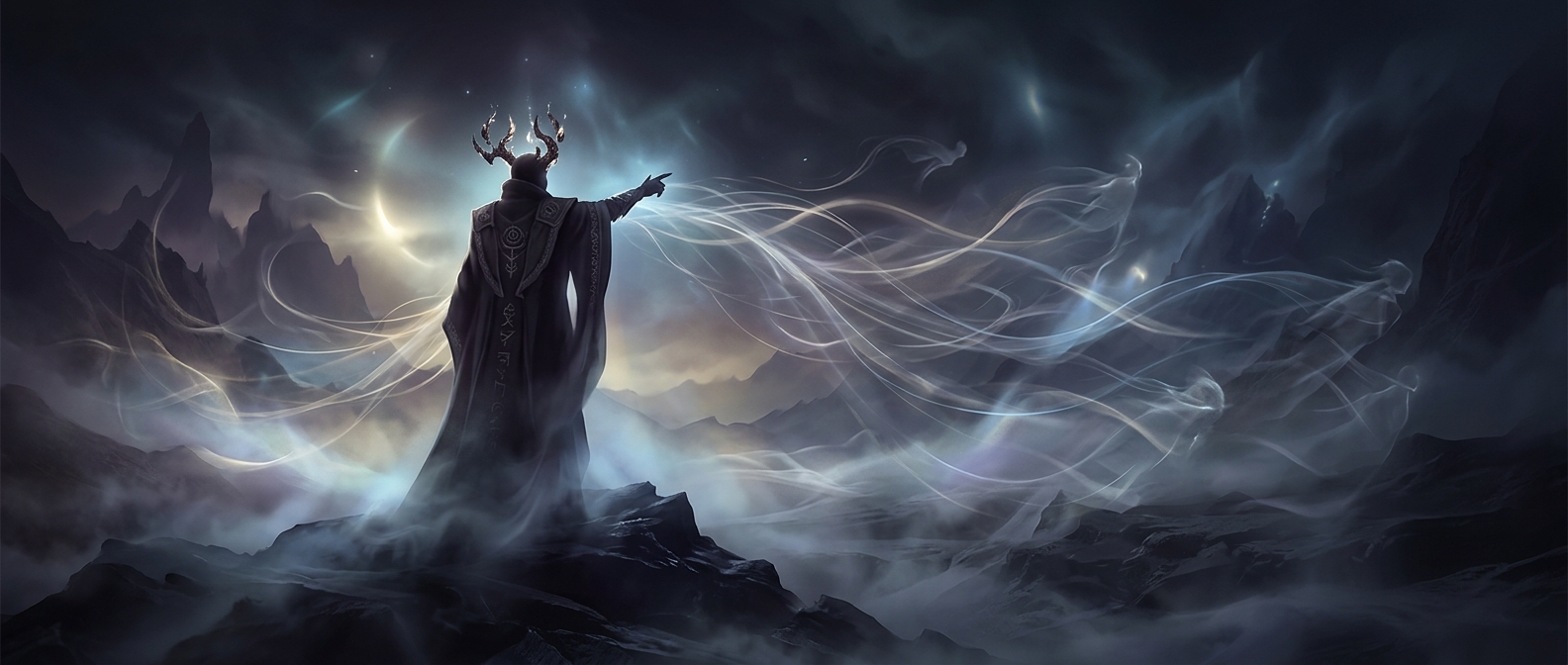
The desert demon gives that uncertainty a face. Rather than simply blocking the path, the guardian embodies confusion, ego, and chaos: forces that can distort a seeker’s judgment just when clear judgment matters most. The image turns an inward struggle into a dramatic encounter. A traveler must confront the possibility that fear, pride, or disorientation—not an external enemy—is shaping what they see.
A Trial of Perception
The crossing, then, is not just about reaching the other side. It tests whether the seeker can proceed without mistaking impulse for insight or certainty for truth. The guardian’s challenge makes the invisible peril legible: the abyss may be unseen, but the reactions it provokes are recognizable.
That is the image’s lasting tension. The seeker cannot defeat confusion by pretending the void is safe; they must face the uncertainty without letting it dictate every choice. The demon stands at the threshold as a warning that the most consequential obstacle may be the one that changes how a person understands the path ahead.