A Stage Name Built for a Culture War
Marilyn Manson’s public identity joined two names: Marilyn, drawn from movie star Marilyn Monroe, and Manson, from convicted murderer Charles Manson. The contrast was deliberate. One half evoked glamour; the other, menace. Together they turned the performer’s name into a provocation before audiences even heard the music.
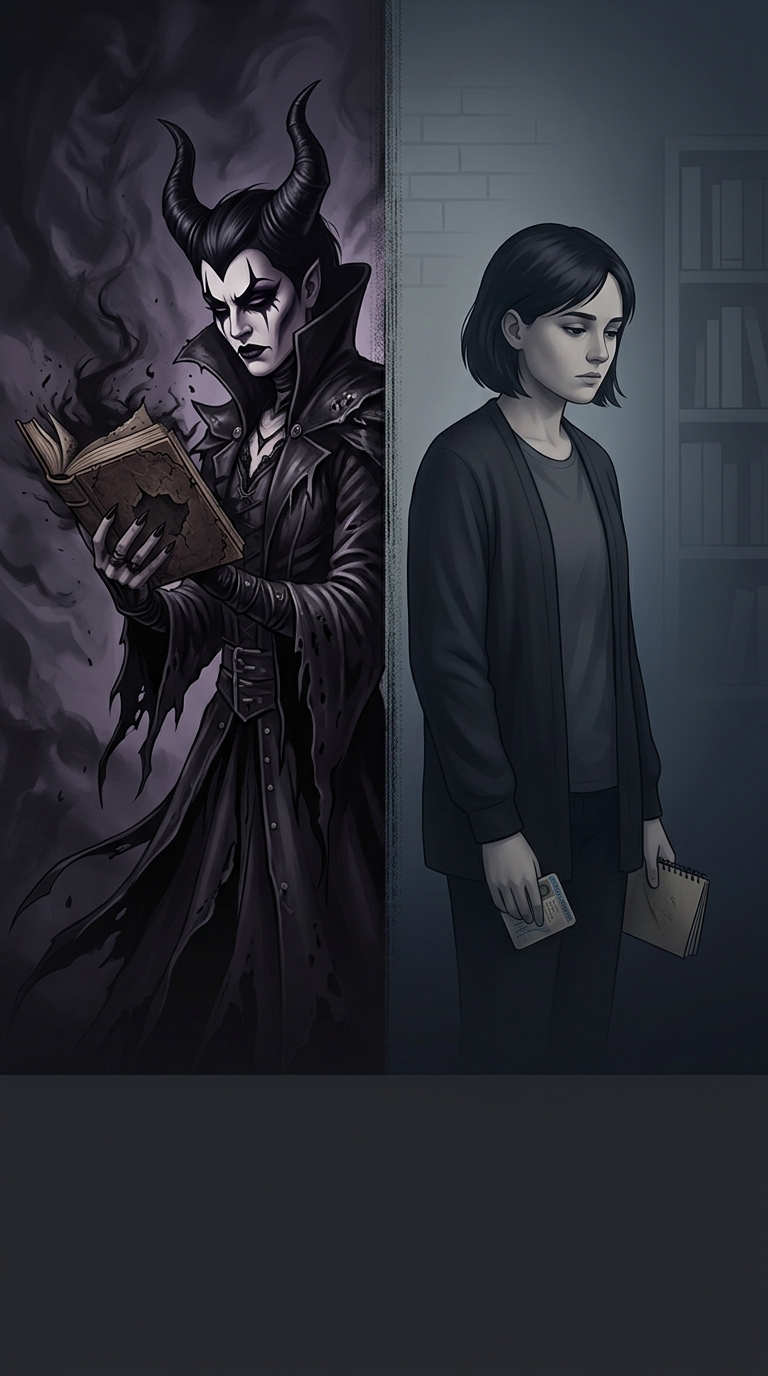
That persona belonged to Brian Warner, who studied journalism in Ohio before building a career in music. The shift from student to shock-rock figure was more than a costume change: it made the artist himself part of the work. Makeup, theatrical behavior, and dark industrial-goth styling gave reporters and audiences an instantly recognizable image to debate.
Why the Image Became a Public Fight
In the 1990s, Manson’s performances collided with a broader political and cultural argument over youth, music, and morality. Conservative politicians and parent groups sought to prevent some appearances, treating the act as a threat rather than simply a theatrical performance. Their opposition helped make the concerts—and the persona surrounding them—news stories in their own right.
This created a feedback loop: the more the act was condemned, the more its image of forbidden danger drew attention. The public controversy did not erase the distinction between Warner and his stage character; it made that distinction harder to ignore. The name and look were designed to provoke, while the backlash helped carry the provocation beyond the stage.