How E.T.’s footsteps became squelches
A creature’s footsteps need not sound like the material its feet actually touch. In filmmaking, Foley is the craft of performing everyday sounds in a studio to match what appears on screen. A Foley artist watches the scene and makes noises in time with the action, giving viewers a tactile sense of movement that a camera cannot record on its own.
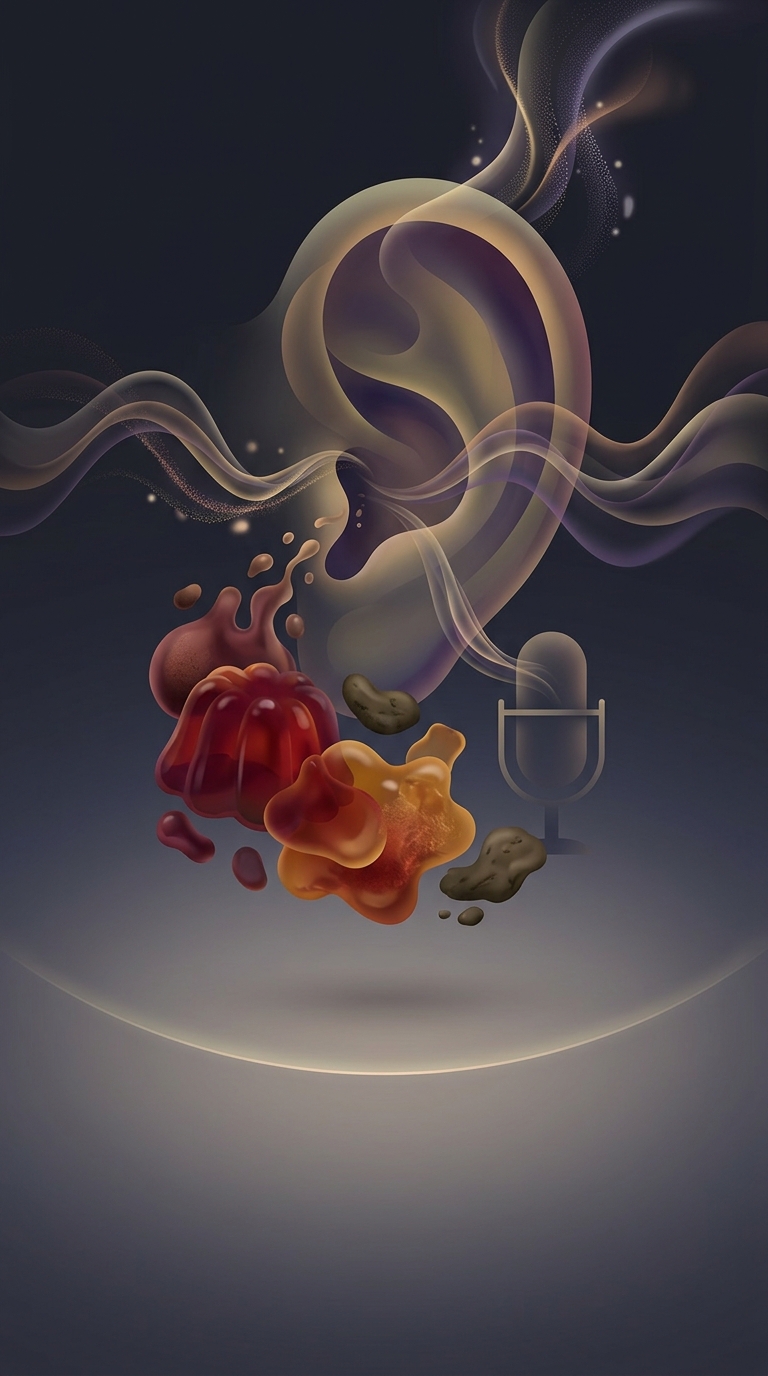
For E.T., sound designer Joan Woodward found a way to make each step feel soft, damp, and oddly alive: she worked gelatin and raw meat in front of a microphone. The materials produced a pliable, squishy noise that could suggest a small body shifting its weight. The recording session’s unpleasantness was part of the practical bargain—materials that sound convincing can be far less appealing up close.
Why the sound sells the movement
A tiny change in texture can make a fictional character seem physically present. A crisp tap would imply a hard surface; a soft squelch suggests yielding flesh or mud. Matched to the image, that sound gives the audience a clue about E.T.’s weight and the way he moves, even though the creature itself is a visual effect.
The contrast is the memorable trick: a lovable alien’s gentle steps were built from ingredients that are decidedly unlovable to handle. On screen, the audience hears not a bowl of jelly and meat, but a body settling into each footfall.