Four squares, many ways to fit
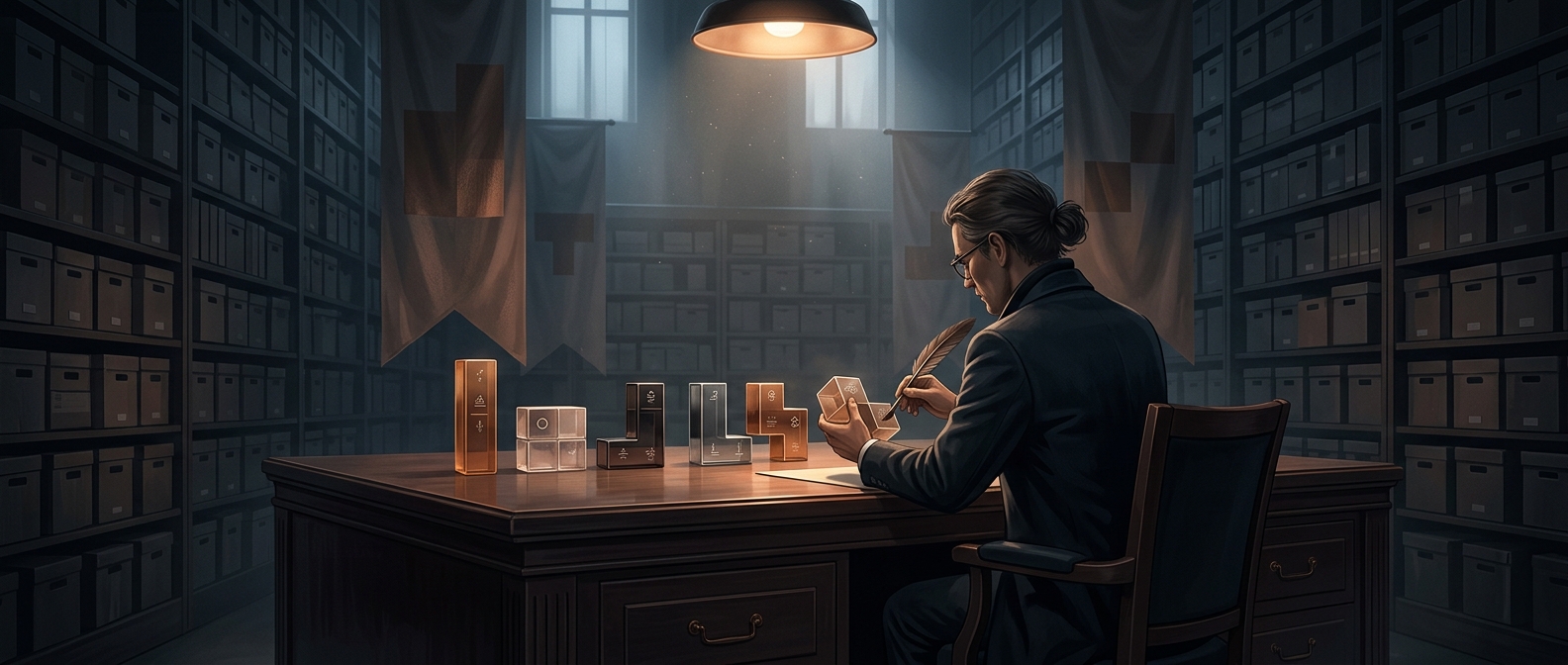
A tetromino is a shape formed by joining four equal squares edge to edge. In standard Tetris, the seven piece types are built from those same four cells; what changes is how the cells are connected. That makes every piece the same size by area, but not interchangeable in a tight space.
The board is a grid, so a piece can occupy only certain arrangements of cells. Turning it changes its orientation, but not its outline or area. A long, narrow piece can reach across a gap that a compact square-shaped piece cannot; a piece with an awkward corner can leave an empty cell beneath an overhang.
Why equal area does not mean easy placement
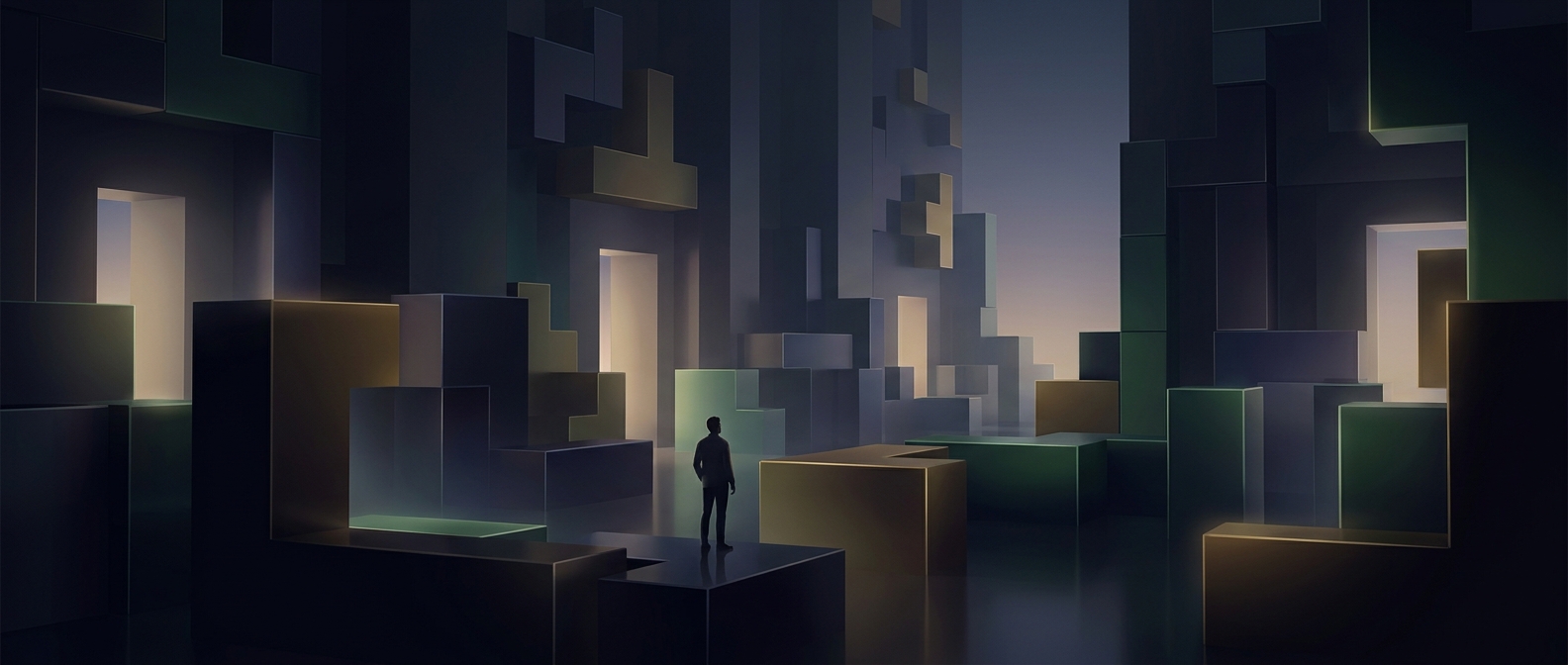
The challenge comes from how each new outline interacts with the uneven surface of the stack. A piece may fit the visible top of a pile while sealing off an empty pocket below it. That pocket cannot be filled later unless another piece can physically reach it, so a small placement decision can shape the options available several turns afterward.
Completing a horizontal row removes it from the board, creating space for future pieces. But clearing rows depends on matching their exact pattern of empty and occupied cells—not simply adding the right total number of squares. Tetris turns equal-sized pieces into a problem of geometry and timing: each shape is predictable, while the stack they must fit is constantly changing.