Why the First Marty Didn’t Fit the Movie
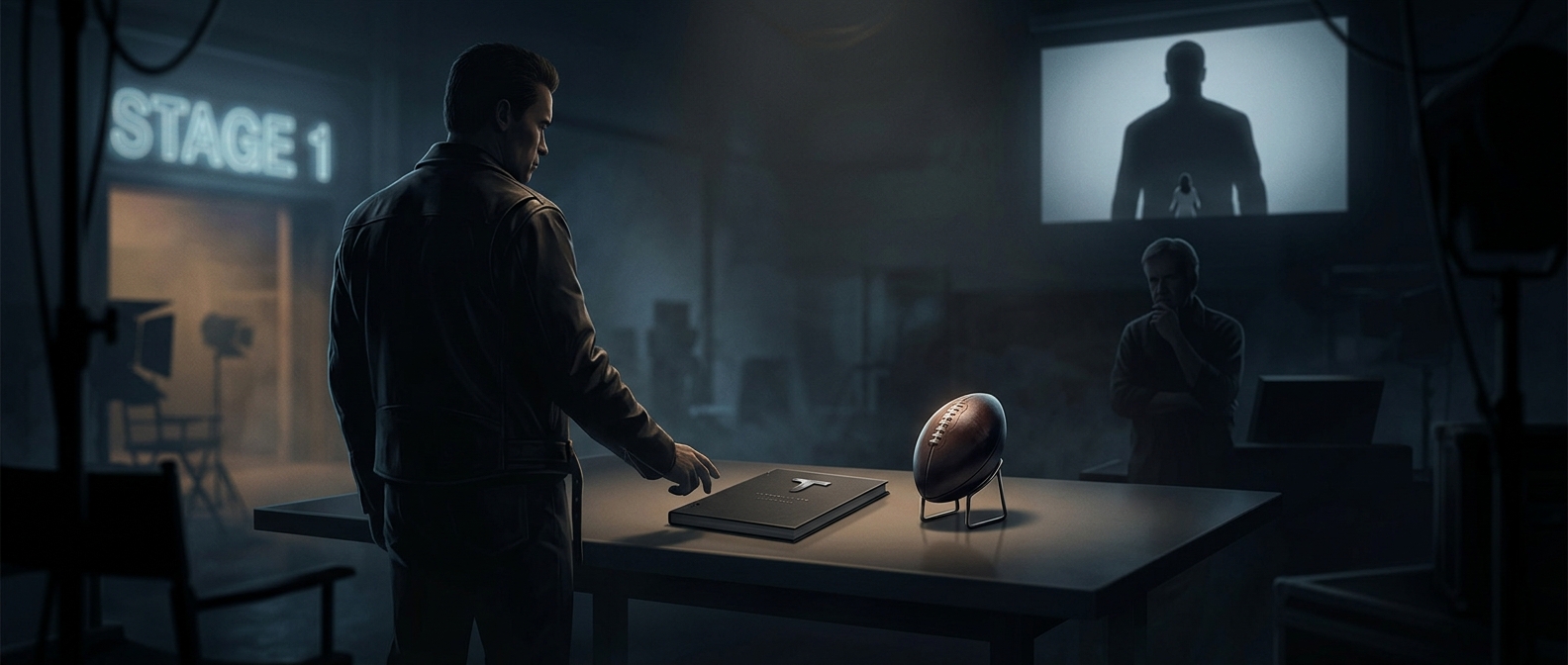
Replacing a lead actor after weeks of filming was not simply a matter of swapping faces. Marty McFly is the audience’s guide through a story that mixes danger with broad comedy: he must seem genuinely alarmed by the future, yet quick and buoyant enough to keep the jokes moving. Eric Stoltz approached the role with a serious dramatic intensity. The filmmakers concluded that the performance pulled the movie toward a heavier tone than they wanted.
That kind of mismatch can spread through every scene. A line delivered as painful drama changes how a scene partner responds; a pause that feels natural in a grim performance may stall a comic exchange. Because Marty appears throughout the story, the issue was not confined to a few scenes. The filmmakers decided the movie needed a different center of gravity, not just a few adjusted takes.
A New Lead, a Compressed Schedule
Michael J. Fox was already committed to the television series Family Ties, so taking over did not mean stepping into an open calendar. He filmed the sitcom during the day and worked on Back to the Future at night. That arrangement let the movie continue with its new lead, but left little room to treat the change as a routine recast.
Scenes already filmed with Stoltz had to be made again with Fox. Reshooting meant rebuilding the same dramatic moments with a different performer, while preserving continuity in costumes, sets, lighting, and the other actors’ reactions. The expensive part of replacing a lead is that the performance is woven into the movie’s timing and tone. In this case, the reset helped establish the lighter, more nimble Marty audiences recognize—and turned an unusually late casting change into part of the film’s production story.