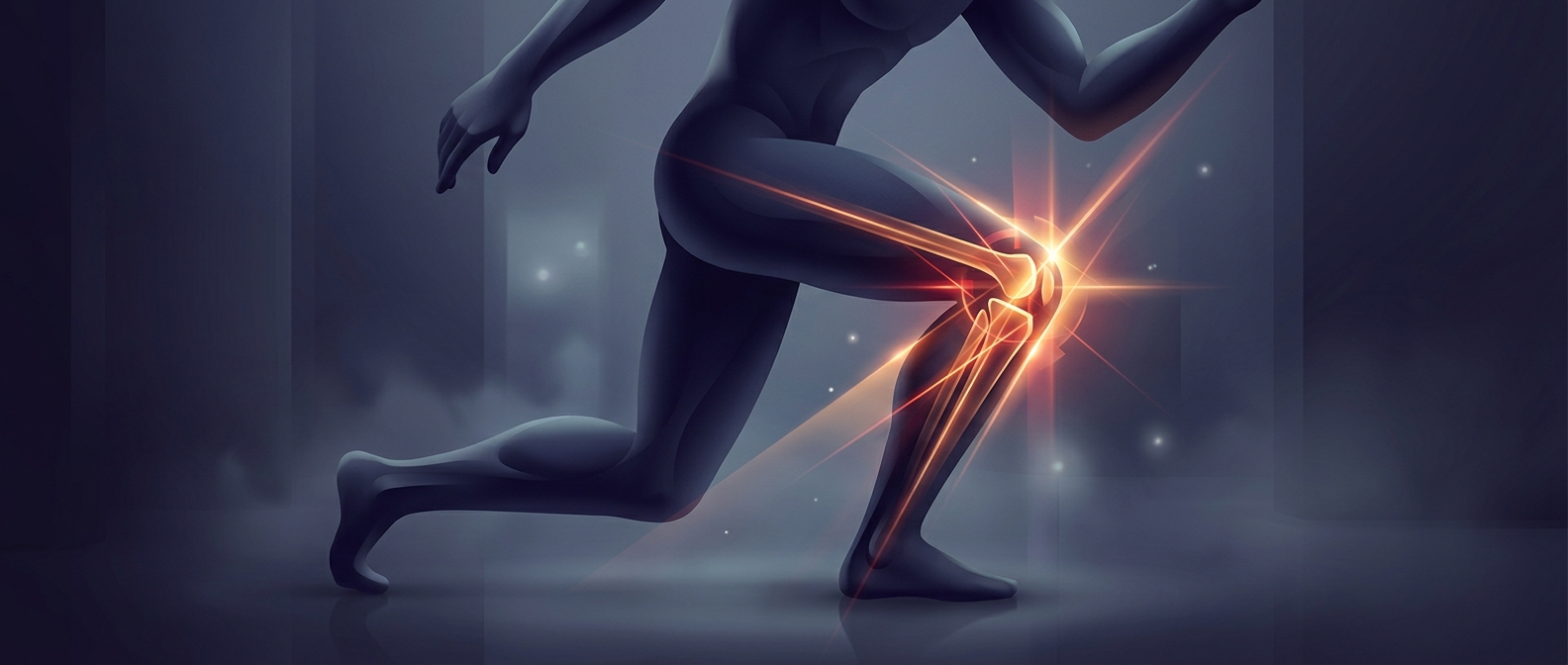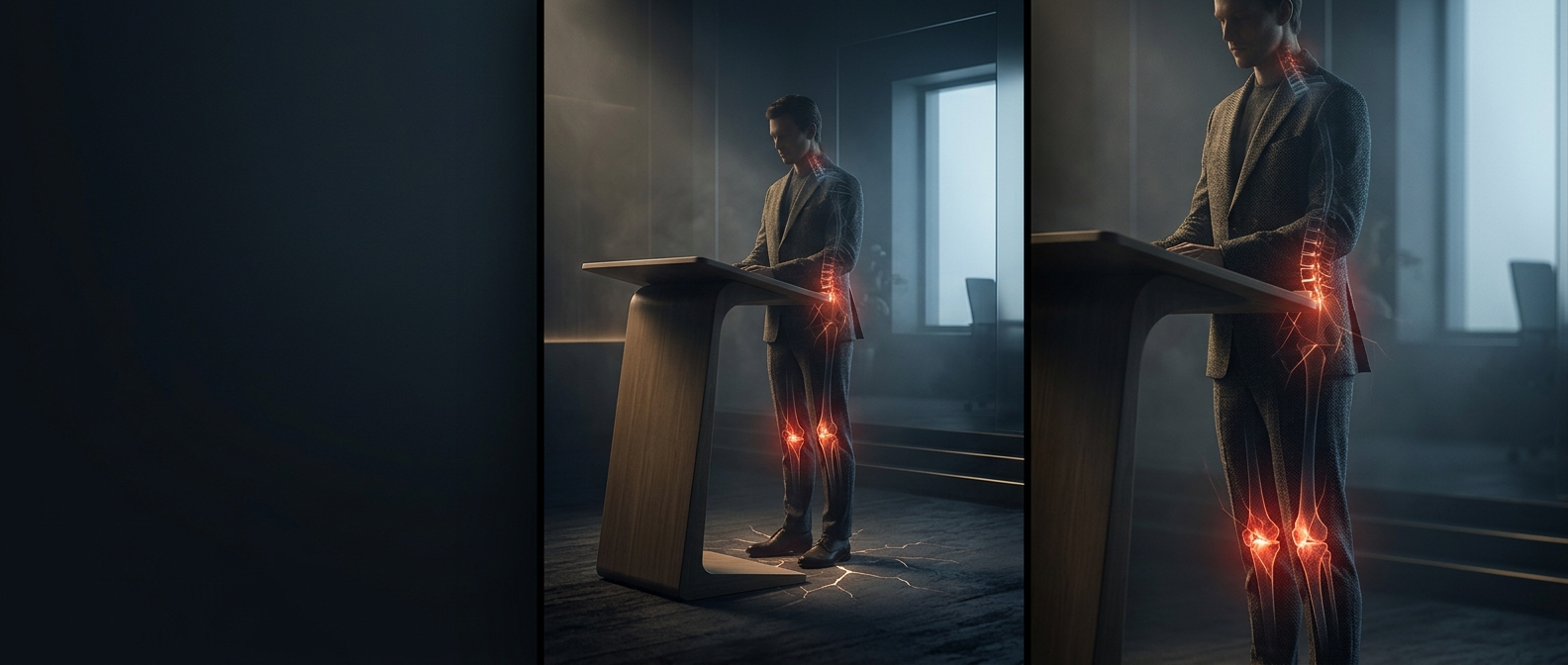
Why a fixed stance gets tiring
Standing asks the body to make constant, small adjustments to keep its balance. When you barely move, those adjustments shrink: muscles in the feet and lower legs stay engaged, while pressure remains concentrated under the same parts of the feet. The calf muscles also do less of the regular contracting and relaxing that helps move blood back toward the heart. The result can be a feeling of heaviness or soreness, even without strenuous activity.
A hard surface adds little cushioning, so each step and shift sends more force back through the feet and legs. Meanwhile, joints such as the knees may remain in nearly the same position for long stretches. Standing can therefore change the pattern of discomfort rather than remove the work the body is doing.
The useful part is changing position
The body generally tolerates varied positions better than one posture held for hours. Sitting, standing, and brief movement each redistribute pressure and give different muscles a chance to work or rest. A sit-stand desk is most useful as a way to make those changes easier—not as a reason to stand continuously.
Small shifts count: taking a few steps, gently changing weight from one foot to the other, or sitting for a while interrupts the fixed load. A cushioned mat may soften contact with a hard floor, but it cannot substitute for movement. Even with a comfortable setup, the key benefit comes from not asking the same tissues to bear the same load all day.