Why Standing Uses Only a Little More Energy
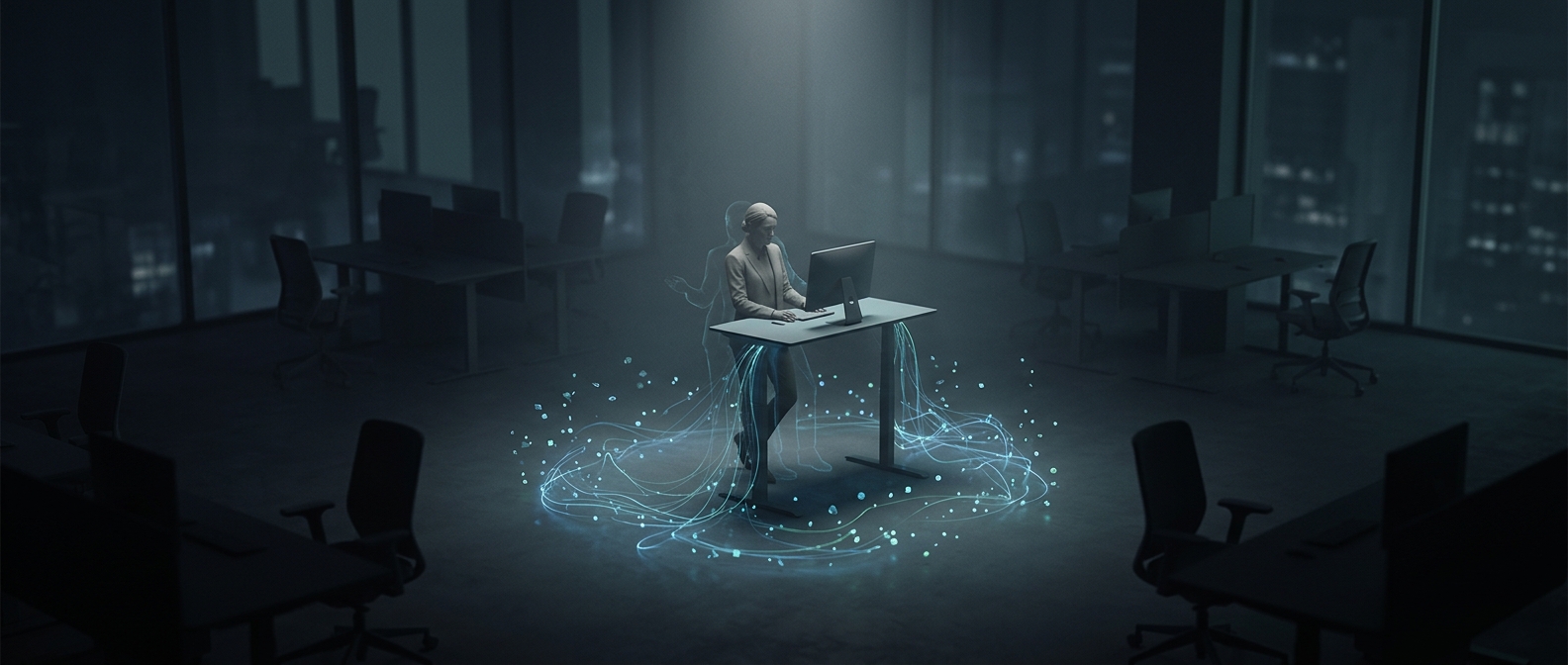
When you stand, muscles in your calves, thighs, hips, and trunk make small, continuous adjustments to keep you balanced. That work costs energy, but it is mostly low-intensity: you are supporting your weight, not repeatedly moving it through space. Sitting also requires some muscle activity, so switching to standing adds less effort than the change in posture might suggest.
The difference can vary with a person’s body and how they stand, but it is not a substitute for purposeful movement. A motionless standing stretch of the day may leave the heart and working muscles with little more to do than they had while seated.
The Useful Change Is Breaking Up Stillness
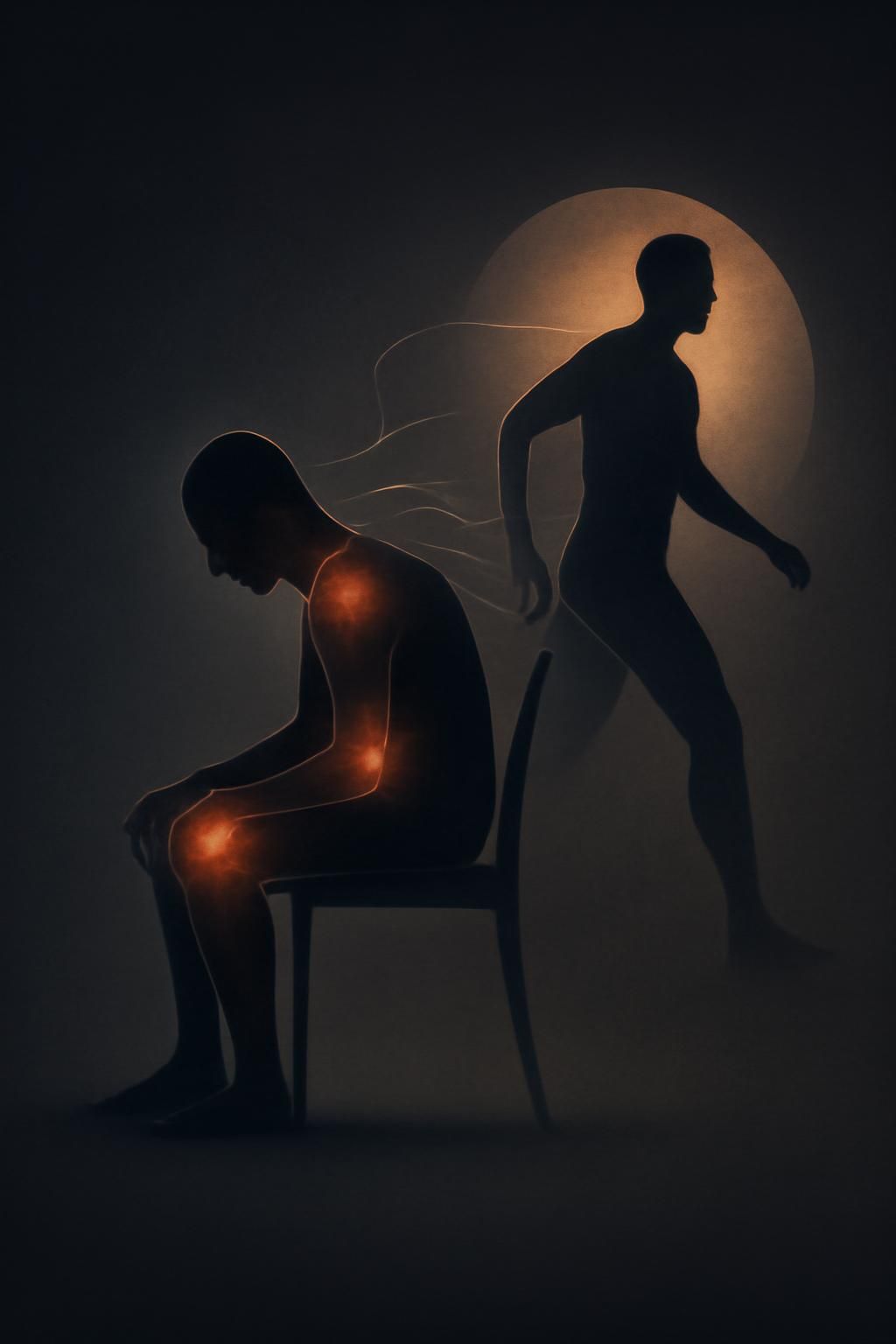
A standing desk can make it easier to change position, but its value depends on what happens next. Walking to refill a glass, shifting between tasks, or taking a brief movement break recruits muscles more actively than simply remaining upright. Those movements also interrupt long bouts in one posture, which can matter for comfort even when they do not add up to a formal workout.
Standing all day is not the answer either: it can cause discomfort and fatigue. The practical goal is to vary positions and move regularly. A desk can create an opportunity to move; standing alone does relatively little of that work.