Why the medial temporal lobe matters
The medial temporal lobe is a set of brain structures deep on either side of the head. It includes the hippocampus, which helps form new memories of events and places. A change in this region can therefore attract attention: it concerns brain tissue involved in turning everyday experiences into memories, not memory as a vague measure of mental sharpness.
What researchers mean by a link
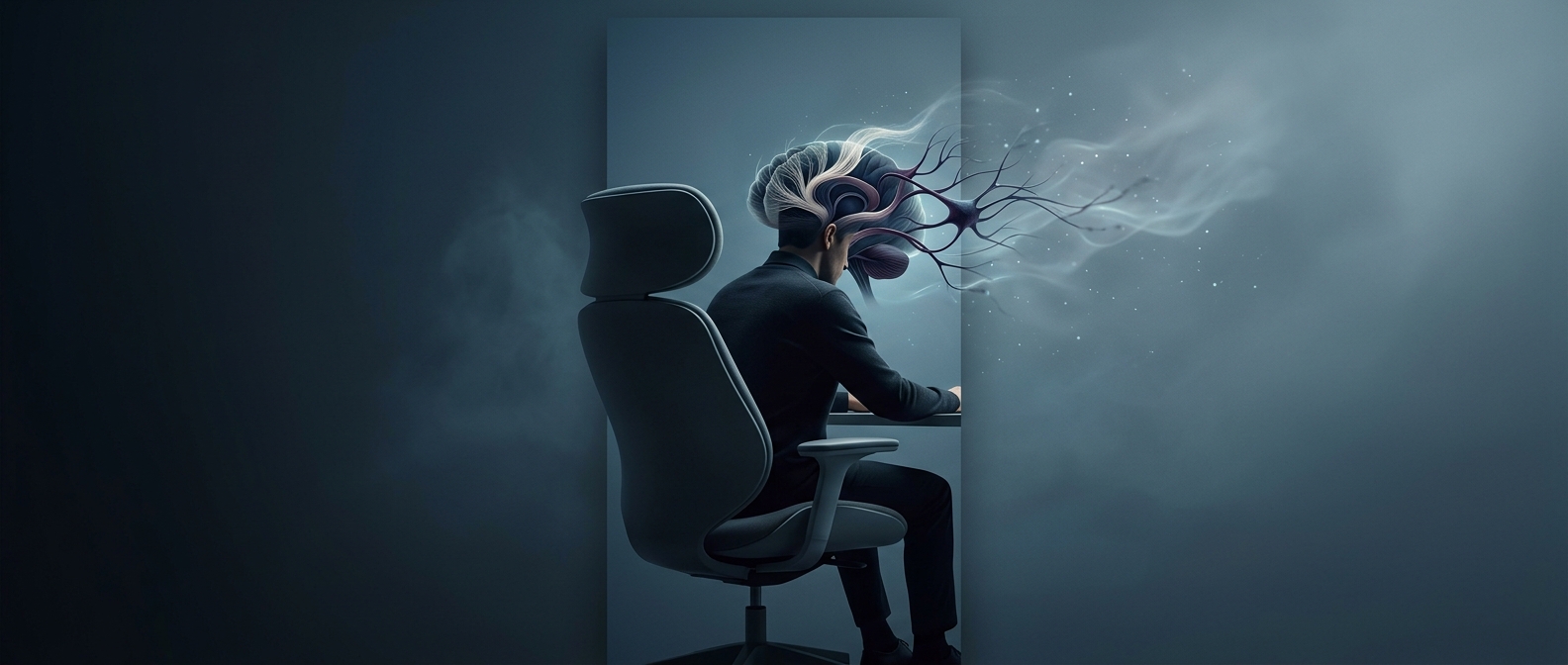
When studies associate long periods of sitting with differences in the medial temporal lobe, they are describing a pattern seen across people—not showing that sitting directly caused the differences. The association could reflect other factors that travel with sedentary time, and a finding about brain structure does not by itself show that someone will have noticeable memory problems.
The distinction matters because brain structure is shaped by many influences over time. Observing that two things occur together cannot establish which came first or whether a third factor helps explain the pattern. To identify a cause, researchers need evidence that can separate sitting itself from those other influences.
Why the finding is worth noticing
The result points to a specific question about how everyday routines relate to memory-related brain regions. It does not mean that a day spent sitting has damaged the hippocampus, or that standing up can reverse a measured change. Its practical implication is more modest: prolonged sitting is a behavior worth studying in relation to brain health, while the link alone cannot tell us what an individual should expect.