When the brain wakes before breathing worsens
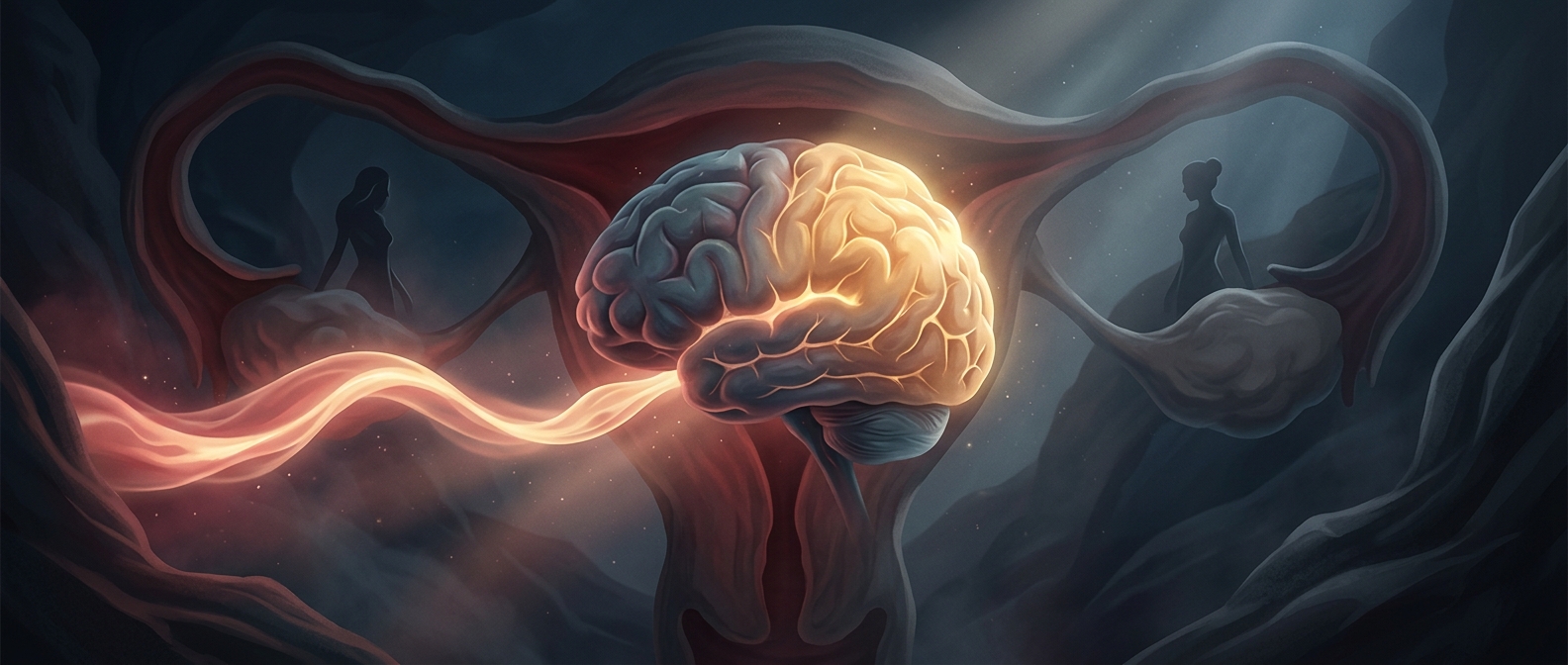
During sleep, carbon dioxide gradually rises as breathing becomes too shallow or briefly obstructed. In many people with sleep apnea, that change helps drive a stronger breath. But someone with a low cortical arousal threshold wakes in response to a smaller disturbance—before carbon dioxide has risen enough to build a strong respiratory drive.
That early awakening can reopen the airway, but it also fragments sleep. After waking, a person may breathe more deeply than needed, lowering carbon dioxide again. When sleep resumes, breathing can become unstable, setting up another cycle of shallow breathing and arousal.
Why turning up pressure may not solve it
A CPAP machine uses air pressure to hold the upper airway open. It can address airway collapse, but it cannot change how readily the brain wakes. If early arousals are driving the repeated disruptions, simply increasing pressure may not address the mechanism—and excessive pressure can be uncomfortable or cause additional problems for some users.
That does not mean the device is useless: airway obstruction and a low arousal threshold can occur together, and treating obstruction may still help. The point is that persistent awakenings or symptoms deserve more than an automatic pressure adjustment. Clinicians can assess whether the airway remains obstructed, whether the treatment is being used effectively, and whether another factor is disrupting sleep.
The practical distinction is between a breathing problem the machine can physically support and a brain response it cannot reset. A pressure setting alone cannot reveal which one is keeping a patient awake.