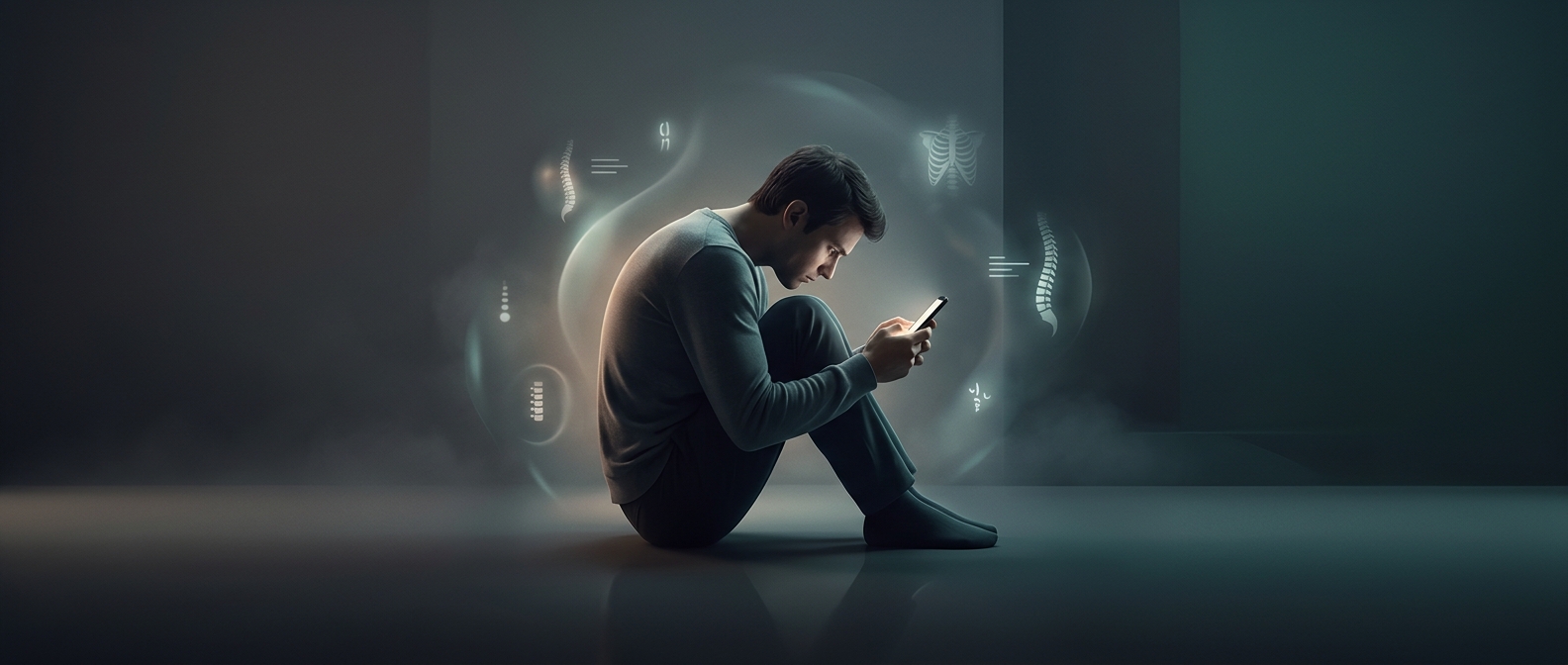
Why a Twisted Sitting Position Can Feel Stiff Later
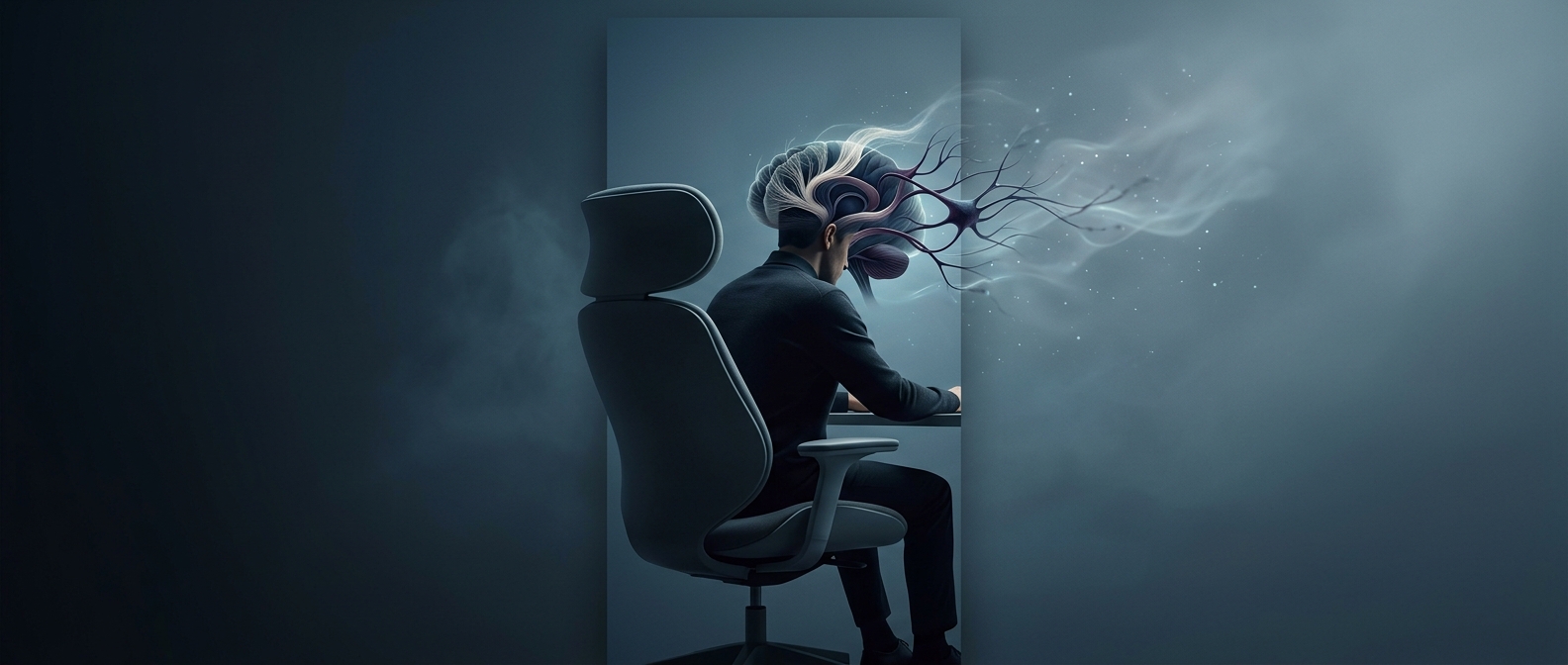
Your spine and torso can rotate, but that rotation is shared across several joints and tissues—not supplied by one muscle. When you hold a twist, muscles on one side may remain shortened while others stay active to keep your chest and pelvis from turning back. A chair or desk can make the position feel stable, even though your body is still doing quiet work to maintain it.
Standing Up Changes the Load
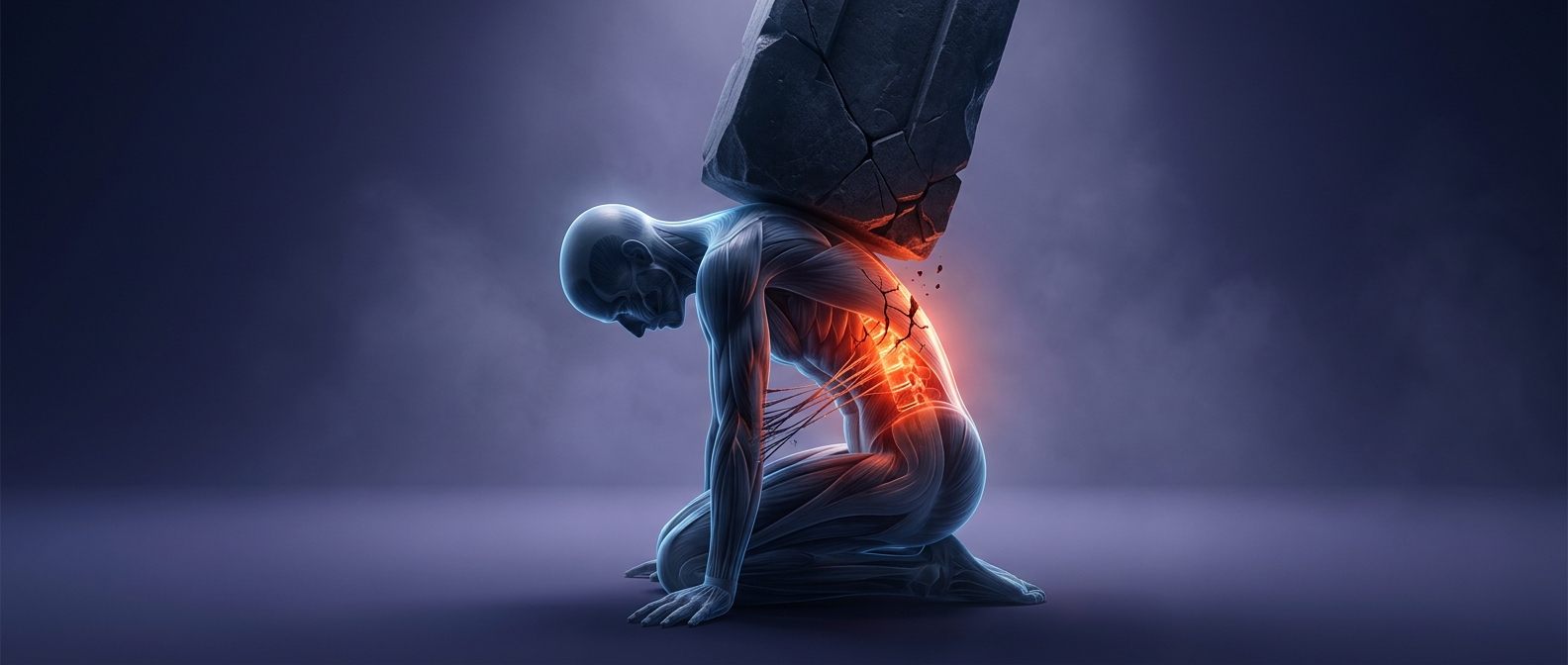
The shift comes when you move again. To stand, your trunk and hips have to coordinate with your legs and transfer your weight over your feet. Muscles that were holding one position now have to lengthen, contract, or stabilize in a different direction. After staying still, that change can feel like tightness or a brief catch; it does not necessarily mean anything has been injured.
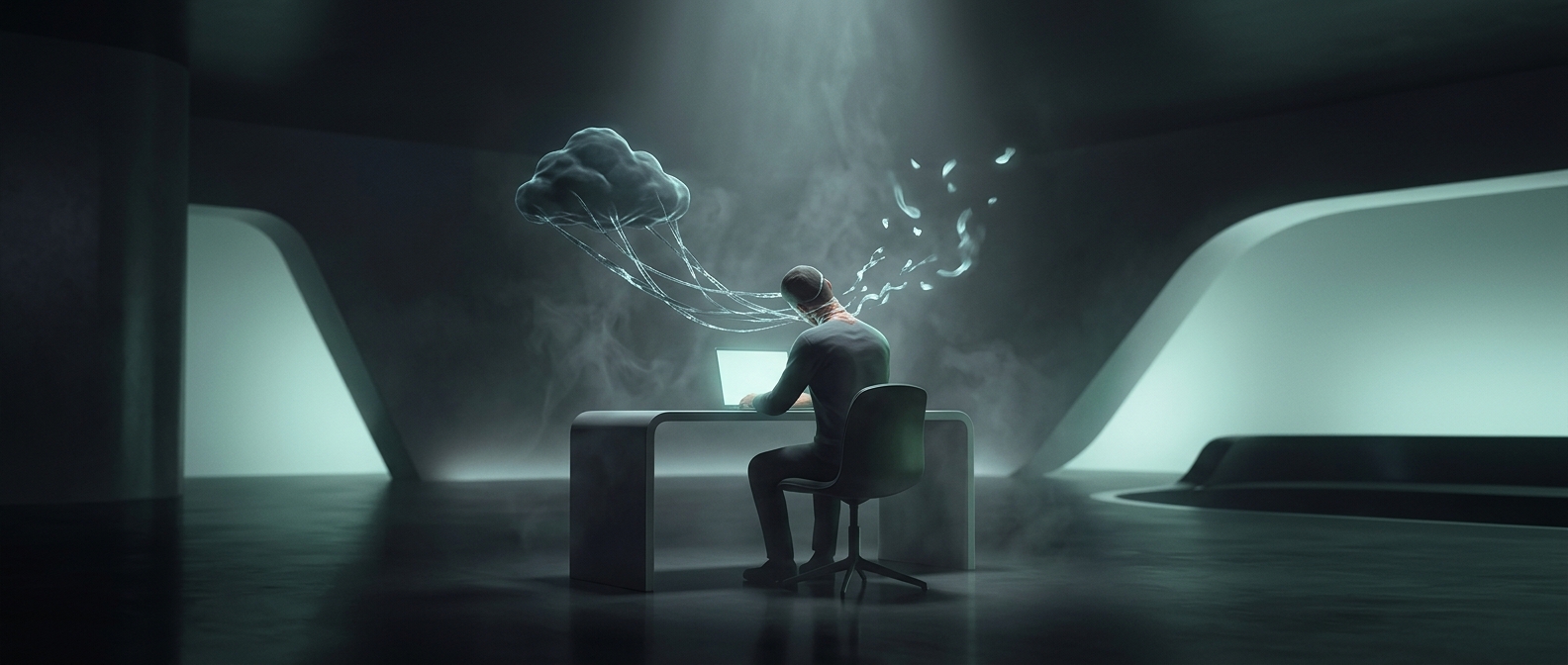
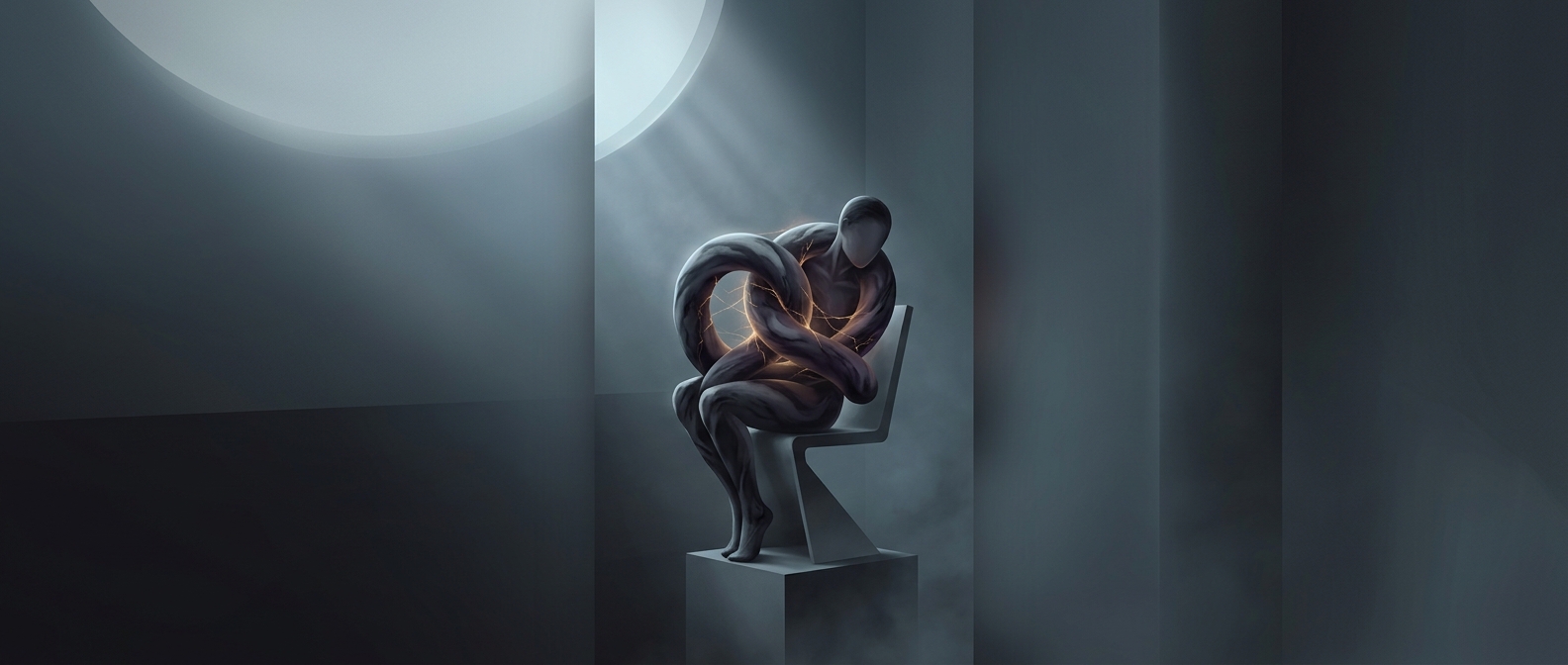
The position can also make movement less convenient: a turned torso may leave your shoulders facing one way while your hips face another, so reaching, typing, or getting up involves extra adjustment. The issue is usually not a single “bad” pose but how long you stay in it without changing position. Shifting your hips and shoulders now and then, or standing briefly, gives the same tissues a chance to stop holding one fixed arrangement—and makes the next movement less like unwinding a knot.