Why less walking can change how your body moves
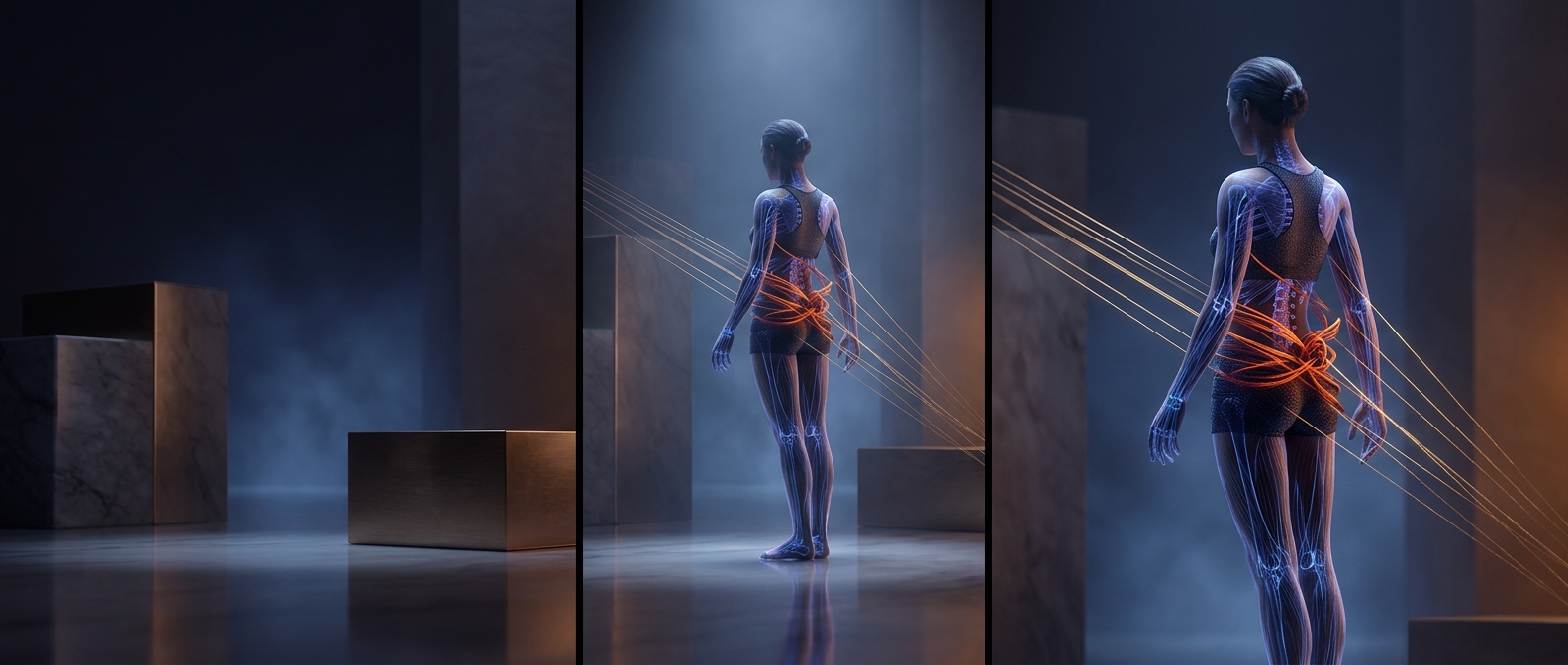
When walking drops sharply, the first changes may be about practice, not lost fitness. A walk repeatedly takes the hips through extension, bends the knees, and moves the ankles as the foot rolls from heel to toe. Long stretches of sitting give those joints fewer chances to move through those ranges. Muscles and connective tissues can feel stiff after spending much of the day in the same positions, even if ordinary tasks still feel easy.
The number of steps that marks a meaningful change varies from person to person. There is no universal point at which the body suddenly begins to age; a low daily count is better understood as a clue that routine movement has become limited.
Balance depends on repetition, too
Walking is also a steady stream of small balance adjustments. Each step asks the body to sense where the foot lands, shift weight, and make corrections through the ankles and legs. Those ordinary repetitions help keep the movements familiar. With less walking, a person may have fewer opportunities to practice them—especially on uneven ground or while changing direction.
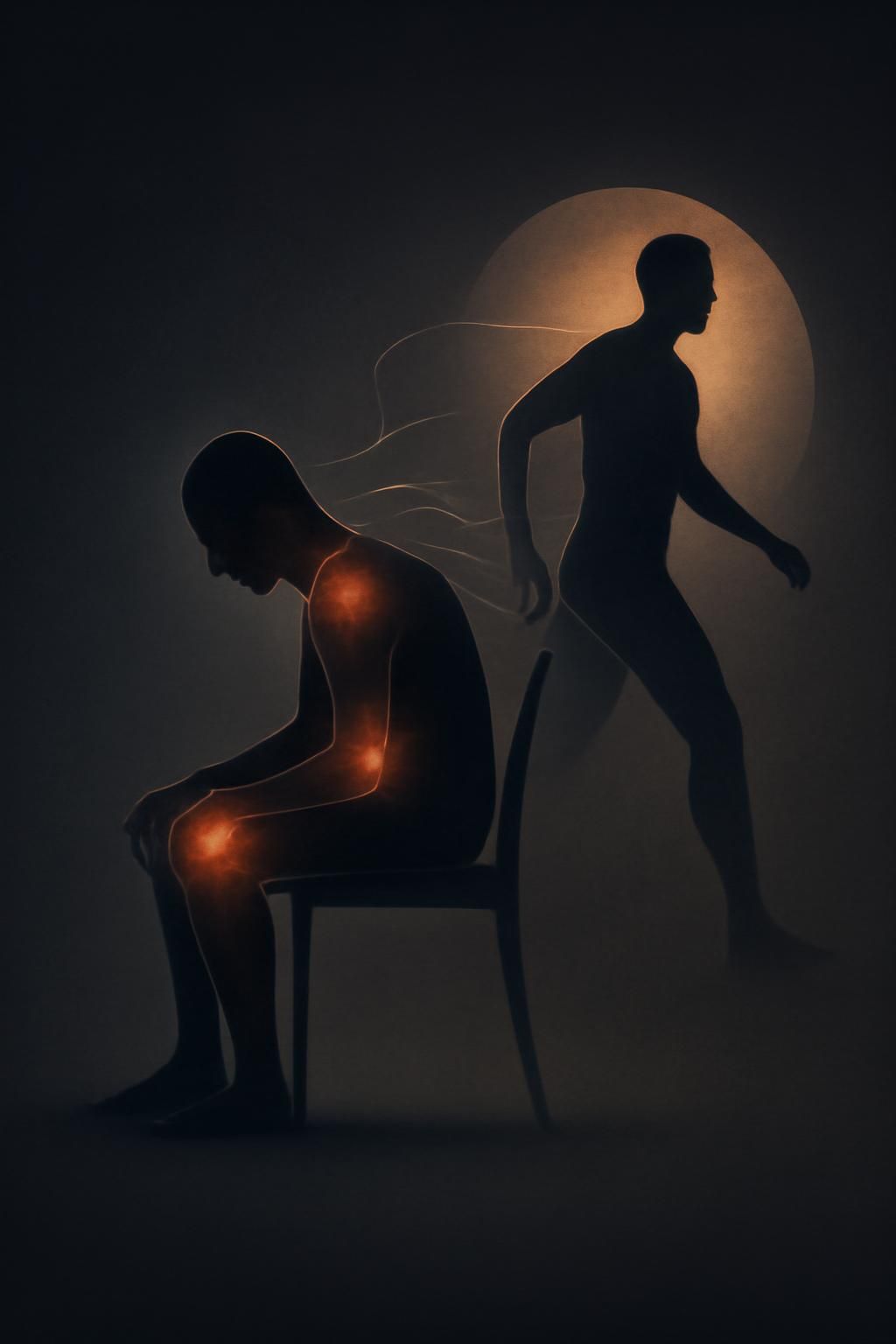
That can make a subtle change noticeable before a broad loss of fitness: a stiff first step after sitting, less comfortable ankle movement, or feeling less sure while turning. The body may reveal a change in its movement habits before everyday life feels strenuous. Breaking up long sitting periods with comfortable movement gives joints and balance systems more chances to do the work they have been missing.