What the Tomb Carvings Can—and Can’t—Show
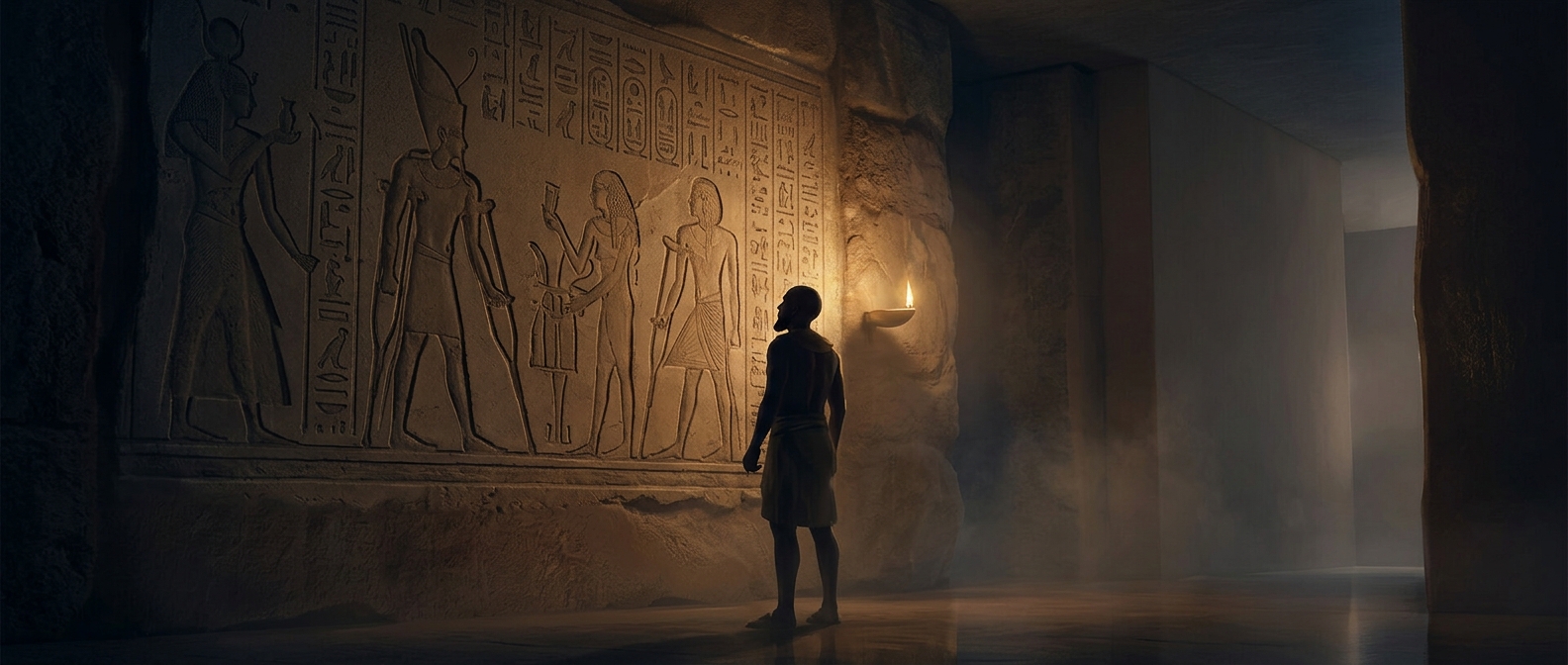
Some ancient Egyptian tomb scenes depict people leaning on wooden-looking supports with a crosspiece near the top, a form that resembles a modern T-shaped crutch. The image offers a glimpse of how a person might have steadied themselves while walking, but a carving cannot tell us exactly how the support was made, how it was used, or why that person needed it.
A Simple Way to Shift Weight
A crutch helps by giving the body another point of support. Instead of placing all of their weight through a painful or weak leg, a person can press down through their arms and the support, transferring some of that load to the ground. That can make standing and taking steps more manageable, though it takes balance and strength in the upper body.
A wooden pole with a crosspiece could provide a handhold and help keep the support from slipping. Its basic logic is straightforward: brace against the ground, steady the body, and move forward. The carved images suggest that people in ancient Egypt recognized this practical solution long before modern clinical equipment developed.
An Aid, Not a Cure
A walking support does not repair an injury or remove pain. It changes how a person bears weight, which can help preserve mobility while a leg is impaired or difficult to use. The tomb scenes make that everyday need visible across a vast span of time: when walking is hard, even a simple piece of wood can help someone remain on their feet.