The book belongs to the imagined trip
Packing a book can be less a plan than a picture of the traveler you hope to become: unhurried, curious, and free from daily obligations. The book makes that version of the vacation feel tangible before the trip begins. It may also stand in for a promise to use time well—especially when the title has been waiting at home for months.
A change of place does not erase the day’s demands
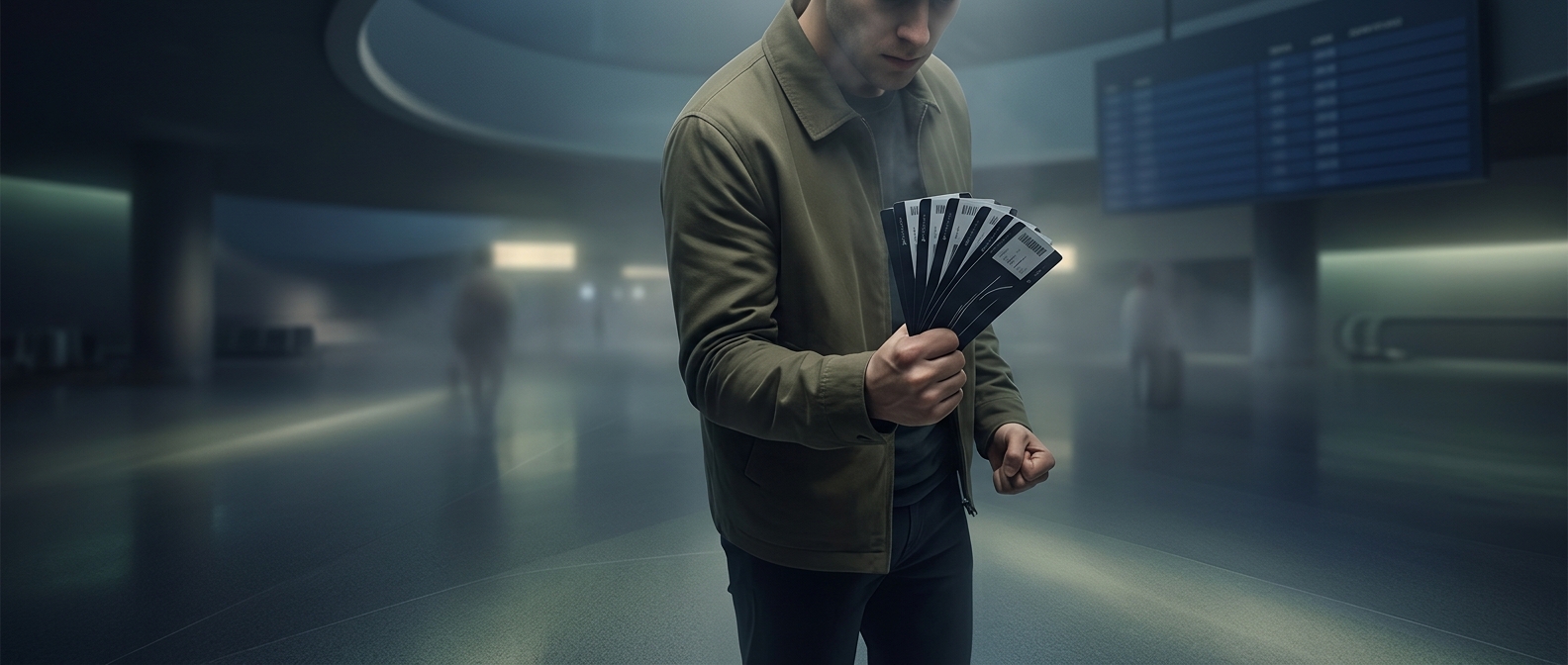
Travel time looks spacious on a calendar, but it arrives in fragments. A flight brings boarding, announcements, and fatigue; a day of sightseeing brings navigation, meals, and decisions. Even quiet time at a hotel can be claimed by companions, unfamiliar surroundings, or the desire to do something that feels particular to the destination.
At home, a reader may already know which chair, hour, or routine helps them settle in. On the road, those cues disappear. The book is there, but the conditions that make reading easy may not be.
What the unread book is really carrying
The book can still have a purpose: it offers a reassuring possibility, a familiar comfort, or a way to imagine a slower version of the trip. That possibility is easy to pack because it weighs little. The harder part is finding a real stretch of attention amid the vacation’s competing pleasures.
So the untouched novel is not necessarily evidence that the trip went wrong. It may simply mark the gap between the vacation as pictured in advance and the one that unfolded hour by hour.