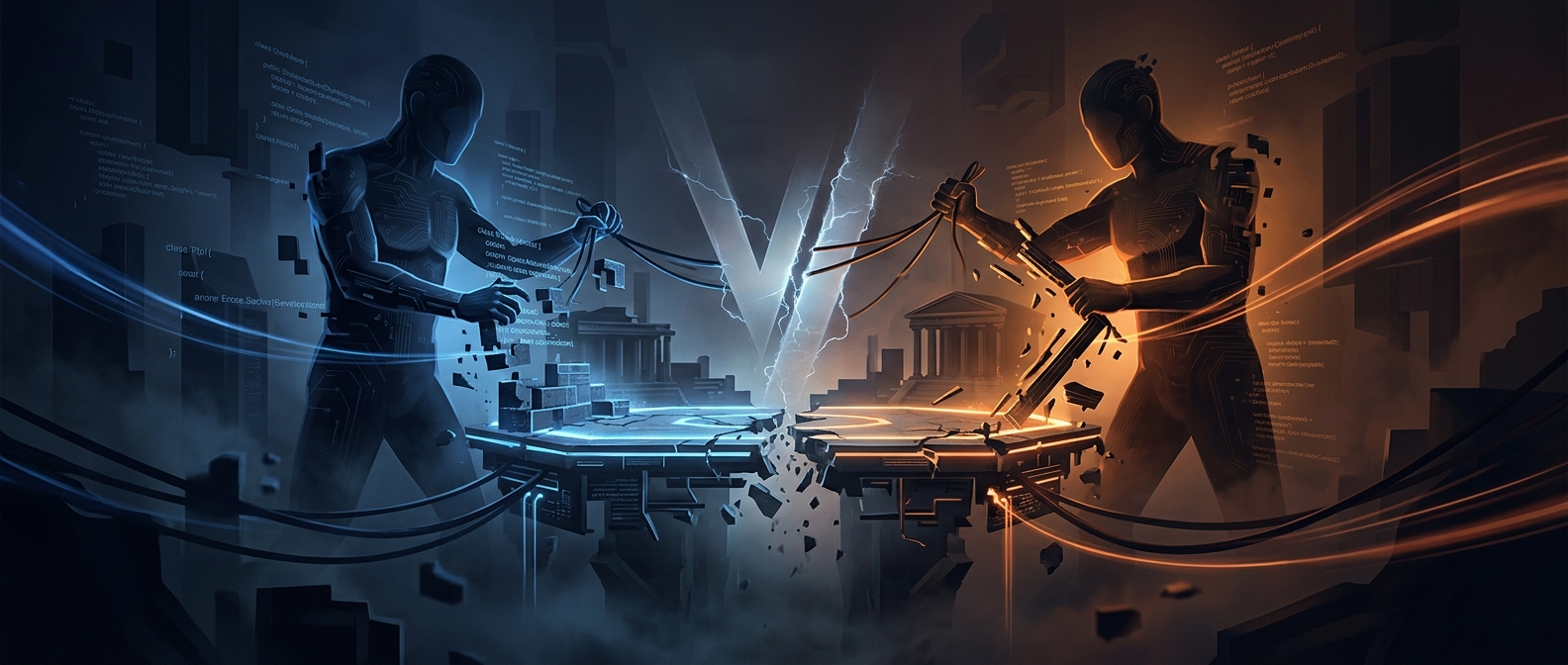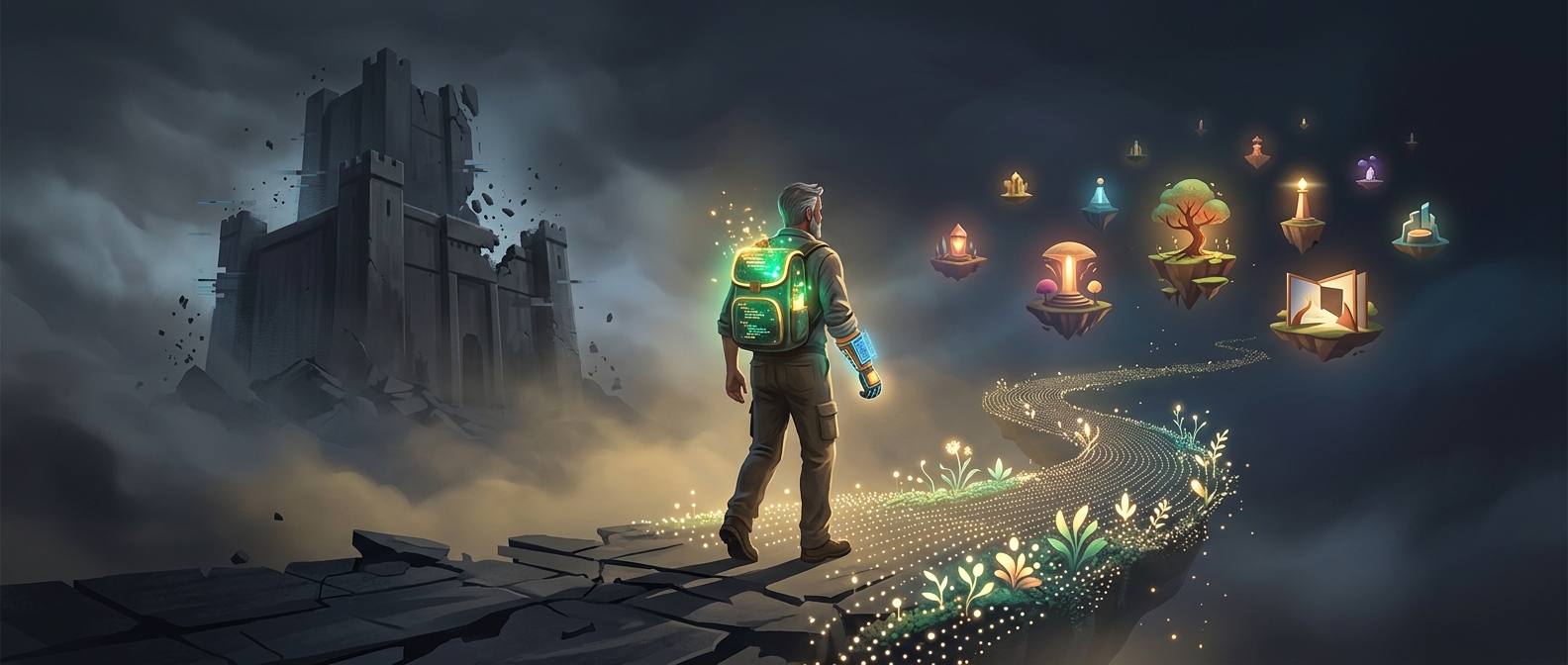
Why layoffs can seed smaller game studios
A large game studio can lose experienced developers and, at the same time, release people who know how to build a game from concept to launch. That practical knowledge—how to scope a project, coordinate art and code, and get a playable build in front of users—can make a small team more viable than it would be without industry veterans.
Some of those developers regroup as independent studios. With fewer layers of approval, they can make decisions quickly and pursue a design that might not fit a publisher’s commercial plan. That can mean trying an unusual mechanic, choosing a narrower audience, or resisting features aimed mainly at keeping players spending or logging in.
Freedom comes with a smaller safety net
Independence does not remove the hard parts of making games; it changes who bears them. A publisher may provide financing, marketing, production support, or access to a large audience. A small studio has to find other ways to fund development and reach players, often while working with fewer people and a tighter margin for delays.
That pressure shapes the experiments themselves. A team may choose a more focused project it can finish with its available resources, rather than attempt the scale of a major release. Digital storefronts and direct communication with players can help a small game find an audience, but visibility is not guaranteed.
The result is not that layoffs automatically produce better games. It is that a disruption in large studios can redirect experienced talent toward projects with different priorities—and different risks. The creative room comes from having fewer gatekeepers; the cost is having fewer institutions to absorb a project’s financial and production setbacks.