Why games can out-earn films and recorded music
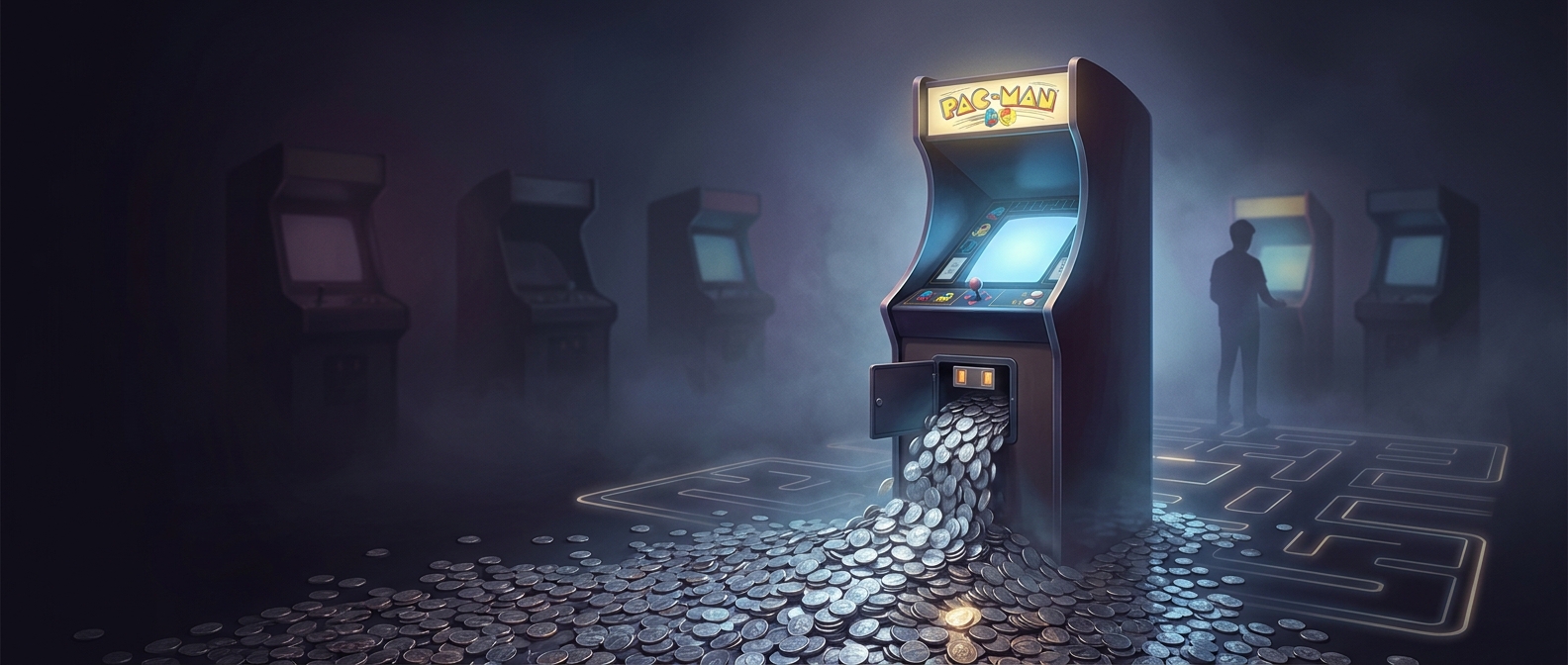
A game can keep earning long after its launch. A player might pay once to download it, then spend more on expansions, cosmetic items, or a season pass that unlocks new content over time. Some games also earn through subscriptions or advertising. That creates several ways for a single title to bring in revenue across months or years.
Movies and music have recurring income too, but their familiar release patterns differ. A film may earn first in theaters, then through rentals, purchases, or streaming deals. Recorded music earns through sales and streams, often in tiny payments that accumulate across many plays. Games add another source: players can spend directly inside an ongoing experience.
The game keeps changing after purchase
That ongoing relationship is part of the business model. Developers can update a game with new challenges, maps, or events, giving players reasons to return—and, sometimes, to buy additional content. A successful online game can therefore resemble a continuing service more than a one-time product. The tradeoff is that companies must keep maintaining servers and making fresh content to hold players’ attention.
The comparison depends on what counts as revenue in each industry, so it is not a perfect apples-to-apples measure. But the underlying shift is clear: games can combine a purchase with a long series of optional transactions. A player who starts with one download may still be contributing to that game’s earnings years later.