The deal that turned into a rivalry
The original PlayStation grew out of a partnership that fell apart in public. In the late 1980s, Sony and Nintendo worked on a CD-ROM add-on for the Super Nintendo. Sony would bring its electronics expertise to the project, while Nintendo hoped CDs could expand what its game system could do.
But the companies disagreed over control of the software and the money made from it. In 1991, Sony presented its planned Nintendo-compatible system at a major electronics show. The next day, Nintendo announced a different CD-ROM partnership—with Philips. The reversal left Sony looking publicly sidelined.
From humiliation to a console
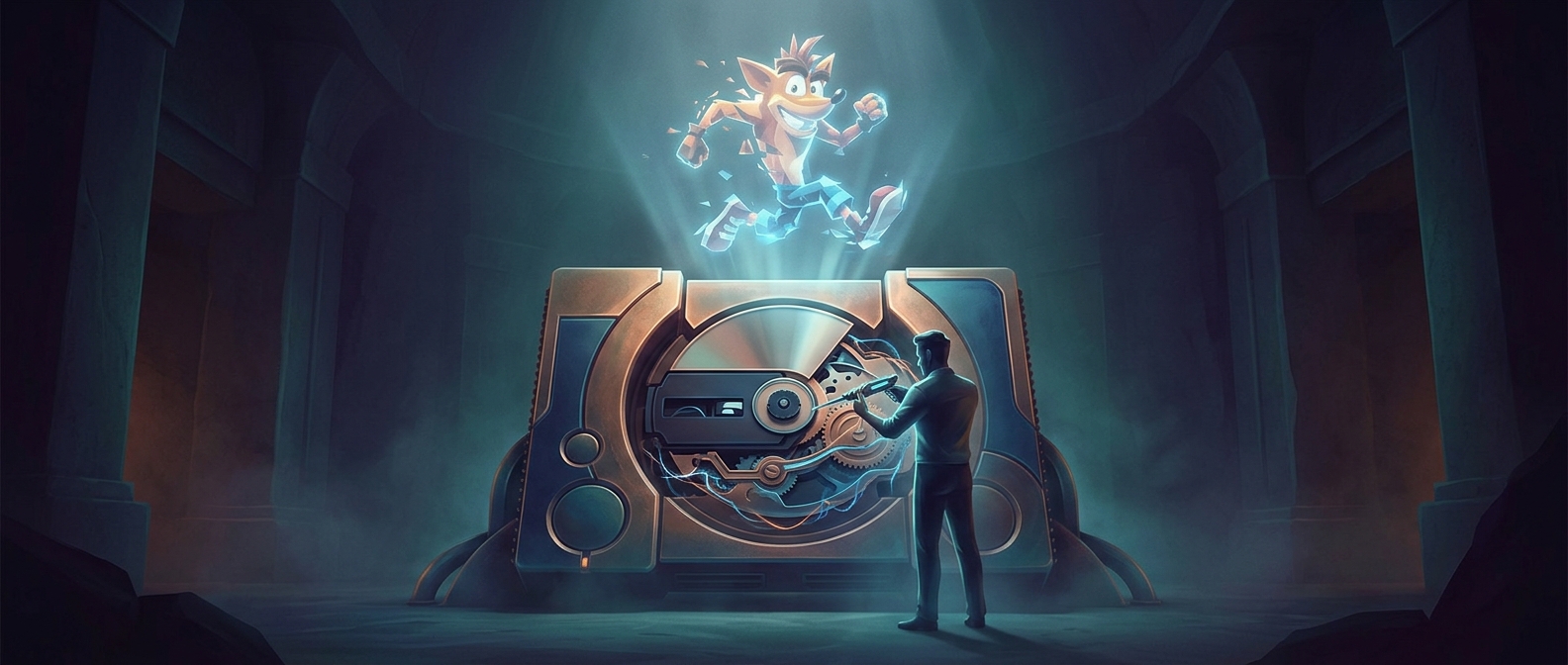
Sony’s president, Norio Ohga, was furious about the break, and the company chose not to abandon the work. Engineer Ken Kutaragi, who had championed Sony’s gaming ambitions, helped push the project forward. The failed collaboration had given Sony a practical starting point: engineers had already explored how to build hardware for games and handle CD-based software.
That experience did not make the finished PlayStation a simple Nintendo add-on. Sony developed it as a standalone console, designed around CDs rather than cartridges. CDs could hold far more data, making room for richer sound, video, and larger game worlds. Sony also built a new business around courting outside developers, whose games would be essential to making the machine succeed.
Spite was the spark, not the whole design
The public snub helped turn a technical partnership into a determined effort to compete. But anger alone could not create a successful console: Sony still had to build the hardware, attract game makers, and persuade players to trust a newcomer in the business.
The irony is that Nintendo’s decision did not merely end a deal. It helped send Sony from the role of hardware partner to that of a direct rival—and gave the PlayStation a reason to exist beyond the abandoned add-on.