The Starbucks cup was a running joke, not a frame-by-frame stunt
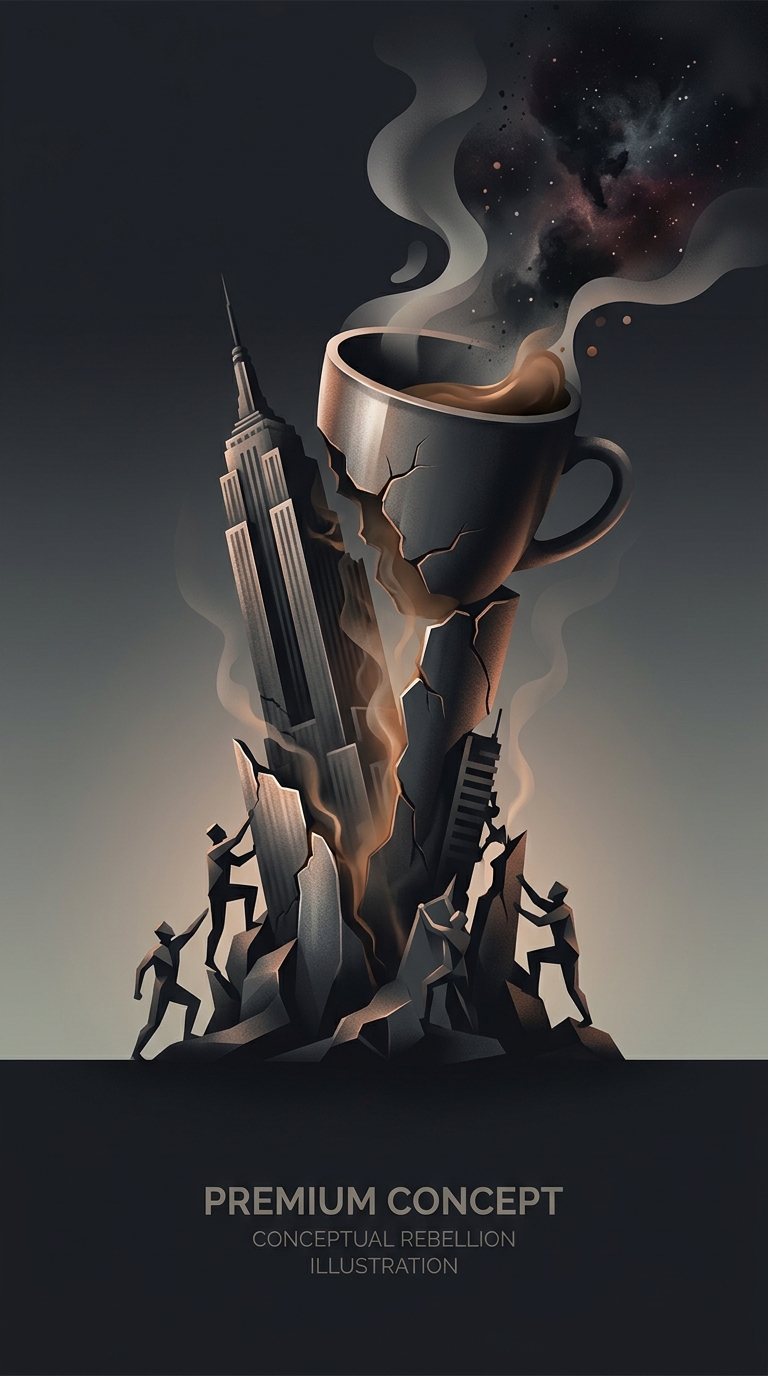
Fight Club does not put a Starbucks cup in every frame. The coffee chain’s presence is more limited—and more pointed: its cups and storefronts recur in the film’s ordinary urban landscape, where brand names help make the consumer world feel familiar and inescapable.
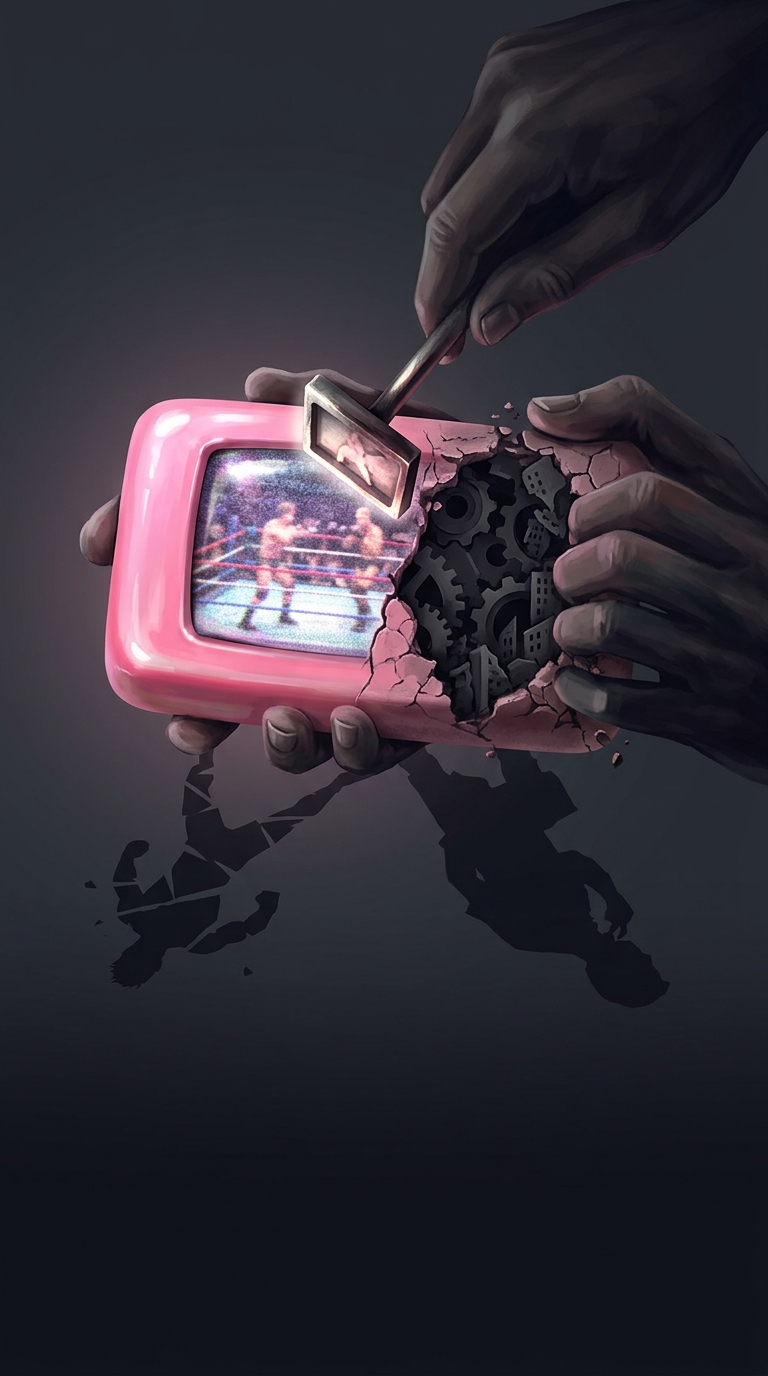
That recurrence fits the film’s critique of buying identity through products. The narrator’s carefully furnished condominium and his fixation on possessions show how consumer goods can become a substitute for a sense of self. Against that backdrop, a recognizable coffee cup is a small, efficient visual cue: corporate branding is part of the scenery, not something the characters have to stop and discuss.
Why the brand’s presence sharpens the satire
The cup also creates a joke that works outside the story. A movie criticizing consumer culture still uses a real company’s logo as a production detail—and audiences can recognize the brand immediately. That tension is real, but it does not prove that Starbucks read the script, misunderstood the film, or knowingly approved a deliberate cup in every shot. Those claims go beyond what the recurring imagery establishes.
The more grounded irony is that a commercial film can make rebellion visually memorable while relying on the same branded world it questions. The Starbucks cup does not cancel the critique; it gives the critique an everyday object to point at.**