A sunset is a view from the past
Sunlight does not reach Earth instantly. It takes about 8 minutes and 20 seconds to travel from the Sun to us, so the light entering your eyes at sunset left the Sun more than eight minutes earlier. You are seeing the Sun as it was then—not as it is at the moment you look.
The same delay applies to everything you see, though it is usually too small to notice. Light crosses a beach in a tiny fraction of a second; across the Sun–Earth distance, the travel time becomes long enough to feel astonishing.
The atmosphere paints the last light
As the Sun sinks toward the horizon, its light passes through more of Earth’s atmosphere before reaching you. Air molecules scatter shorter blue wavelengths more readily than longer red and orange wavelengths. After much of the blue light has been scattered out of the direct path, the remaining sunlight looks warmer.
Dust, water droplets, and other particles can change the display, too. They scatter light in different ways, which is why one evening’s horizon may glow vivid red while another looks pale gold—or barely colorful at all. The atmosphere is not simply a filter with a fixed setting; its changing contents shape the colors you see.
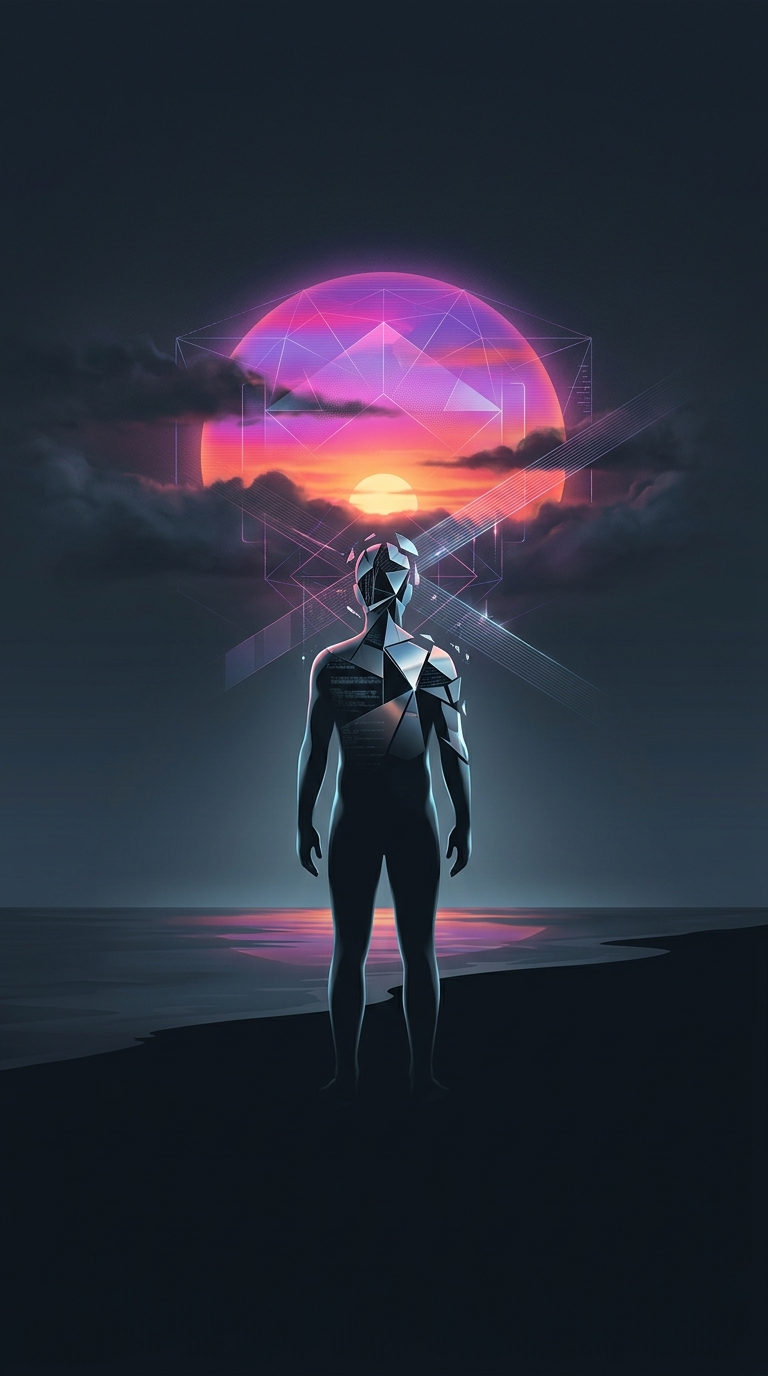
Near the horizon, atmospheric refraction— the bending of light as it travels through layers of air—also makes the Sun appear slightly higher than its actual position. So the final visible slice is already below the horizon geometrically. The beach sunset is both a delayed glimpse of the Sun and an image subtly reshaped on its way to you.