Why aging muscles respond to resistance
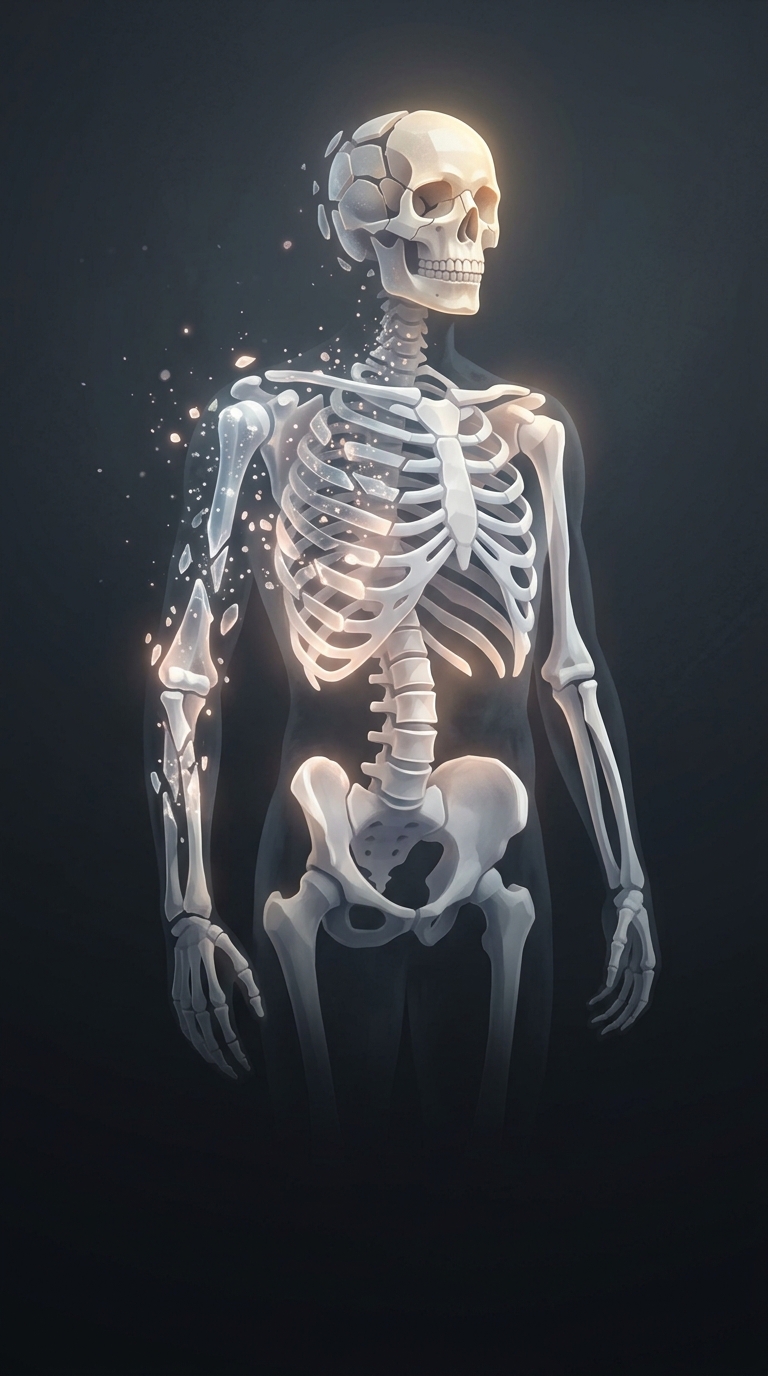
Muscle loss with age is not simply a matter of muscles “wearing out.” The body gradually loses some muscle fibers and becomes less efficient at activating the ones that remain. In particular, the fast, powerful fibers used to rise from a chair quickly or catch a stumble can become harder to recruit. The result may be a double loss: less muscle tissue and less usable force.
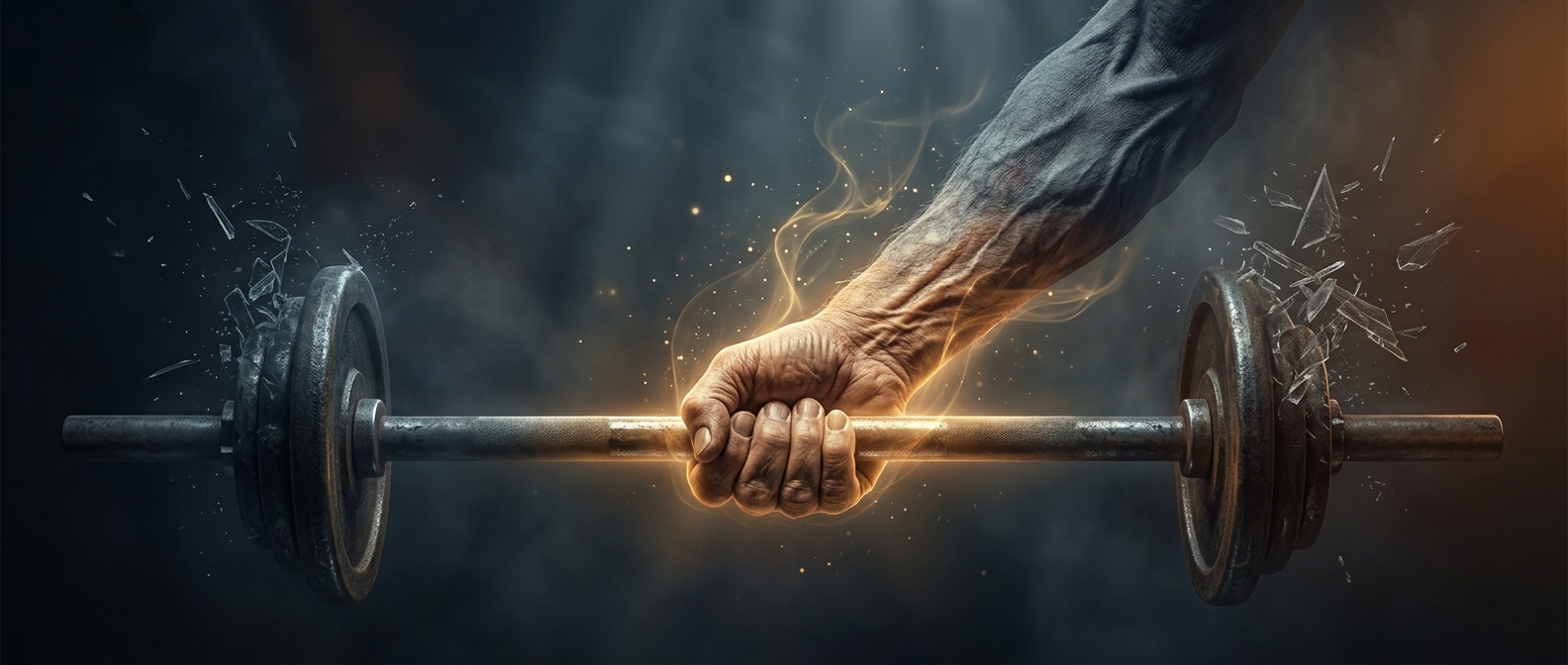
Lifting, pushing, or pulling against resistance creates a demand the body must adapt to. Muscle fibers experience tension, and the nervous system practices switching on more of them together. After a workout, the body repairs and builds muscle proteins; repeated training can shift the balance toward maintaining or adding tissue and improve coordination. That is why strength can increase even before visible muscle growth: the brain and muscles get better at producing force as a team.
The challenge has to keep changing
A weight that feels demanding at first can become easy as the body adapts. To keep providing a reason to improve, training gradually raises the challenge—perhaps by adding resistance or repetitions, or by choosing a harder version of an exercise. This is called progressive overload. It does not mean pushing to exhaustion; the increase should be manageable enough to preserve controlled movement and allow recovery.
Exercises that resemble daily tasks can make the payoff especially tangible. Practicing a controlled sit-to-stand, for example, trains muscles needed to get up from a chair. Stronger legs and hips can make that movement less effortful, while better strength reserves may help a person respond when balance is briefly disturbed. Training cannot stop every age-related change, but it can help preserve capacity where it matters: in the ordinary movements that keep daily life independent.