How a Tiny Emoji Can Change the Meaning of a Message
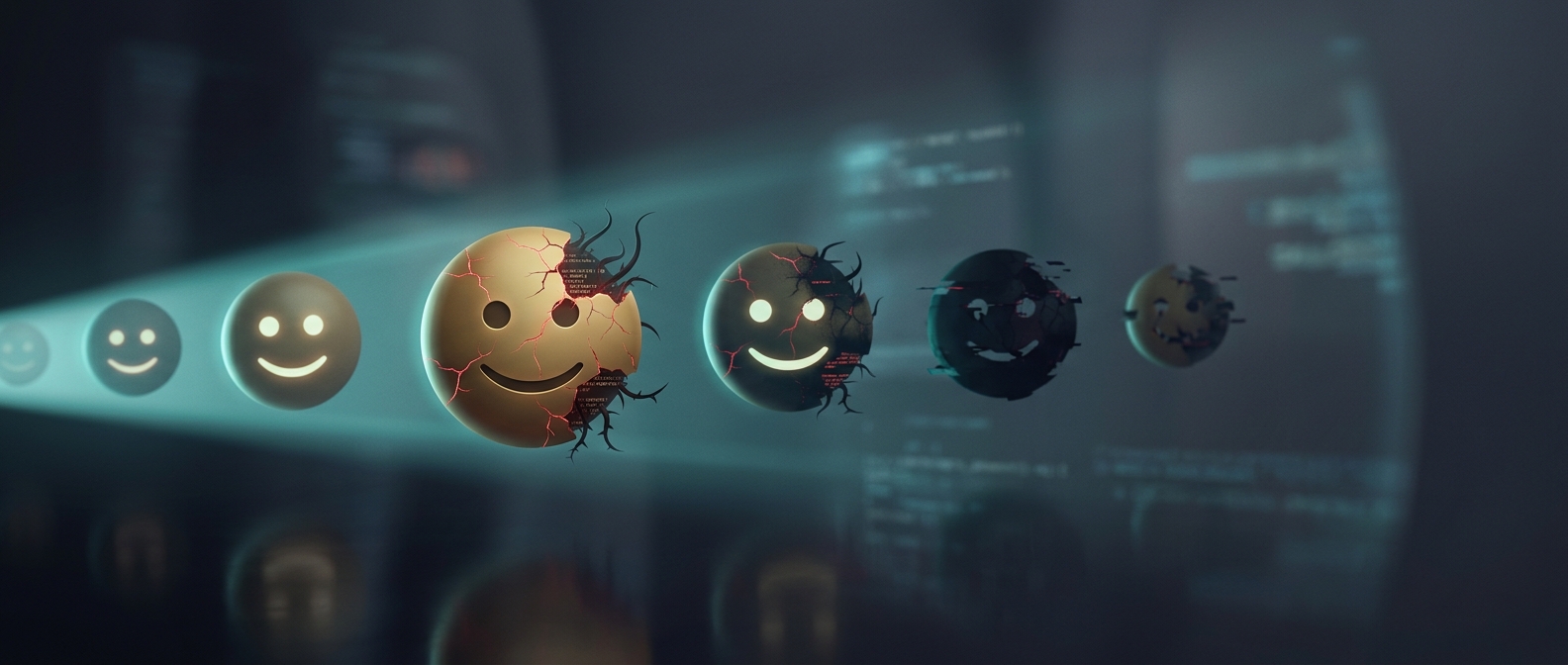
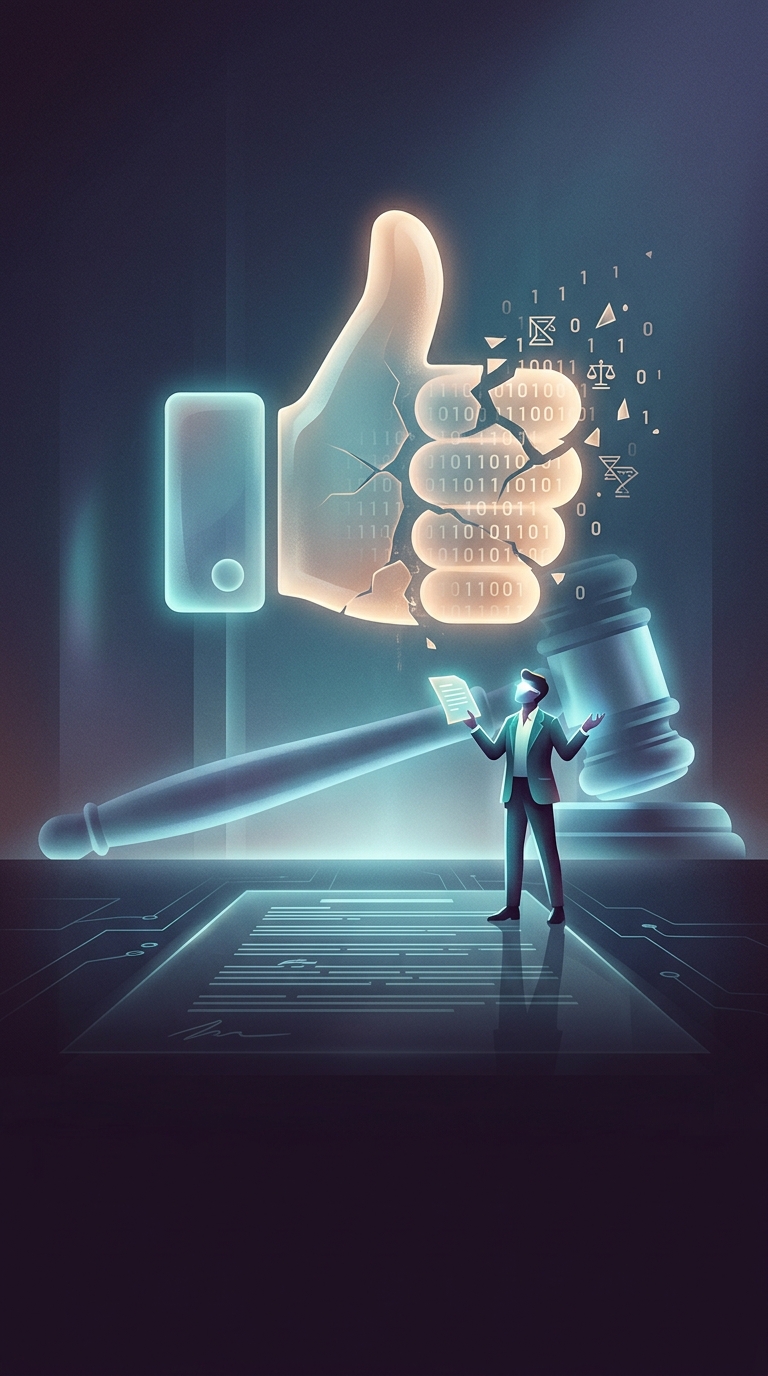
In a high-stakes case, a message is not just a string of words: it may be evidence of what someone knew, intended, promised, or threatened. An emoji can affect that reading. A thumbs-up might acknowledge a plan, approve it, or simply end a conversation. A smile can soften a remark—or make it look sarcastic. The symbol itself rarely settles the question; its meaning depends on the surrounding exchange and the people communicating.
The Same Symbol Can Look Different
Emoji are encoded characters, but phones and apps supply their own artwork. A symbol sent from one device may appear with a noticeably different expression or gesture on another. That can matter when a screenshot is presented without the original message, or when investigators need to establish what a recipient actually saw. The written label for an emoji is not necessarily a complete account of how it looked or what it conveyed in context.
Lawyers may therefore examine the original device, the full conversation, timestamps, and the relationship between the people involved. A single cropped symbol is weaker evidence than a sequence showing how the participants used it and responded to it. Even then, interpretation is an argument, not a built-in property of the icon.
Why Courts Have to Slow Down
Emoji let people communicate tone and shared references quickly, but those shortcuts are personal and culturally variable. A symbol that feels obvious to one group may be unfamiliar or carry a different implication to another. In court, lawyers have to connect an interpretation to the surrounding evidence rather than assume every reader will decode it the same way.
That makes emoji disputes part of a larger challenge in digital evidence: preserving not only what was sent, but the context needed to understand it. A tiny icon can become consequential when the case turns on the difference between acknowledgment, agreement, and intent.