
A closer look
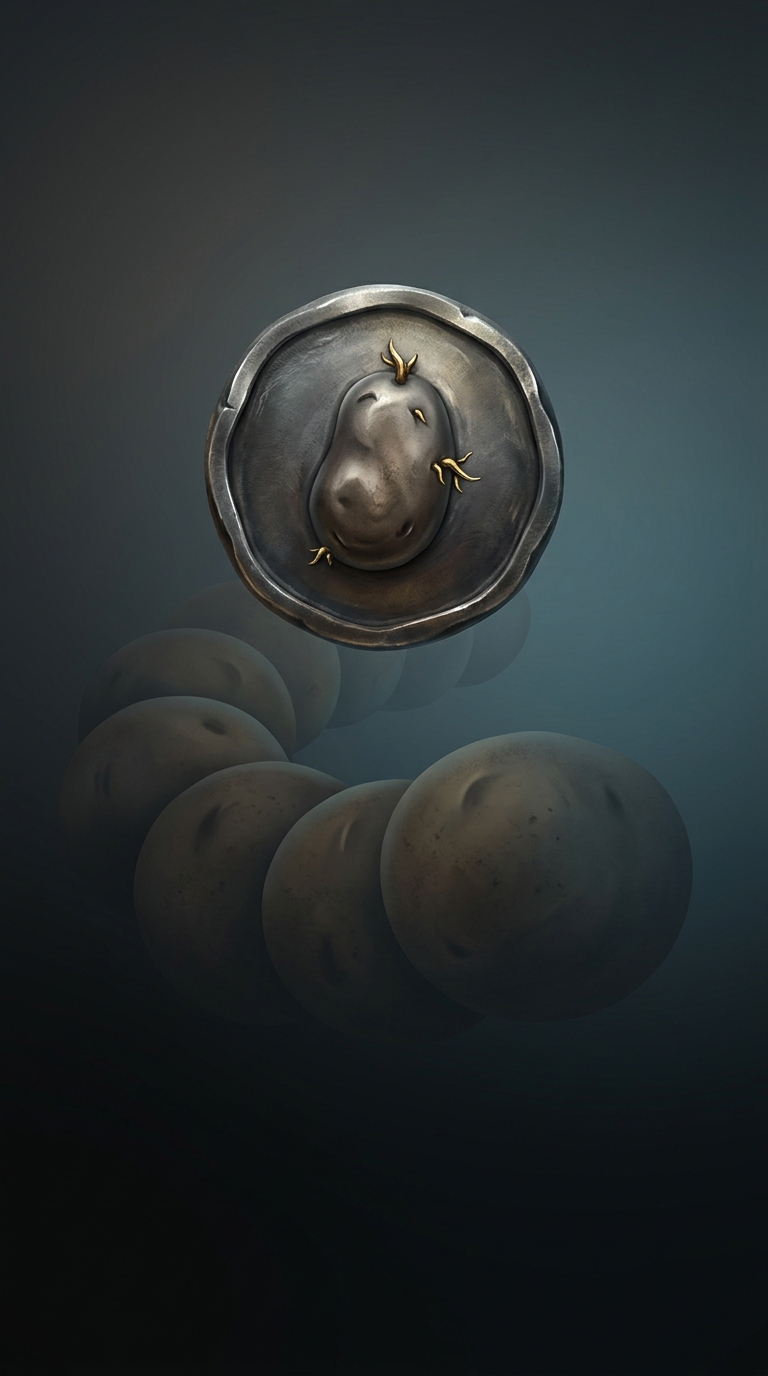
Inhabitants of the incredibly remote volcanic island of Tristan da Cunha briefly utilized the humble potato as their official, government-recognized form of currency during the nineteenth century due to a severe shortage of actual metallic coins. Because the isolated community rarely received supply ships and had absolutely no use for traditional paper money, the universally beloved, highly versatile root vegetable naturally emerged as the perfect medium of exchange for purchasing vital goods and communal services. While modern economists constantly argue over the theoretical backing of complex digital assets and the intricate stability of the gold standard, these resourceful islanders figured out a financial system you could literally boil, mash, or stick in a stew. It perfectly highlights the completely arbitrary, entirely socially constructed nature of all human economies, proving that money is literally whatever a group of desperate people collectively agrees it is, even if it happens to be a starchy tuber covered in dirt