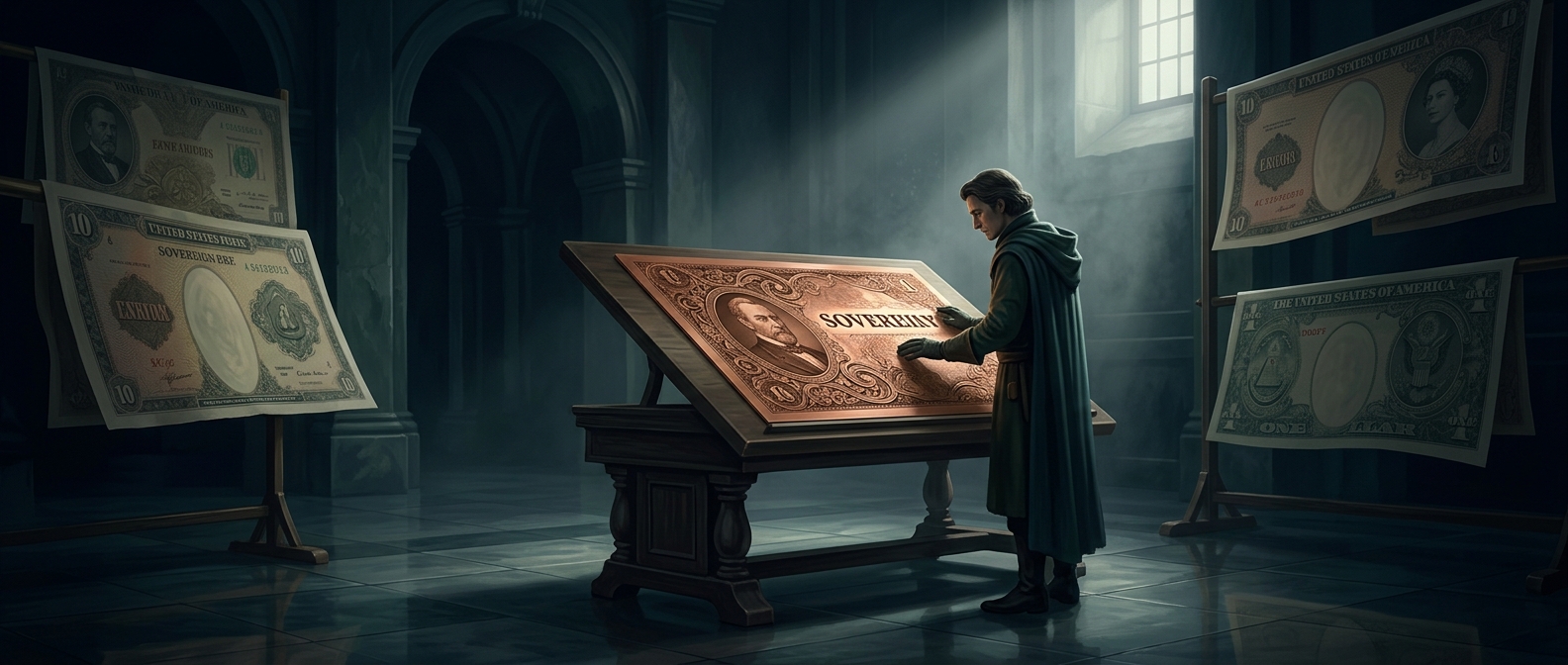
Why a Printing Error Can Add Collector Value
Money is meant to be uniform: each note should match an approved design, down to its wording. If a spelling error slips through production and a note enters circulation, that break from the standard design can make it unusual. Collectors may value the note not despite its flaw, but because the flaw marks it as an uncommon production mistake.
Rarity Is Only Part of the Price
A mistake does not automatically make a note valuable. The error must be genuine, and collectors need to distinguish it from damage, alteration, or a counterfeit. Rarity matters, but so do the note’s condition and the level of interest in that particular issue. A heavily worn note may attract less than a crisp one, while an error that is hard to verify may be difficult to sell.
The price is set by what buyers are willing to pay, not by the number printed on the note. Its face value still reflects ordinary currency; any added worth comes from the collector market, where unusual examples compete for attention.
That creates a small economic reversal: a defect that would normally mean a product failed inspection can become the feature buyers seek. The note’s mistake is also its evidence that it departed from the intended design.