How the tendon takes a load
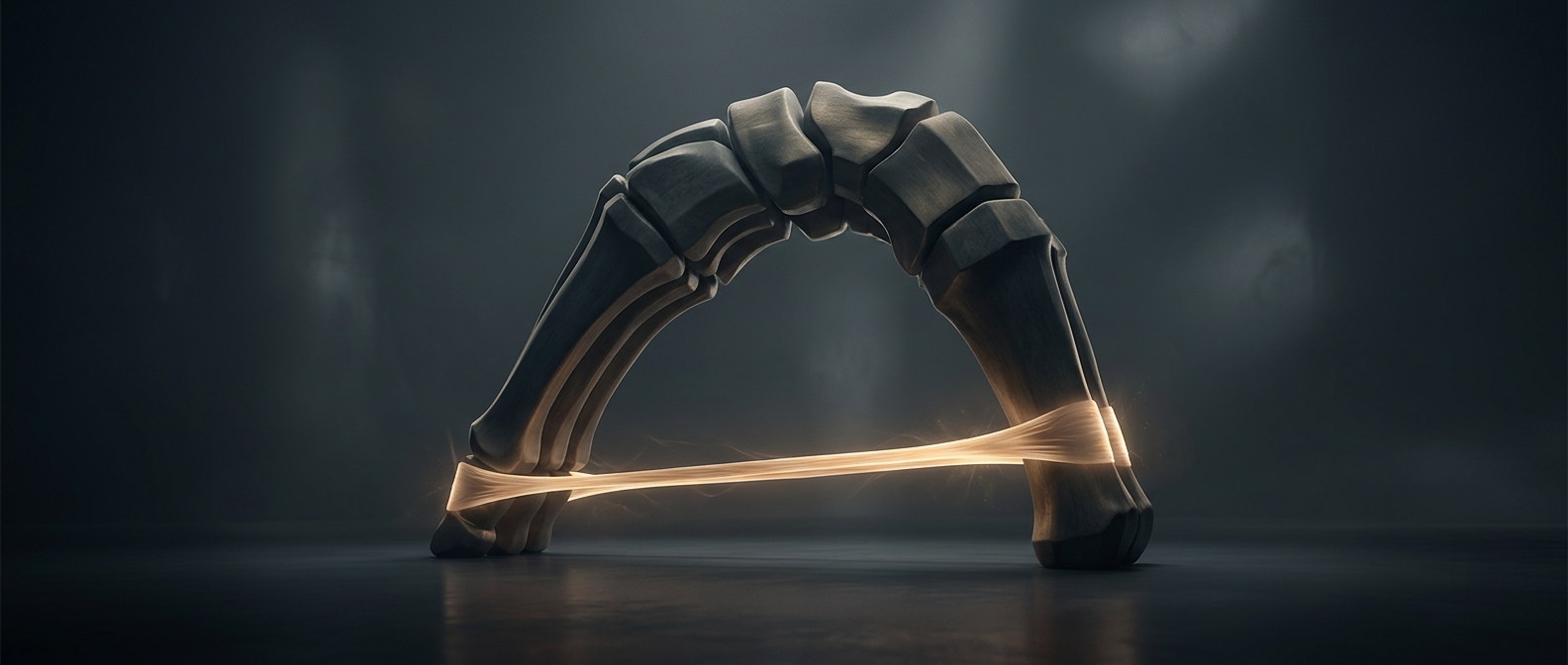
The Achilles tendon links the calf muscles to the heel bone. When those muscles pull as your foot meets the ground, the tendon is tensioned and stretches slightly. Its collagen fibers—strong strands arranged to resist pulling—deform under that force, much like a spring that gives a little rather than a loose elastic band.
That small stretch matters because it lets the tendon temporarily hold energy from the muscles and the moving body. As the foot rolls toward lift-off, the tendon recoils and returns some of that stored energy to the movement. It does not make energy from nothing: the muscles still supply it, while the tendon helps store and release it at a useful moment.
Why the timing helps
During a step, the calf muscles do not have to provide all their force through continuous shortening. The tendon can stretch while the muscles are producing force, then recoil as the foot pushes away. This division of labor helps make repeated walking and running more economical than if the muscles had to generate every part of each push directly at that instant.
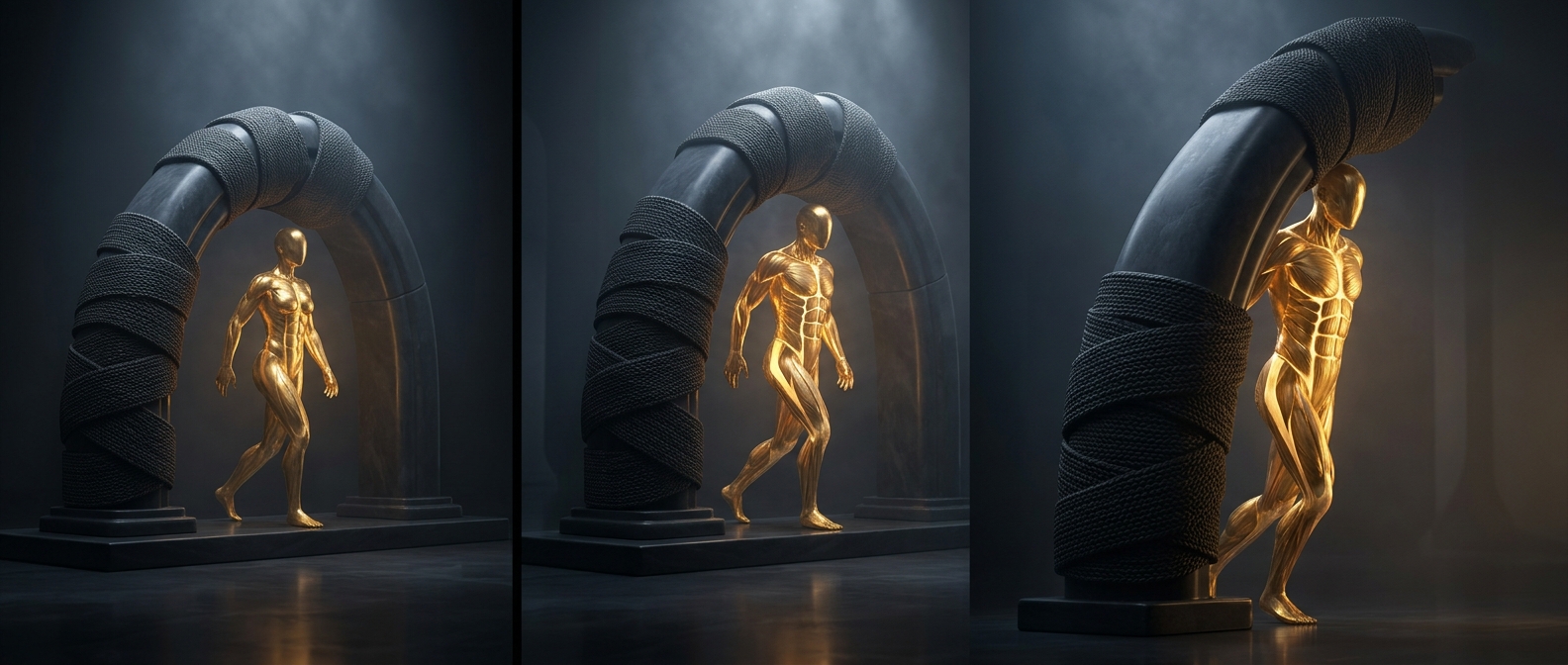
The effect is especially easy to picture in a running stride: the tendon is loaded as the foot supports the body, then releases as the heel rises. The useful takeaway is that the Achilles is not merely a tough cable transmitting muscle force. Its slight, repeated stretch is part of how a step stores energy and returns it for the next push.