Why a violent death seemed to matter
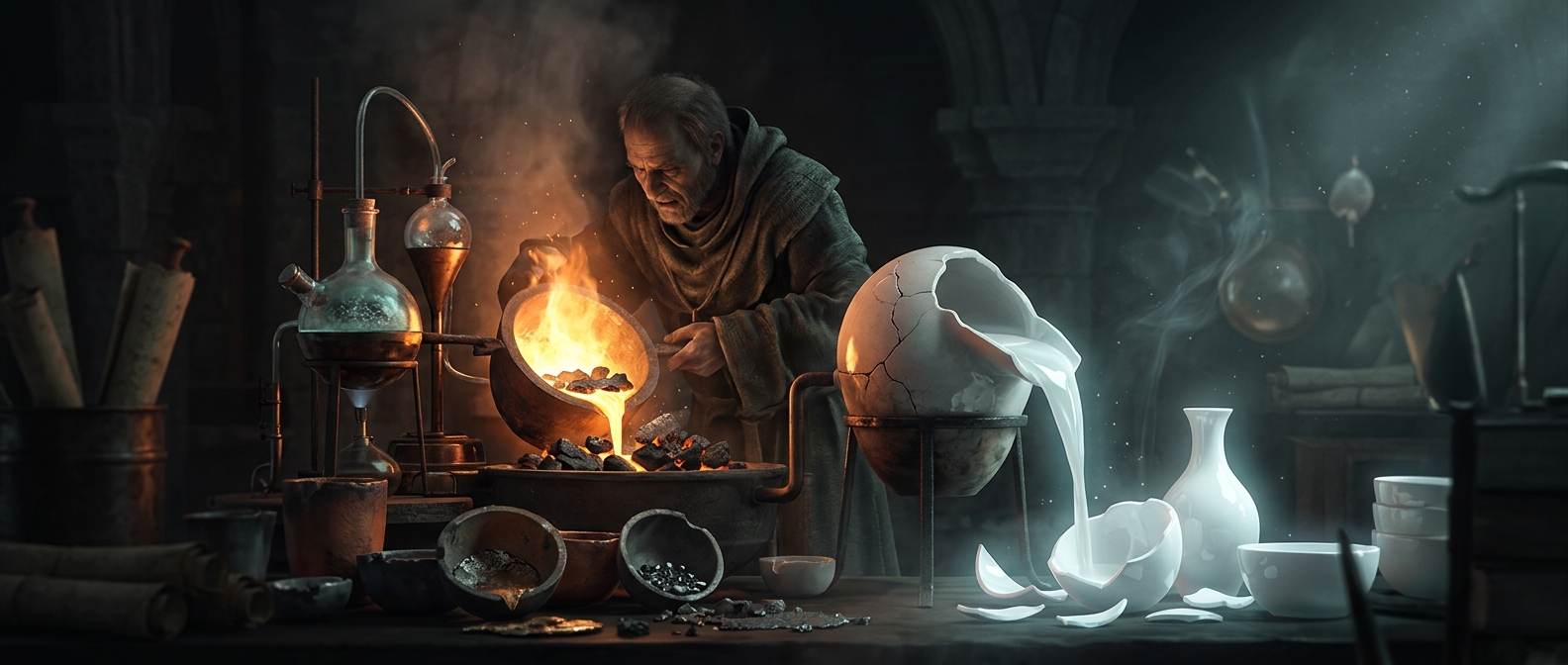
In parts of early modern Europe, blood and other human remains could be treated as remedies or ingredients in magical practice. The belief rested on an idea of bodily vitality: blood was thought to carry life’s force, and a person’s sudden, violent death could make that force seem unusually concentrated. This was a historical belief, not evidence that the remains had special powers.
Ideas and practices varied by place and period. The condemned person’s blood might be sought for healing, while fat or bone could be used in remedies or charms. Such uses overlapped with an era when medicine, alchemy, religion and folk magic did not always occupy sharply separate worlds.
The scaffold as a point of supply
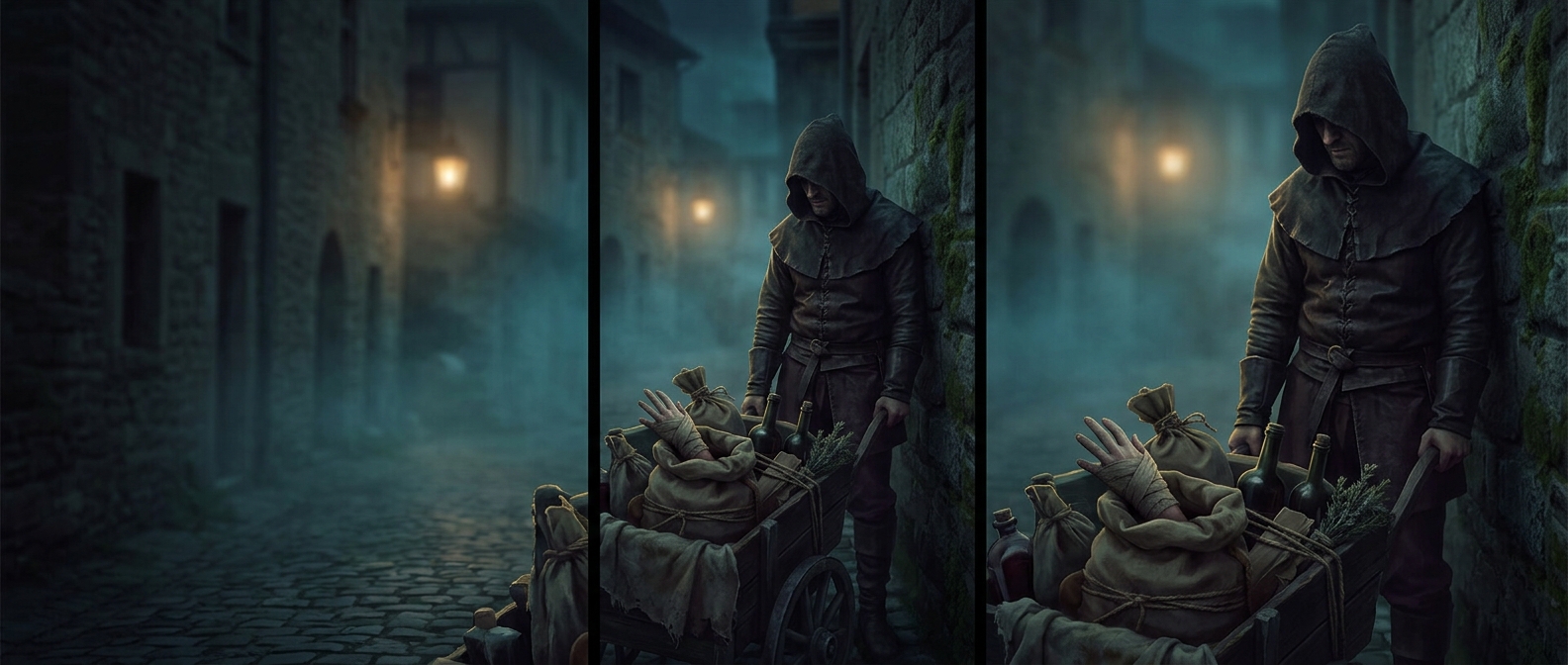
An executioner had unusual access to a body at the moment when its parts were believed to be most potent. Buyers could gather near the scaffold, and blood could be collected and bottled for later sale. Apothecaries might supply remedies, while other customers sought materials for magical purposes.
That arrangement turned an execution into more than a public punishment: it could also become a market. The supposed value came from the circumstances of death as much as from the substance itself—a belief that helps explain why the scaffold drew people hoping to obtain blood before the moment, and its perceived power, passed.