A Library Had to Be Rebuilt Every Generation
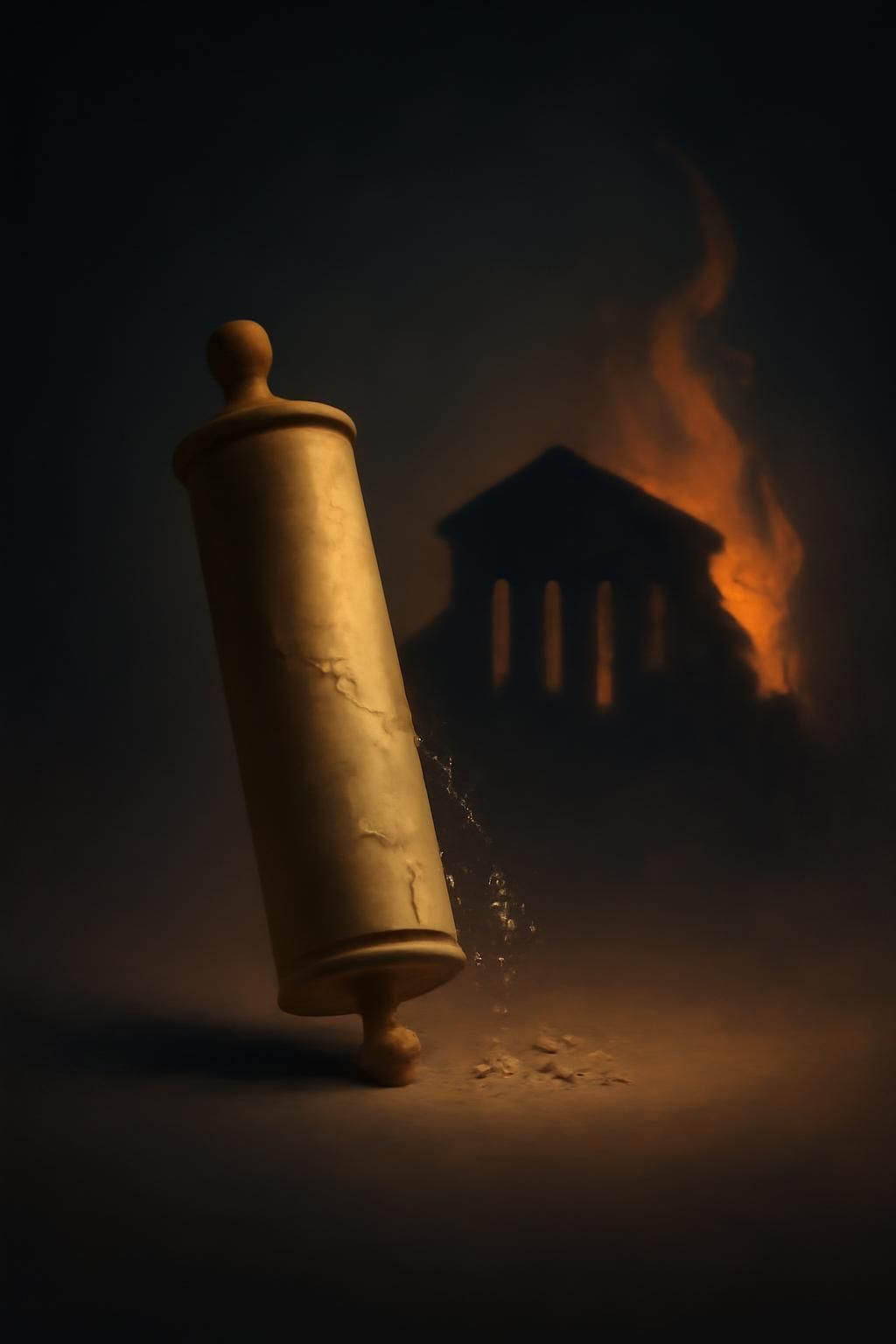
A scroll did not remain readable simply because it had once been placed on a shelf. Papyrus could wear out, and a text survived only if someone made another copy before the old one became unusable. That meant the Library of Alexandria’s continuity depended on a chain of practical work: acquiring texts, paying scribes, organizing collections, and supporting scholars who used and copied them.
The library was part of a royal scholarly institution, not a self-sustaining archive sealed off from politics. When rulers and priorities changed, the resources and attention behind that work could change too. A collection might still exist while its ability to grow, circulate, and renew itself weakened.
How a Collection Can Disappear Without One Final Fire
Ancient books were also vulnerable to the ordinary movement of history. A scroll could be lost, damaged, or left behind when people and institutions shifted. If no new copy entered circulation, a work might vanish even without a dramatic attack on the library itself. Meanwhile, scholars elsewhere could keep some texts alive by copying them, while others fell out of use.
This helps explain why the library’s end is difficult to reduce to a single event. Alexandria’s famous collection was not a modern archive with one complete catalog and a clear closing date; accounts of its fate are fragmentary, and more than one episode of damage may have mattered. The lasting loss was not only a building or a room of scrolls, but the failure of the copying and scholarly networks that kept knowledge available.