Why a Slatted Wardrobe Can Hide You
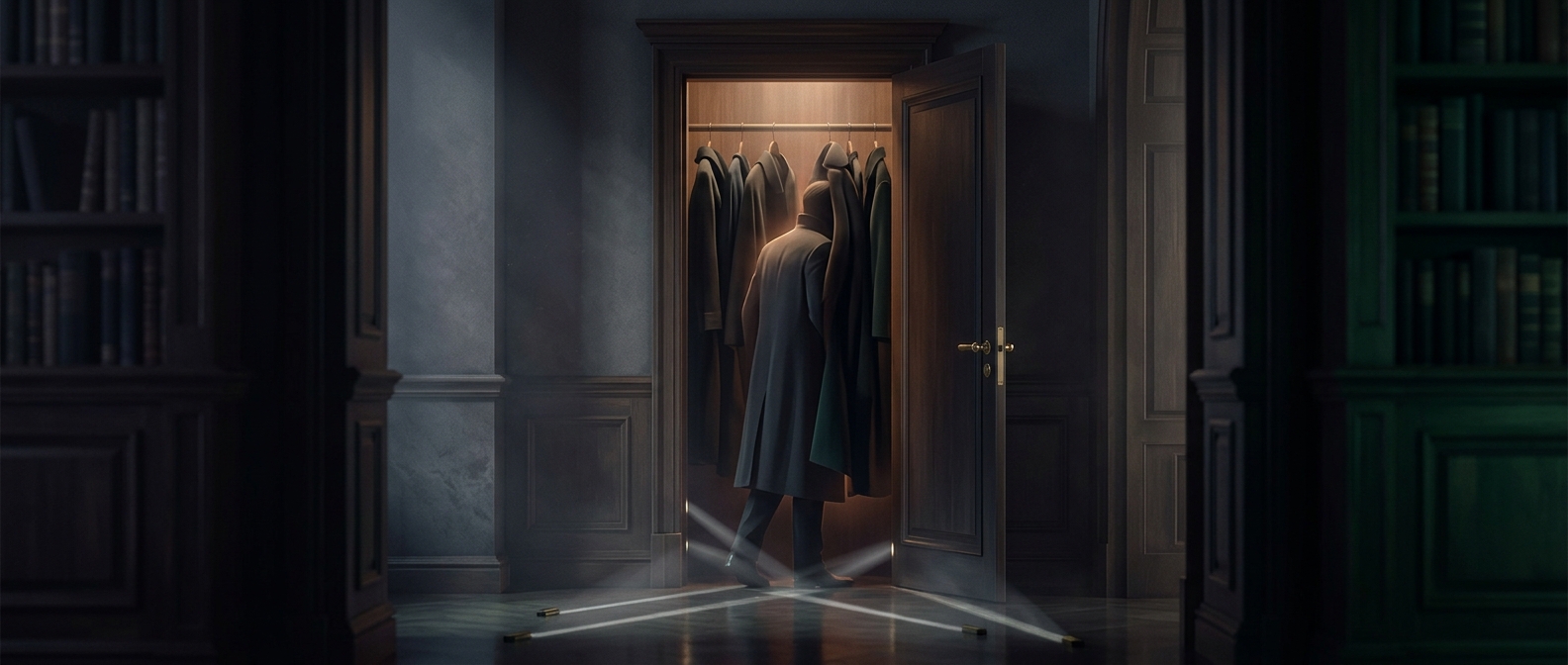
A slatted wardrobe seems like a poor hiding place: its gaps leave the character visible, and the rattling door may make the hiding spot obvious. Yet in many games, hiding is governed less by what the player can see than by what the game’s detection system recognizes.
The wardrobe can act as a designated safe zone. Once the character enters, the game may mark them as hidden and stop enemies from detecting them, even if the animation still shows breathing or movement. The slats and shaking door preserve the appearance of danger without necessarily changing the underlying rule.
The Rules Behind the Illusion
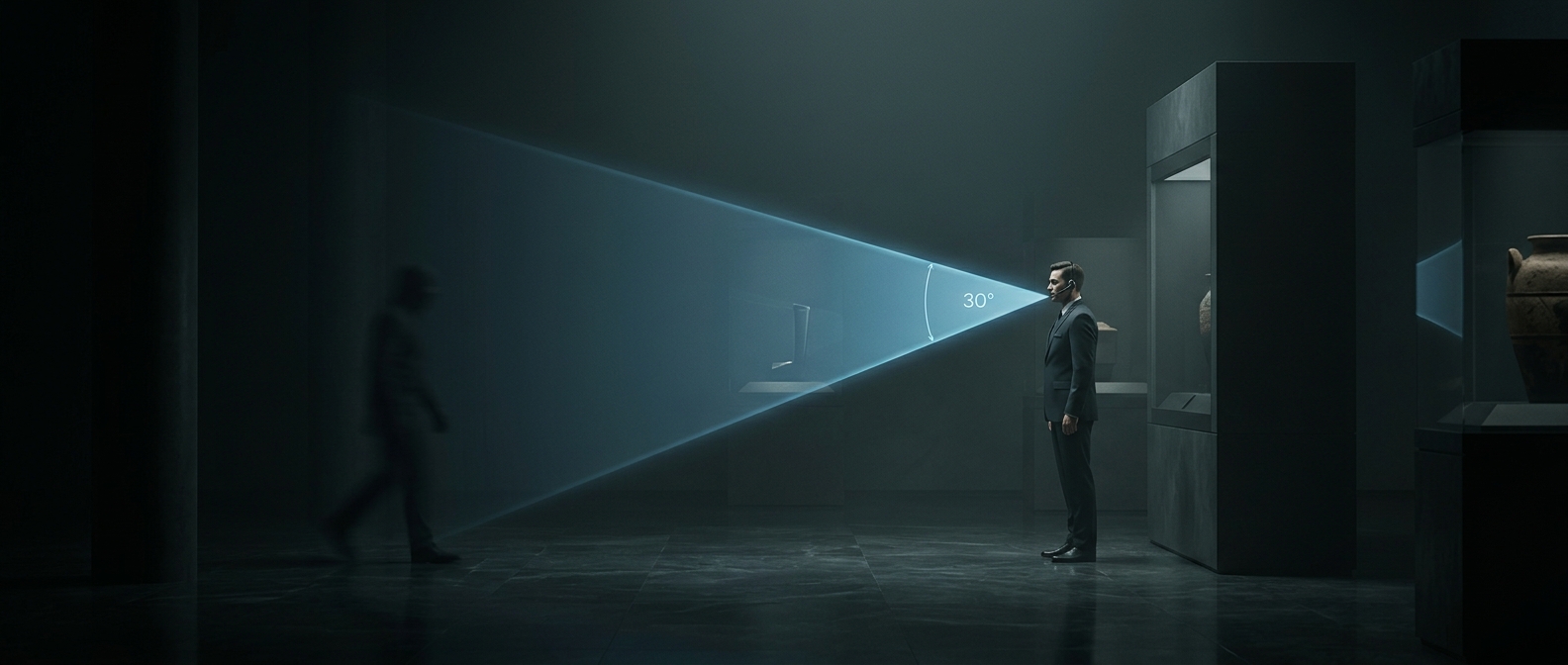
A game often simplifies perception into checks: Is the player inside a hiding place? Are they in an enemy’s line of sight? Are they making a sound that crosses a detection threshold? A wardrobe can override some of those checks, so a searcher can stand nearby and still fail to find the character. The exact behavior depends on the game; some hideouts may only protect against sight, while others also suppress sound or detection more broadly.
That separation lets designers create suspense without requiring enemies to simulate human vision perfectly. The player sees clues that suggest exposure, while the game’s rules preserve a clear, learnable boundary: enter the hiding spot and remain hidden, unless a specific action or scripted event breaks the protection.
A Useful Tradeoff for Designers
This is also a way to make stealth readable. If every crack in a door could expose the player, hiding would feel unpredictable; if the wardrobe looked completely sealed, it might feel safe rather than tense. The visible slats and trembling door communicate risk, while the protected state gives the player a dependable choice. The result is a small but effective illusion: the character looks nearly discovered, yet the game treats the wardrobe—not the character’s apparent visibility—as the decisive fact.