Why cramps can radiate beyond the uterus
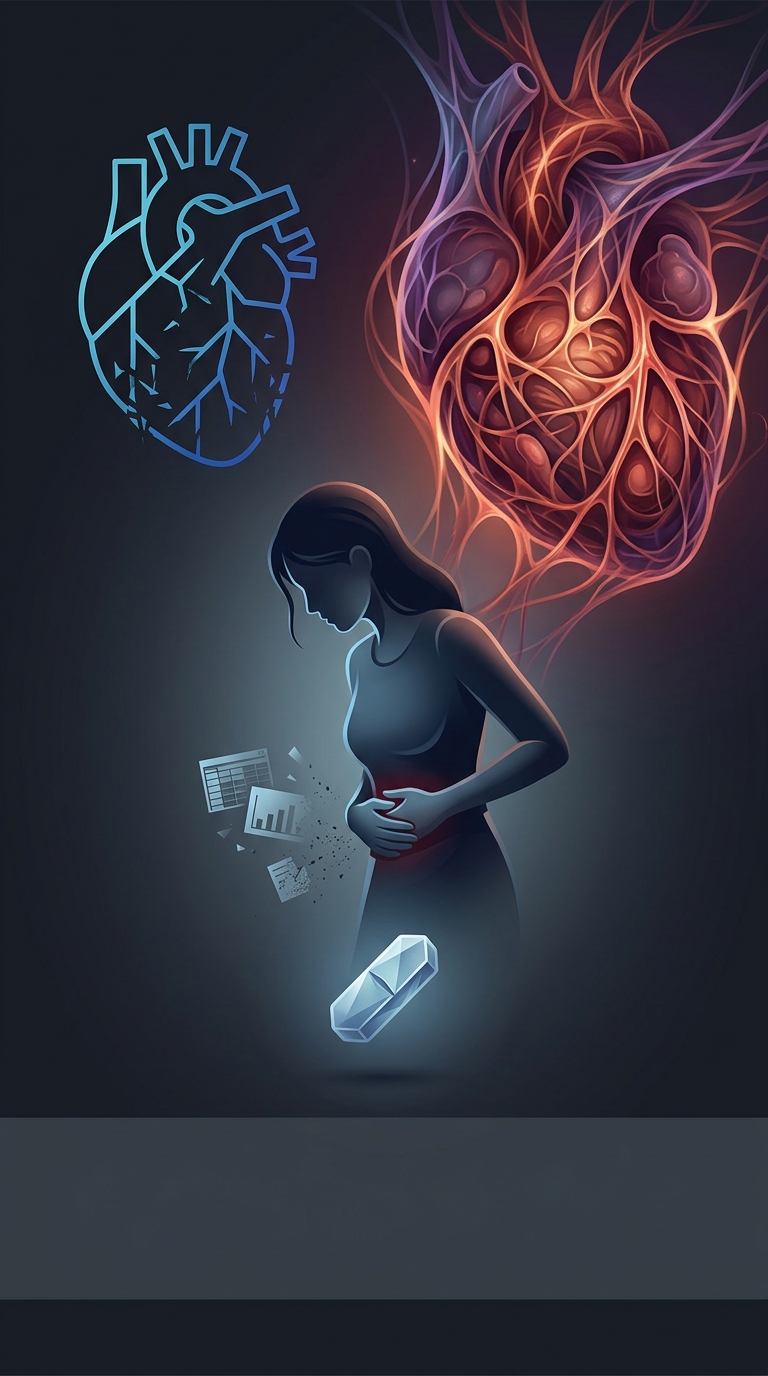
As the uterine lining breaks down, it releases prostaglandins—chemical messengers that encourage the uterus to contract. The contractions help move the lining out, but they can also briefly squeeze blood vessels in the uterine muscle. Less blood flow means less oxygen reaching the tissue for a time, which can intensify pain.
Pain signals from the pelvis also share nerve pathways with signals from nearby areas. That is why cramps may be felt in the lower back or thighs, and why some people experience nausea, diarrhea, or a headache alongside them. These symptoms are not imagined simply because they are not visible from the outside.
When the pattern deserves attention
Typical menstrual cramps often begin just before or as bleeding starts and ease over the next few days. If pain is severe, worsening, or repeatedly disrupts school, work, sleep, or ordinary activities, a clinician can look for causes beyond routine menstrual cramping. Endometriosis is one possibility: tissue similar to the uterine lining grows outside the uterus and can provoke inflammation and pain, often in a recurring cycle.
A medical assessment can also help distinguish among other possible causes and guide treatment. The practical measure is not whether someone can push through the pain; it is whether the pain keeps limiting their life. Mentioning when it starts, how long it lasts, and what activities it prevents can give a clinician useful clues.