How Animalese turns text into a voice
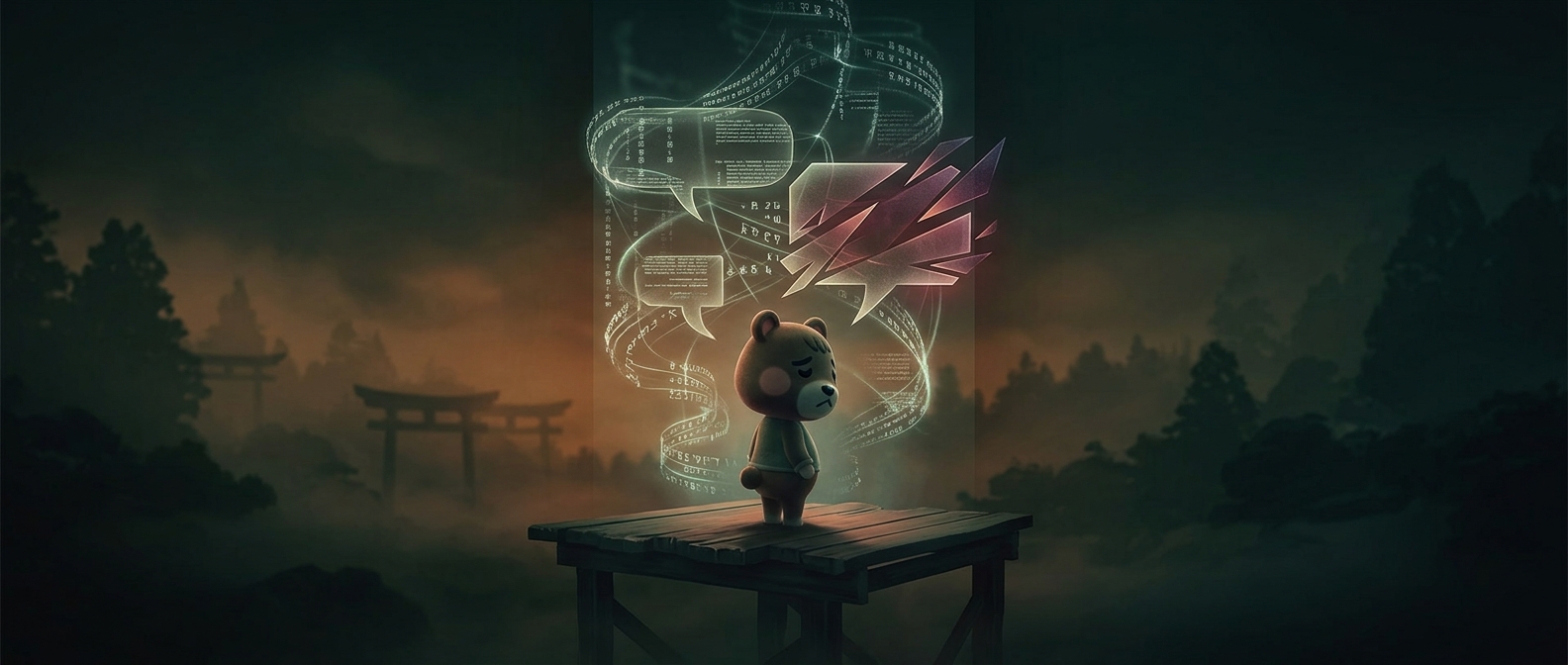
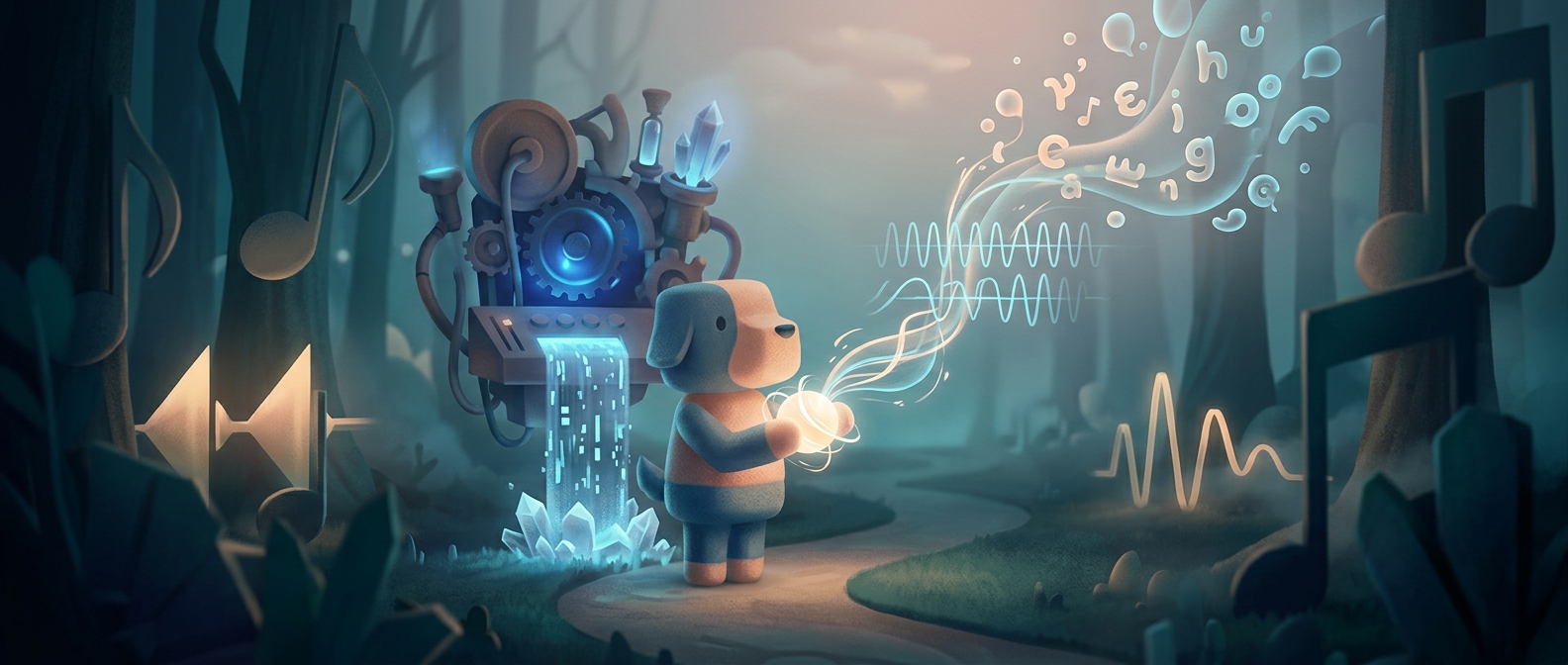
Animalese is generated from the dialogue rather than performed as a conventional voice line. A basic text-to-speech system reads the letters, and the resulting sound is sped up and pitched higher. The result is a quick stream of chirps and syllables that follows the written conversation without reproducing it as natural speech.
That distinction matters: players are meant to read the dialogue, not decode every sound. The voice supplies timing and personality while the text carries the precise meaning. Because the sound can be made from whatever line the game displays, characters can respond to many changing conversations without requiring a separate recorded performance for each one.
A voice that leaves room for reading
Speeding up the synthetic speech helps keep it from competing with the text on screen. Each line gets an audible, characterful delivery, but the player can move through the conversation at their own pace. The sound also makes a simple exchange feel more like a social moment: a greeting arrives with a little burst of voice, even though no natural-sounding sentence is spoken.
The tradeoff is deliberate. Animalese offers less expressive detail than a human actor’s performance, but it can accompany dialogue that changes from one interaction to the next. Its recognizable babble is not a hidden language to translate; it is the sound of the game giving written words a lively presence.