Why Bitcoin mining uses so much electricity
Bitcoin does not rely on a bank or central operator to approve transactions. Instead, computers around the world compete to add the next batch of transactions to a shared record, called the blockchain. To win, a miner repeatedly runs data through a cryptographic hash function—a mathematical process that produces a fixed-length output—until one attempt meets a difficult target.
Each attempt is easy to check but hard to find. Miners therefore make enormous numbers of guesses, and the network periodically adjusts the target so that new blocks continue to arrive at a roughly steady pace even as computing power changes. The guesses do not solve a practical scientific problem; their cost makes it expensive to tamper with the record.
The security mechanism has a physical cost
A successful miner can receive newly issued bitcoin and transaction fees. That reward gives operators a reason to buy specialized machines, run them continuously, and seek inexpensive electricity. Because the contest favors computing power, miners have an incentive to expand or replace equipment as competitors do the same.
The electricity is not consumed by the blockchain as an abstract database. It is consumed by the machines performing repeated calculations, along with the cooling systems needed to keep dense equipment from overheating. The scale of that demand can rival the electricity use of countries, though the comparison depends on the period and on how estimates are made.
Where the impact comes from
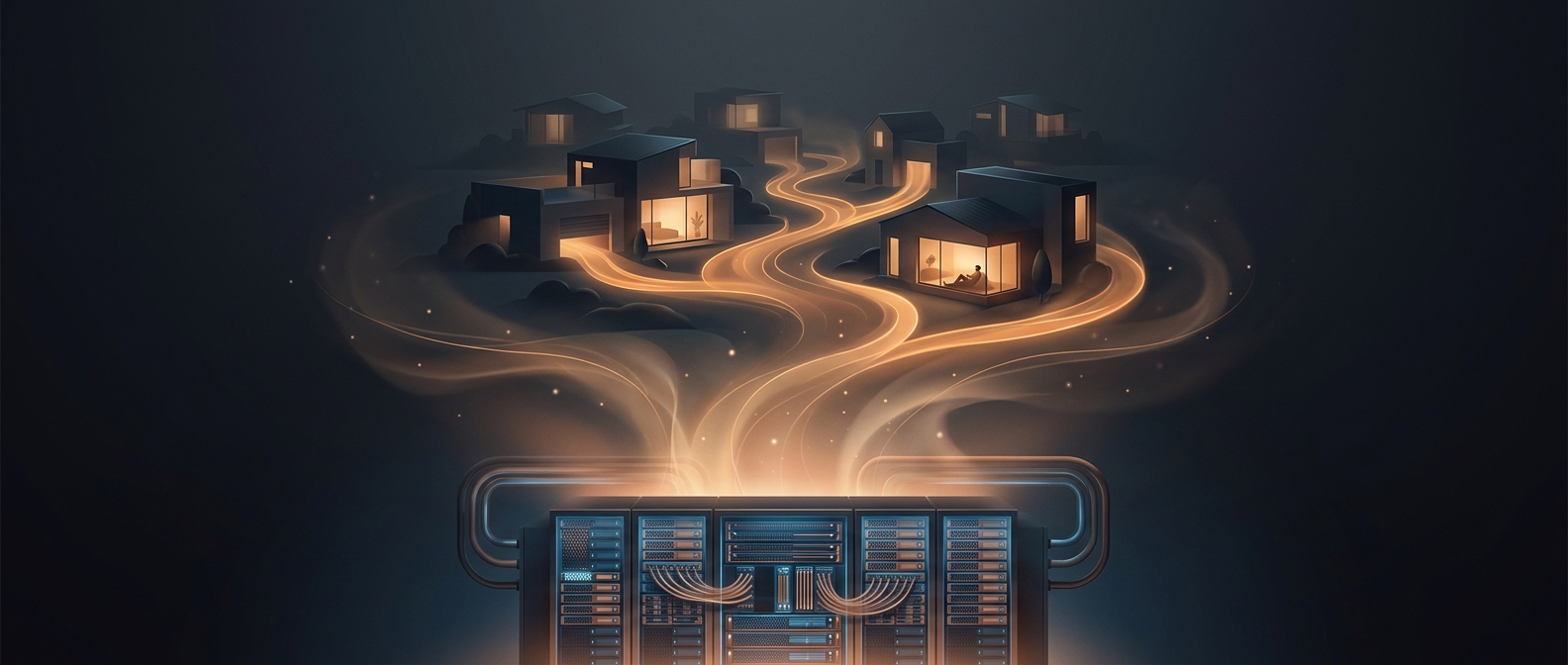
Mining’s climate impact depends not only on how much electricity it uses but also on how that electricity is generated. Power from coal or gas produces more greenhouse-gas emissions than power from low-carbon sources. Concentrated demand can also matter locally: a large operation may compete with homes and businesses for grid capacity, especially when power is scarce.
This is the central tradeoff of Bitcoin’s proof-of-work design: the network uses energy expenditure as a barrier against altering its transaction history. That security is distributed across many independent operators, but it is not free. The machines’ nonstop race turns a digital ledger into a very physical demand for power, cooling, and hardware.