How a fictional world becomes a mental destination
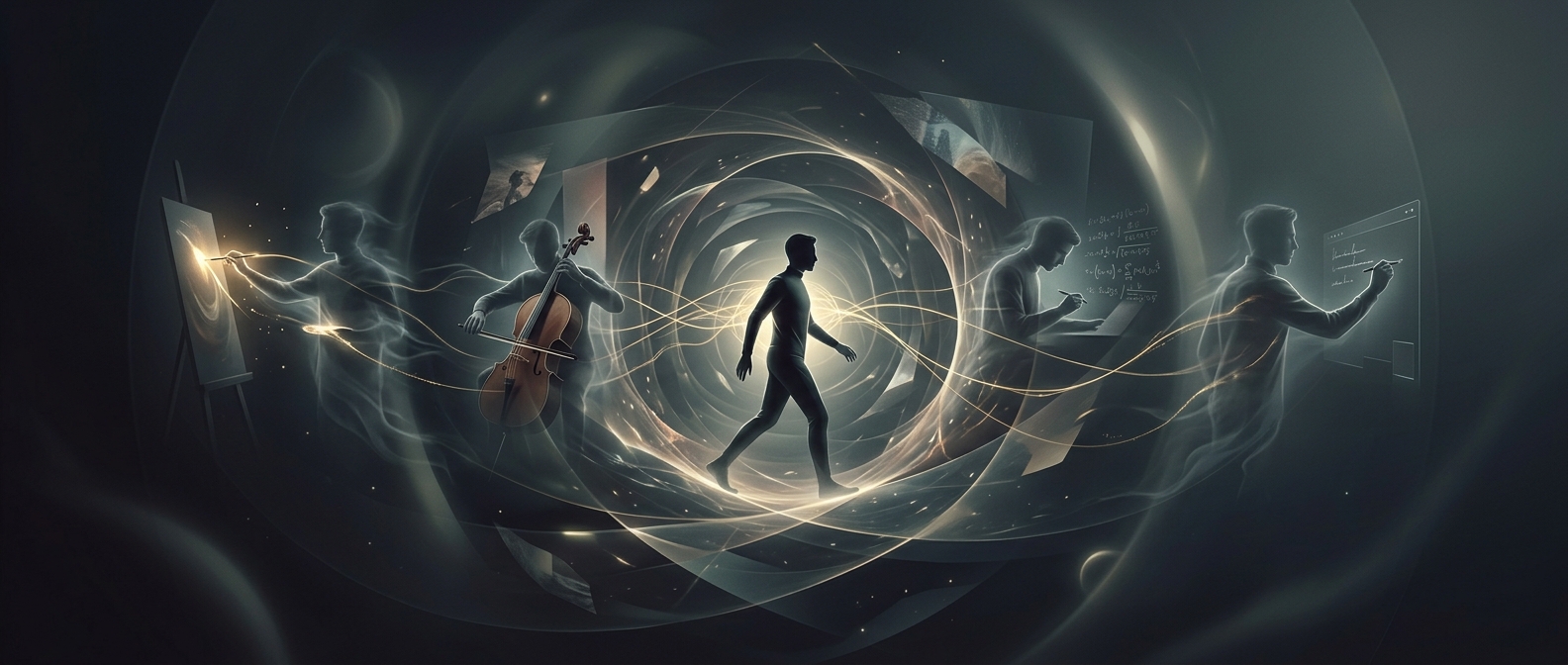
In online “reality shifting” communities, a script is less a story meant for an audience than a plan for an imagined experience. A practitioner may note where they want to arrive, who they expect to meet, and what the setting should feel like. Those details give the mind a set of cues to return to, much as picturing a familiar room can make it easier to imagine moving through it.
Audio tracks can support the same process. Repeated words, music, or guided imagery may help narrow attention and settle the listener into a drowsy, absorbed state. With fewer distractions, imagined scenes can feel unusually vivid or continuous. That does not establish that consciousness has literally traveled to another dimension; it helps explain why the experience can feel like more than casually making up a scene.
Why practitioners call it shifting
The language matters within the community. Describing a fictional setting as a place one can “go” gives the practice a structure and a shared vocabulary, while the script lets each person shape the version of that world they hope to encounter. For some teens, it can be a form of imaginative play, emotional comfort, or exploration of identity and relationships—not simply watching a story unfold.
The distinction between a vivid inner experience and an objectively separate world is central: practitioners may understand the experience spiritually, while the script and audio are observable tools for directing attention and imagination. The striking part is how a written plan and repeated cues can make a world from fiction feel, for a time, like a place with a route in.