Why a real happy moment can feel like a performance
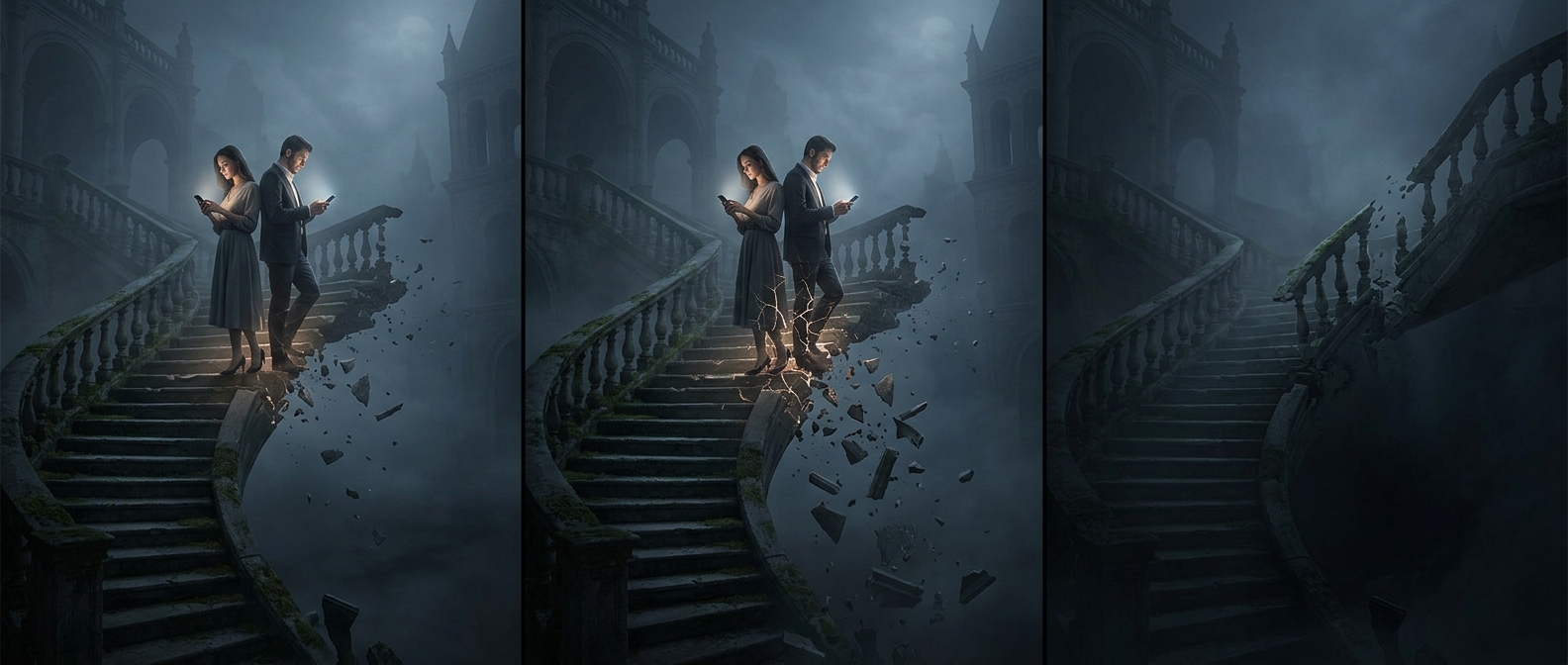
A joyful experience changes when you start presenting it to an audience. While you are living the moment, your attention is on the people, place, or event. Once you choose a photo, write a caption, and imagine how others will react, part of your attention shifts to how you appear. That shift can make even genuine happiness feel staged.
Psychologists sometimes describe this as self-presentation: adjusting what you show so other people will form a particular impression. It is not automatically dishonest. You might share a celebration because you feel grateful or want friends to join in. But the act of selecting and framing the moment can make you notice the gap between experiencing happiness and displaying it.
The feed makes the gap more noticeable
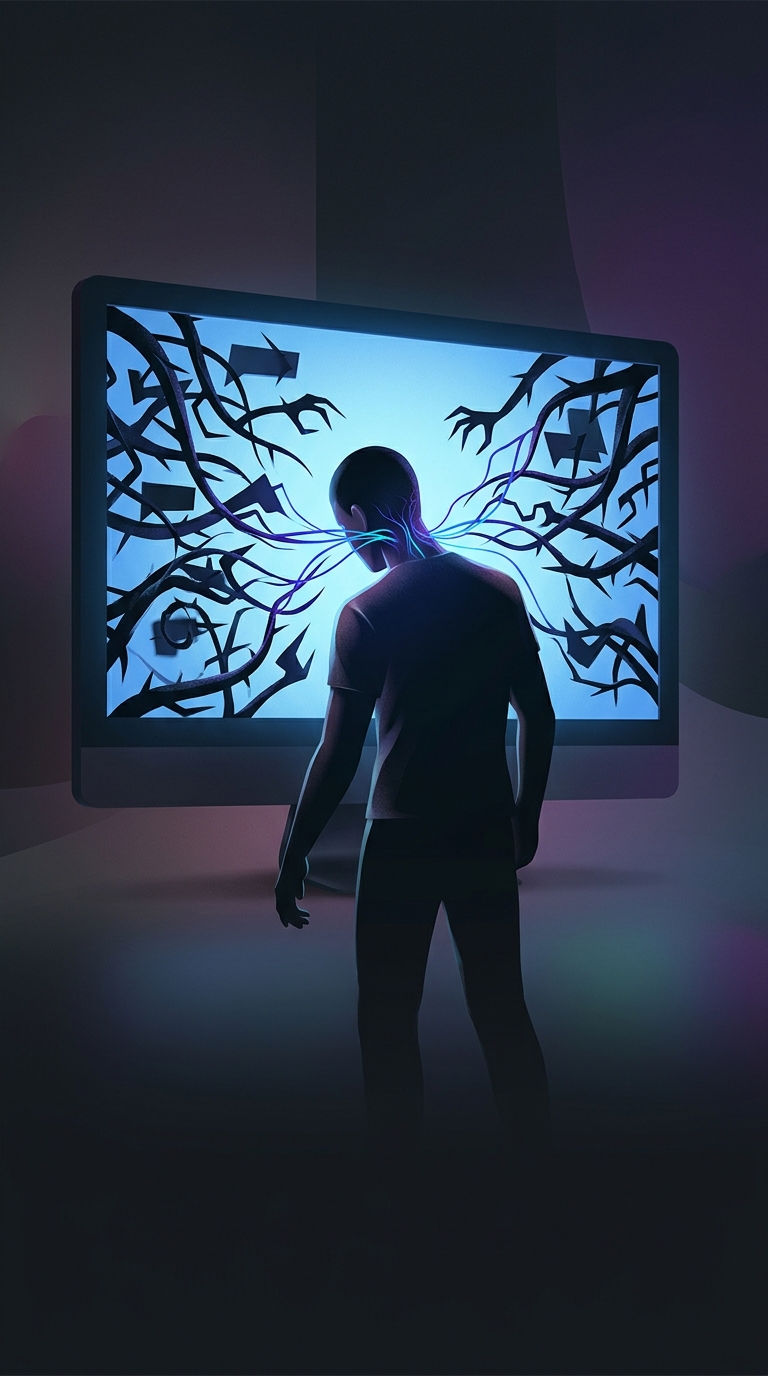
A social-media post is a small, edited sample of life. You choose the flattering image, leave out the awkward parts, and compress an afternoon into a few seconds of attention. Viewers see the finished version, while you remember the effort behind it—and everything that did not make the post. That contrast can leave you feeling as if you are playing a role, even when the event and the happiness were real.
The feeling may also come from anticipating judgment: Will this look boastful, needy, or too carefully composed? Trying to manage those possible reactions can pull you further away from the original feeling.
That unease does not prove the happiness was fake. It may simply be a signal that sharing an experience and performing it are happening at the same time—and that the audience has become part of the moment.