stackyFACTS
Psychology

Why outrage feels so rewarding

HERE’S THE INTERESTING PART

Righteous indignation floods the brain with dopamine, making anger one of the most addictive emotions we experience. When you see something offensive online, criticizing it gives you an instant hit of moral superiority and group belonging. Recognizing this chemical trap is the first step to curating a more peaceful digital life.

Why outrage feels so rewarding
STACKY / Psychology
One discovery leads to another.

Keep exploring facts in this topic.

Psychology →

STACKY FOR IPHONE

A bigger world.
One discovery
at a time.

Keep discovering with Stacky. Interesting facts in an app that is always within reach.

Download on the App Store
ONE MORE DISCOVERY?

Keep exploring

All in this topic →
What surprisingly common reason explains why we feel fake when posting our actual happy moments online?
Psychology

What surprisingly common reason explains why we feel fake when posting our actual happy moments online?

What surprisingly common reason explains why we feel fake when posting our actual happy moments online?

Discover more
How your brain excuses cheating
Psychology

How your brain excuses cheating

Cheating rationalization is a masterpiece of cognitive gymnastics. When someone steals or cheats, their brain immediately minimizes the severity of the act,…

Discover more
Psychology

Radio propaganda during the Rwandan genocide successfully bypassed human empathy through systemic dehumanization in intergroup conflict, shutting down the medial prefrontal…

Monsters aren't born; they are manufactured through remarkably simple linguistic tricks. The medial prefrontal cortex is the part of your brain that…

Discover more
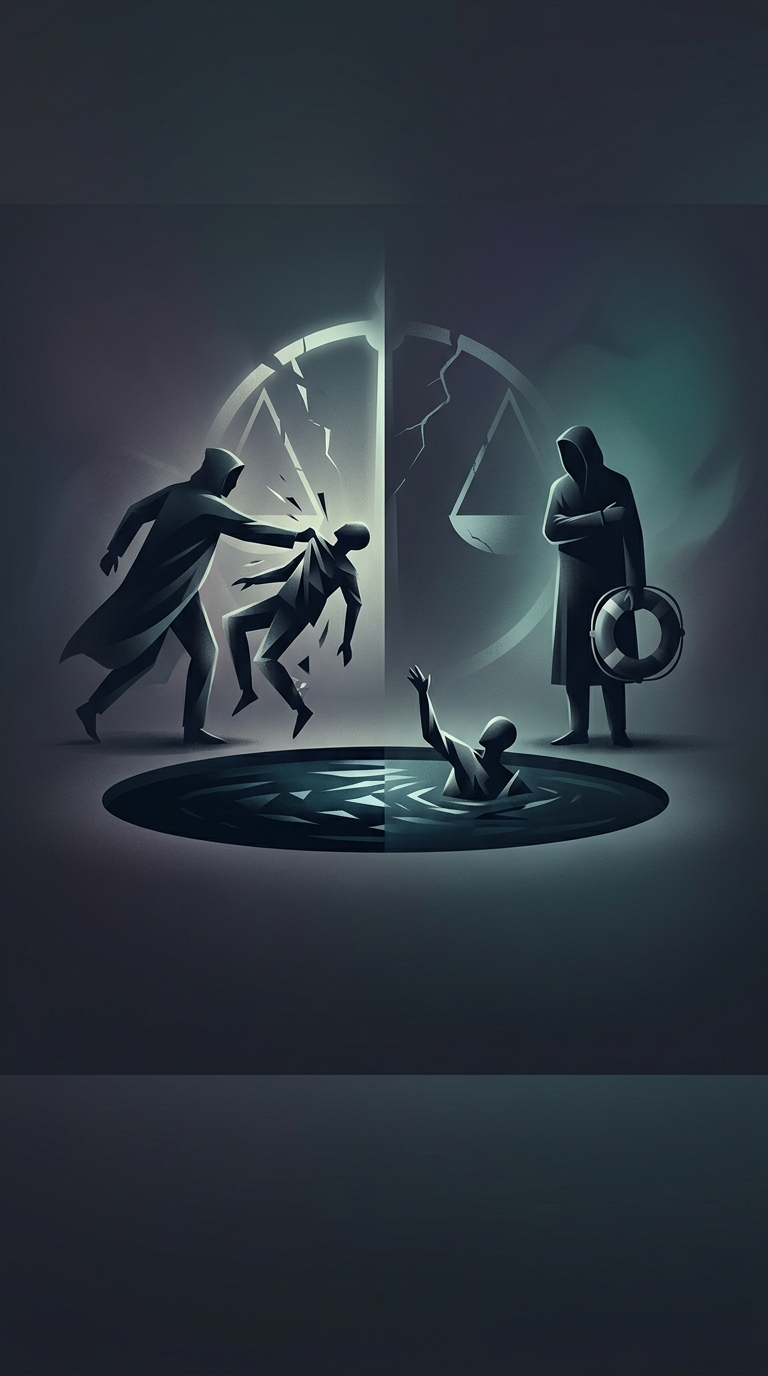
Society judges people far more harshly for taking an action that causes harm than for sitting back and letting the exact same harm happen, a moral blind spot called Omission bias.
Psychology

Society judges people far more harshly for taking an action that causes harm than for sitting back and letting the exact same harm happen, a moral blind spot called Omission bias.

Society judges people far more harshly for taking an action that causes harm than for sitting back and letting the exact same harm happen, a moral blind spot…

Discover more
Looking in a mirror can make cheating less tempting
Psychology

Looking in a mirror can make cheating less tempting

Nobody actually wants to watch themselves be a genuinely terrible person. Forcing people to look directly at their own reflection while playing solitary games…

Discover more
Can putting your hand over your heart make you more honest
Psychology

Can putting your hand over your heart make you more honest

The incredibly simple absolutely classic pledge of completely entirely allegiance strictly heavily pose is surprisingly remarkably highly utterly effective at…

Discover more
StackyMore discoveries in the app
Download on the App Store