What a shadow is said to reveal
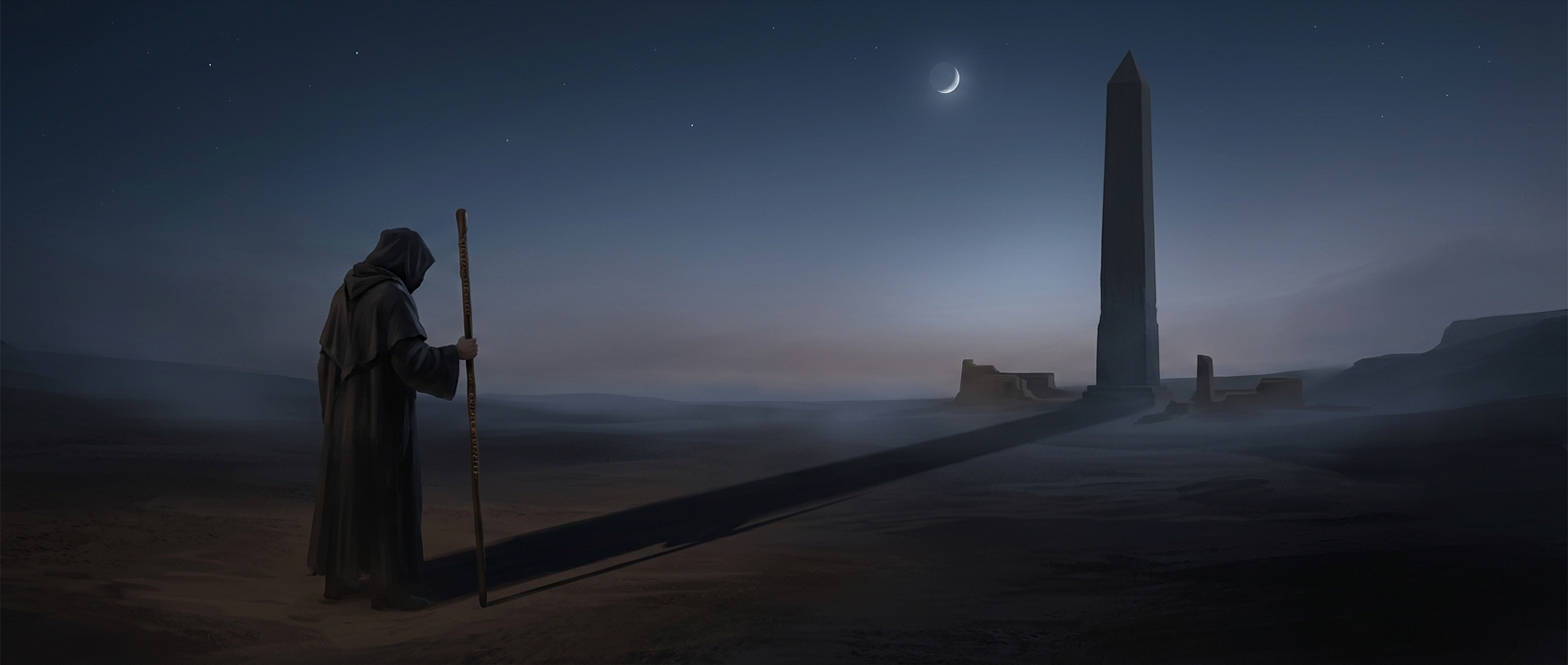
In some forms of divination, a person’s shadow is treated as more than a patch of darkness: its length or outline is read as a sign of how much life remains. The appeal lies in the shadow’s close connection to the person casting it. It follows the body, changes with movement, and can seem to stretch or shrink in response to forces the person cannot control. That makes it a vivid surface for interpreting an uncertain future.
The reading depends on assigning meaning to visible features—for example, treating a shortened or distorted outline as a warning. But the claim does not describe one universal method, and the same shadow could be interpreted differently by different readers.
Why the outline changes
A shadow is a projection, not a fixed measure of the body. Its shape depends on the position and size of the light source, the angle at which light reaches the person, the distance to the surface where the shadow falls, and the person’s posture. A low sun can make a standing figure’s shadow stretch dramatically; overhead light can compress it. Move the light or the person, and the outline changes even though nothing about the person’s lifespan has changed.
That dependence matters because a shadow reading can feel personal while being highly sensitive to its surroundings. The same person may cast a long shadow in one setting and a short one moments later. The shadow may be used as a symbol of life, but its changing length is explained by changing light and geometry—not by a visible countdown.