Why a laugh can arrive before understanding
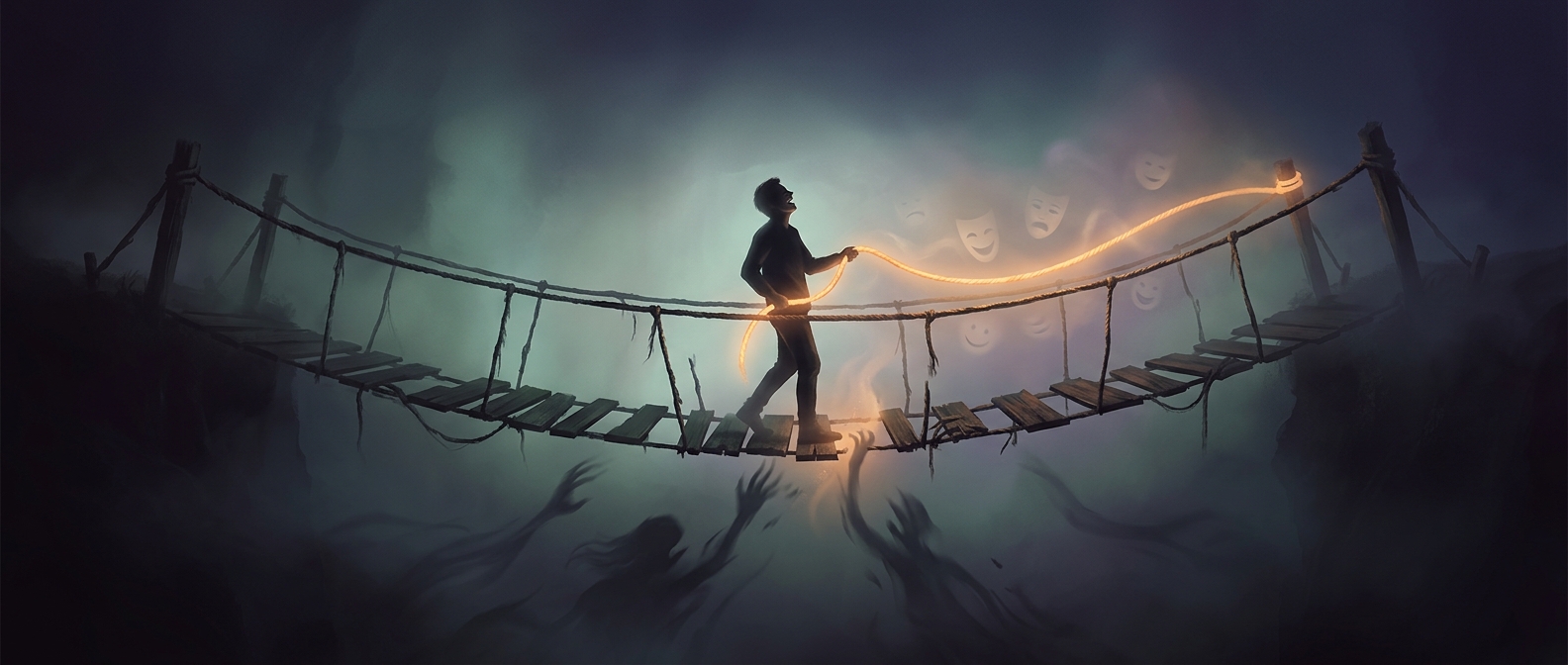
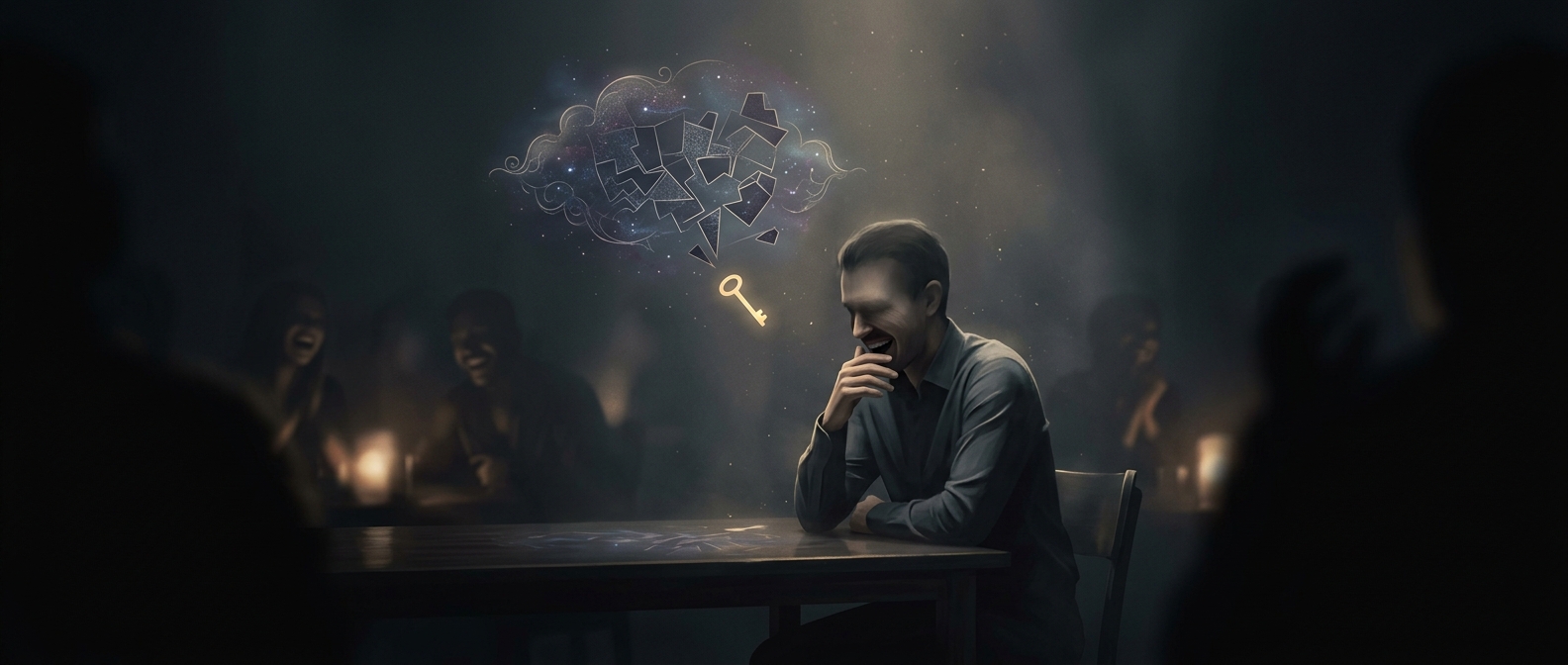
A joke creates a brief social test: the speaker offers a cue, and listeners show whether they have recognized it. If the meaning is unclear, laughing can buy a moment without making the gap obvious. It is a familiar response that keeps the exchange moving while the listener works out what was meant—or waits to see how others react.
Laughter does more than signal amusement
In conversation, laughter can communicate friendliness and ease as well as humor. A small laugh may tell the speaker, “I’m engaged with you,” even when it does not mean, “I understood that joke.” This matters because silence is harder to read: it might mean confusion, disapproval, distraction, or simply that the joke did not land.
People also take cues from one another. Hearing others laugh can make a listener more likely to join in, because the group’s response offers a quick hint about what kind of moment this is. The laugh becomes a form of social coordination, not just a private verdict on whether something was funny.
The cover has limits
A laugh can smooth over uncertainty, but it does not solve it. If someone asks a follow-up question or the conversation turns on the joke’s meaning, the missing punchline may become clear. That is why an awkward laugh can feel like a tiny delay: it preserves the connection for a beat while understanding catches up.