A Gallery Turns Looking Into a Sequence
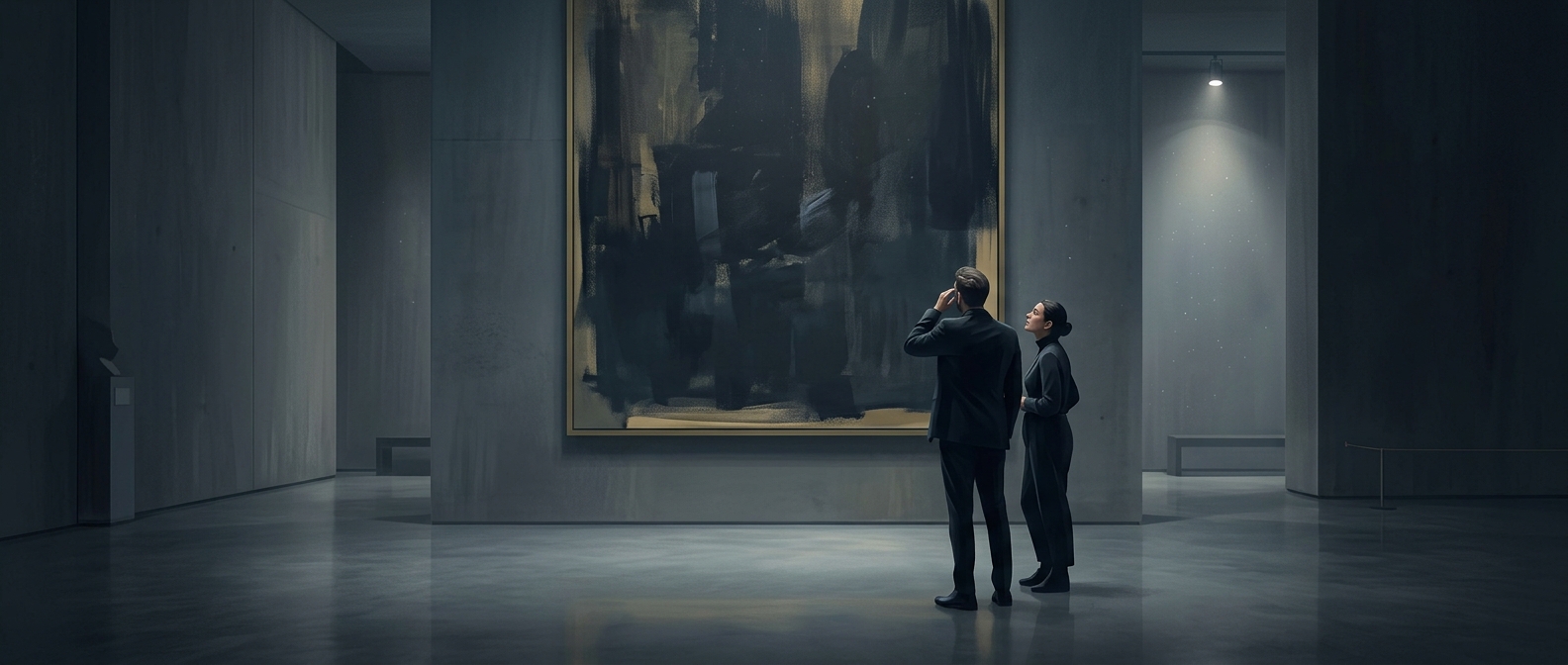
A room of paintings is not simply a collection hung wherever there is space. Curators choose which works share a wall, how far apart they sit, and what visitors encounter first. Those choices can make differences easier to notice: a sequence might reveal how an artist’s style changed, or how several artists treated the same subject. Even without a prescribed route, sightlines—the views opened up from one point in the room—can draw attention toward a particular work or invite comparison between two.
The arrangement also affects how long people stay with an object. A crowded wall encourages scanning; more space around a work gives visitors room to pause and take in its scale and composition. Labels add context, but placement matters: a visitor who looks from the artwork to a short explanation and back can connect the information to what is actually visible.
Light Makes Details Visible—and Sets Limits
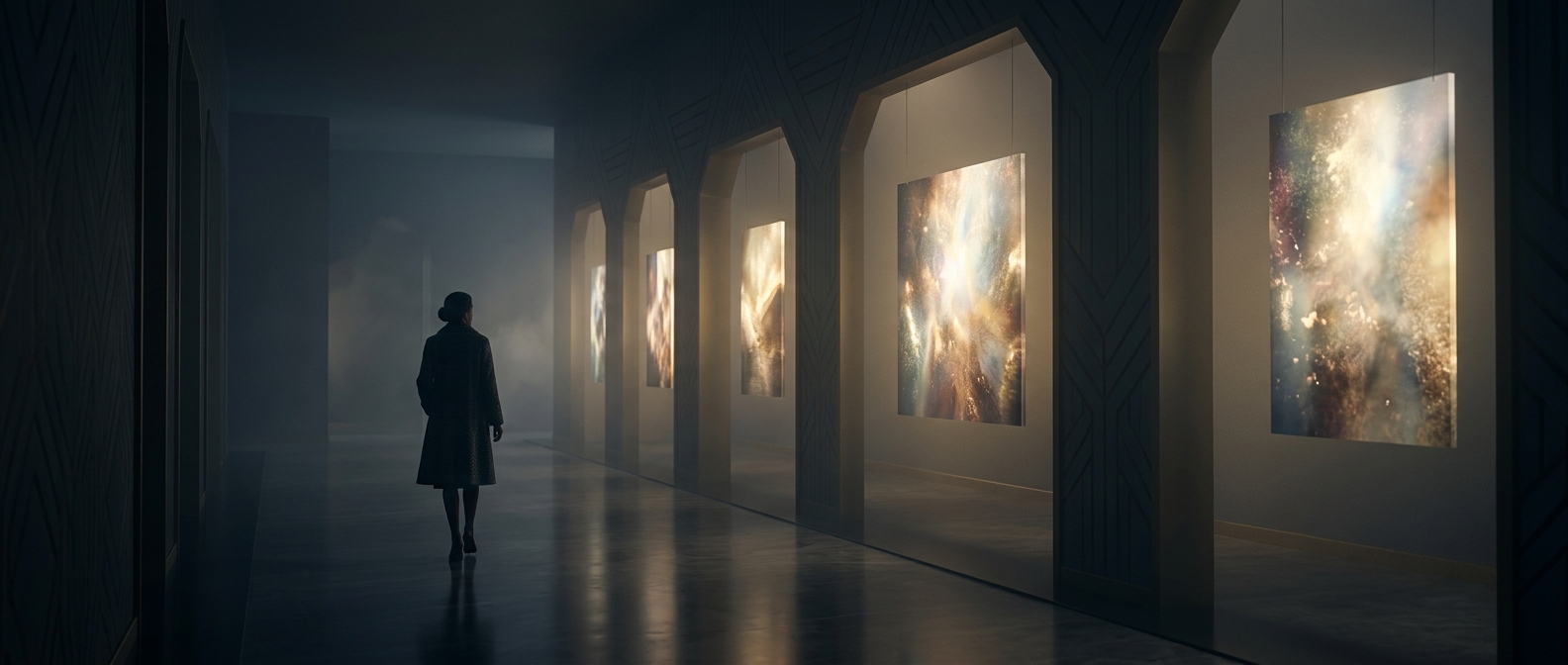
Light helps reveal texture, color, and fine marks, but it also affects how art ages. Bright light, especially light containing ultraviolet radiation, can gradually fade pigments and damage paper or textiles. Galleries therefore balance visibility with preservation, adjusting the amount and direction of light to suit the objects. A painting can be lit to reduce glare while still showing the uneven surface left by brushwork; delicate works may need dimmer conditions.
That balance shapes the experience as much as the layout does. Visitors can come close enough to inspect details, while the room’s lighting and arrangement quietly protect the work and direct attention. The result is not just a place to see art, but a setting that makes particular ways of seeing possible.