When an Abstract Painting Has No Obvious “Up”
A landscape usually gives the eye quick clues about orientation: sky belongs above land, and people and buildings tend to stand upright. An abstract painting may offer no such guide. Shapes, lines, and color fields can look equally plausible after a canvas is turned, especially when the composition does not depict recognizable objects.
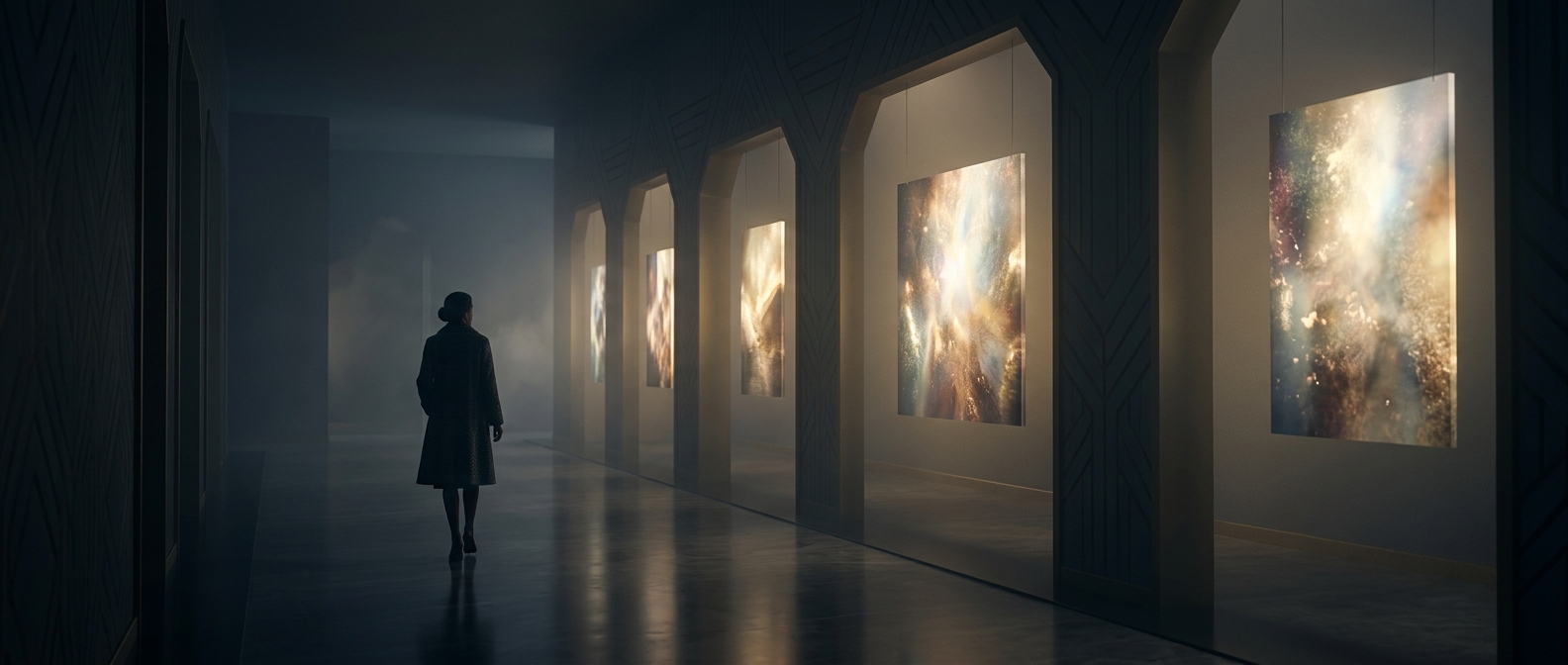
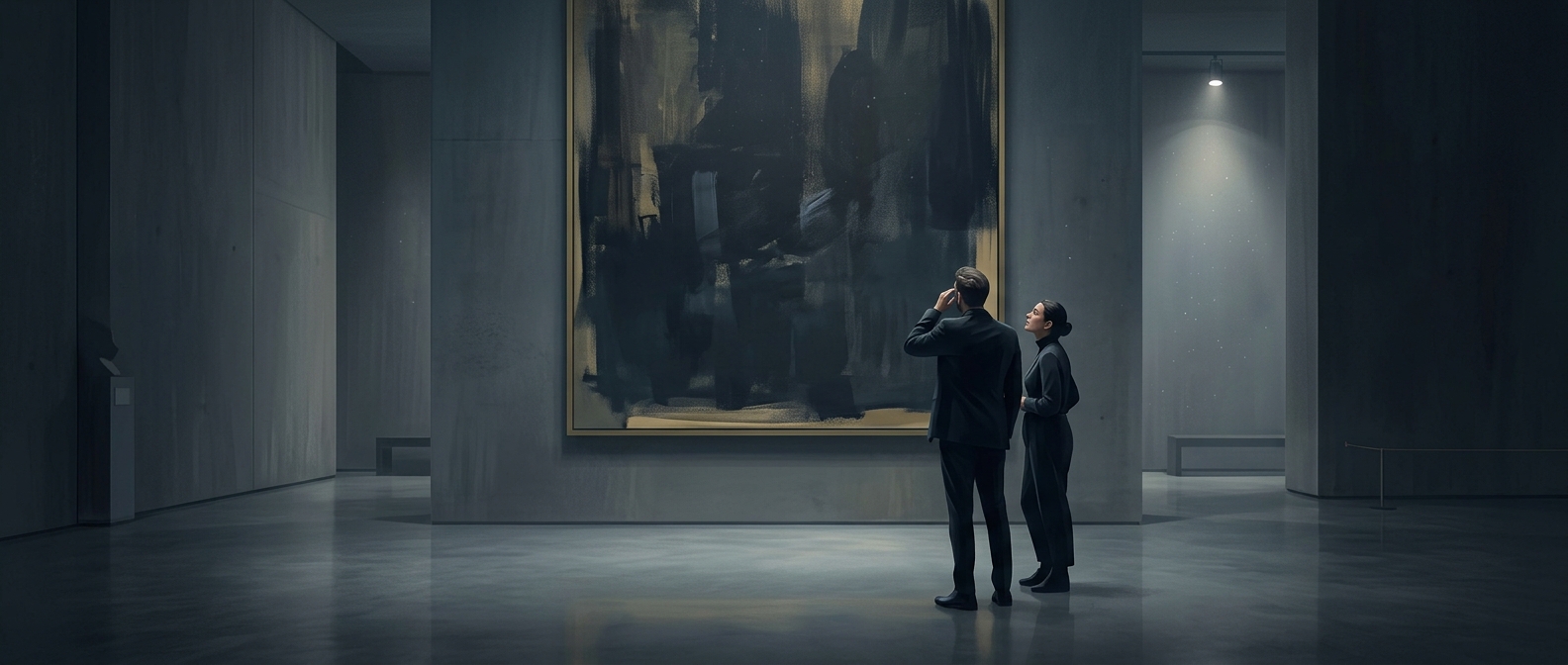
That ambiguity can make a gallery’s display choice hard to judge from the work alone. A canvas may be hung in an unintended orientation and still look coherent enough that visitors—including critics—accept it as presented. If the painting is eventually turned, the same marks can acquire a different balance or direction without changing at all.
Why the Mistake Can Last
Critics encounter a painting as it hangs, not as a puzzle with a known answer. They respond to the arrangement in front of them; unless something clearly signals that the canvas is upside down, there may be no reason to question its orientation. In abstract art, “upside down” can describe a mismatch with the artist’s intended arrangement rather than an obvious visual absurdity.
That is why a canvas can reportedly remain inverted for months before anyone notices. The striking part is not simply that viewers missed a mistake: it is that, without familiar visual landmarks, orientation itself can become part of what viewers think they are seeing.