Why the Last Waffle Feels Different
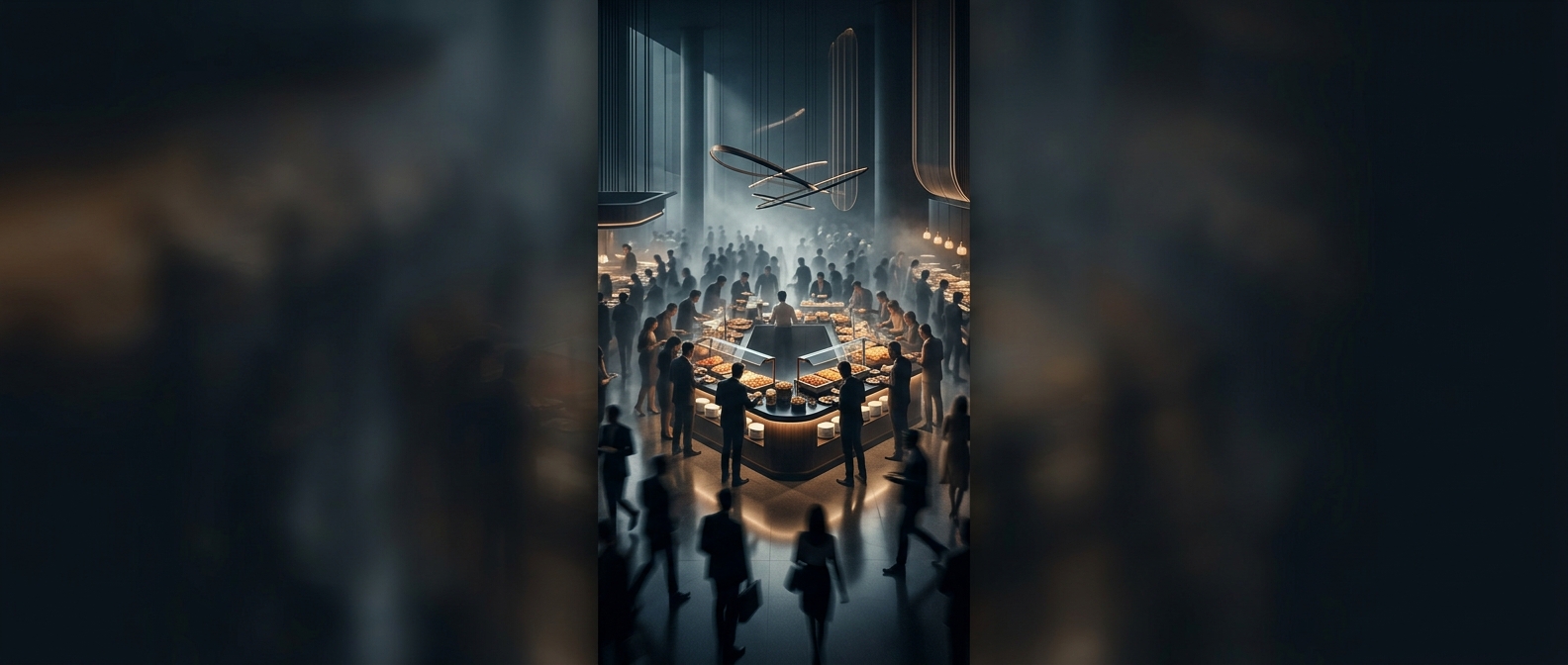
A buffet promises plenty, but diners do not experience every item as equally plentiful. A full tray signals that there is time to decide; a nearly empty one signals that the choice may disappear. That shift can make the last waffle feel more urgent than the dozens of other foods still available.
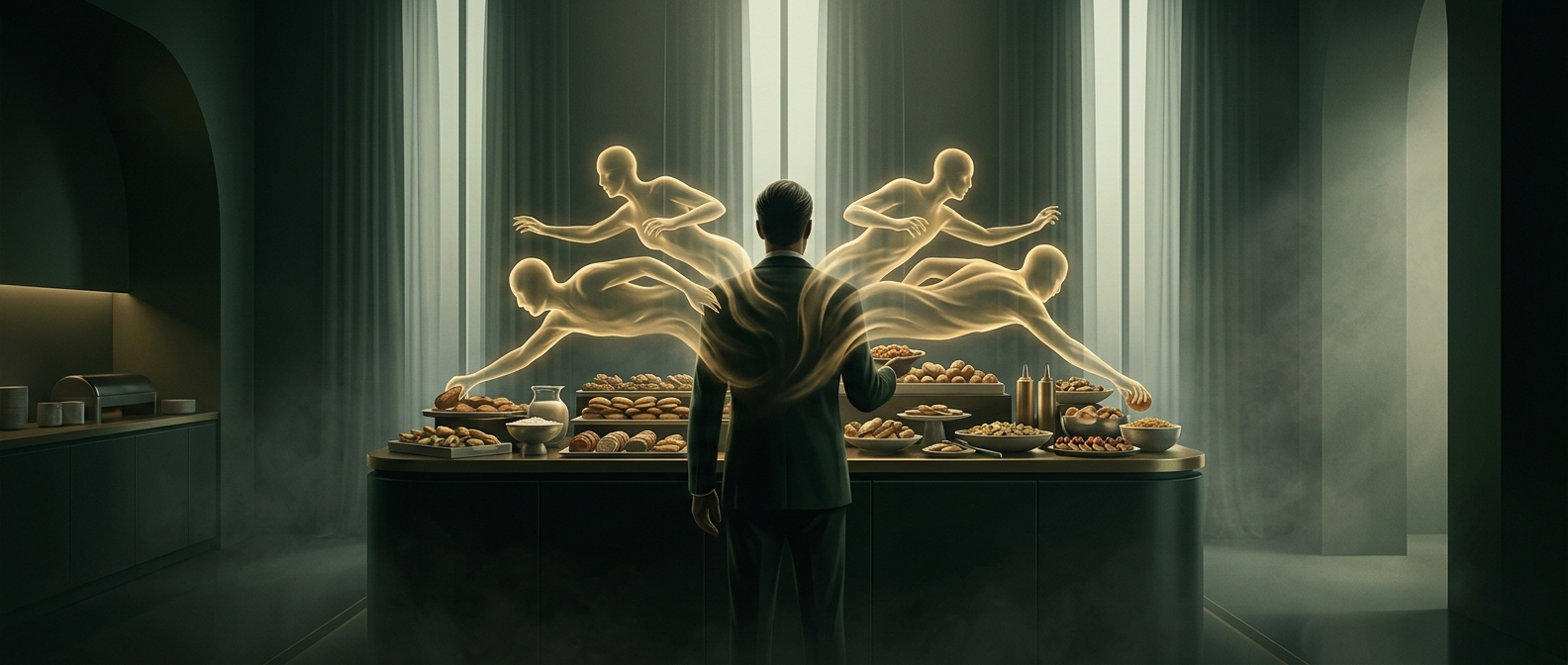
The competition is partly social. When someone reaches for the final piece, other diners can read that action as a cue: this item is worth taking now. A person who had been browsing may suddenly join in—not necessarily because they wanted another waffle, but because waiting could mean missing out. The food has become a small, visible contest over timing.
Abundance Does Not Eliminate Scarcity
Buffet food is unlimited in principle, not always available at every moment. Trays empty between refills, and diners cannot know exactly when a fresh batch will arrive. That brief gap makes a particular item scarce even when the restaurant has plenty of food overall.
The format also removes some ordinary brakes on ordering: there is no separate price attached to each serving, and diners can return for more. Yet taking food still has a cost if it goes uneaten. The buffet’s paradox is that an offer of abundance can make each temporary shortage feel more urgent. The last waffle can trigger a scramble even while a whole spread remains behind it.