A subtle body, not a map of nerves
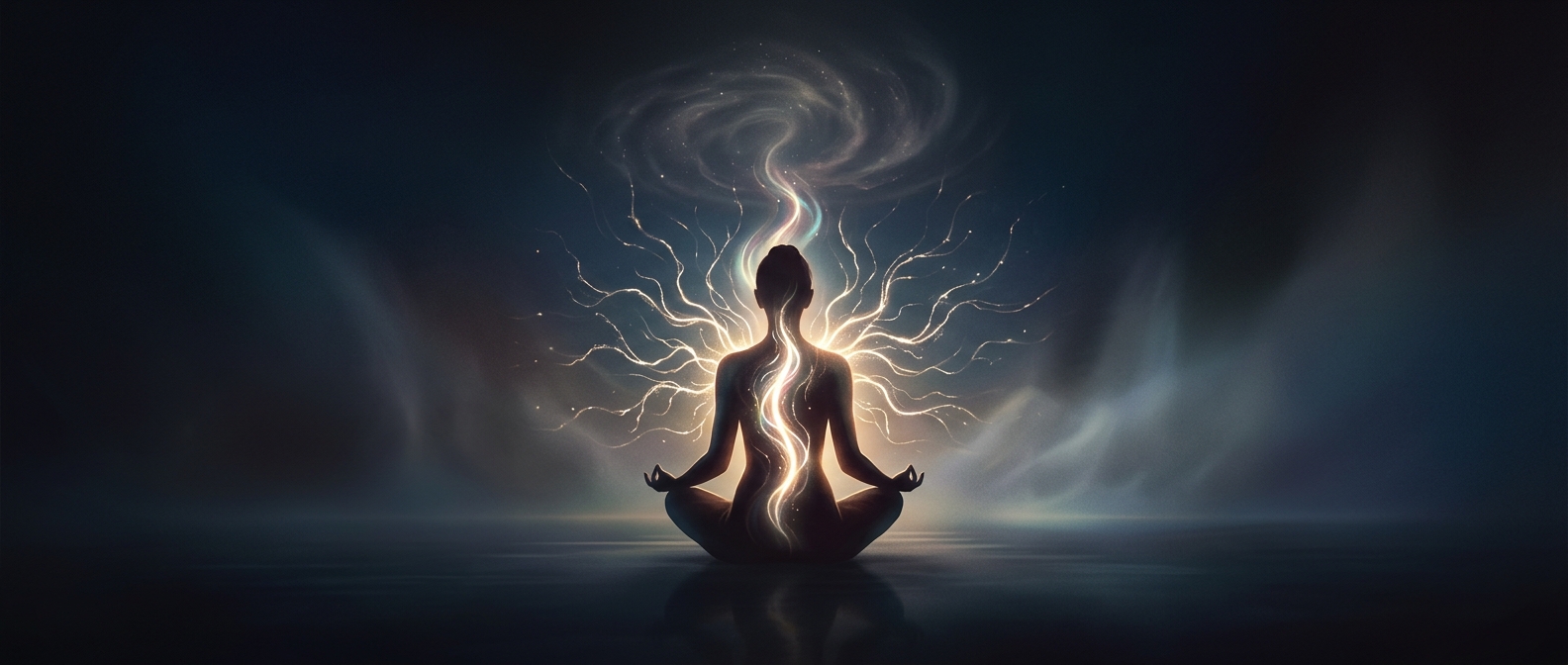
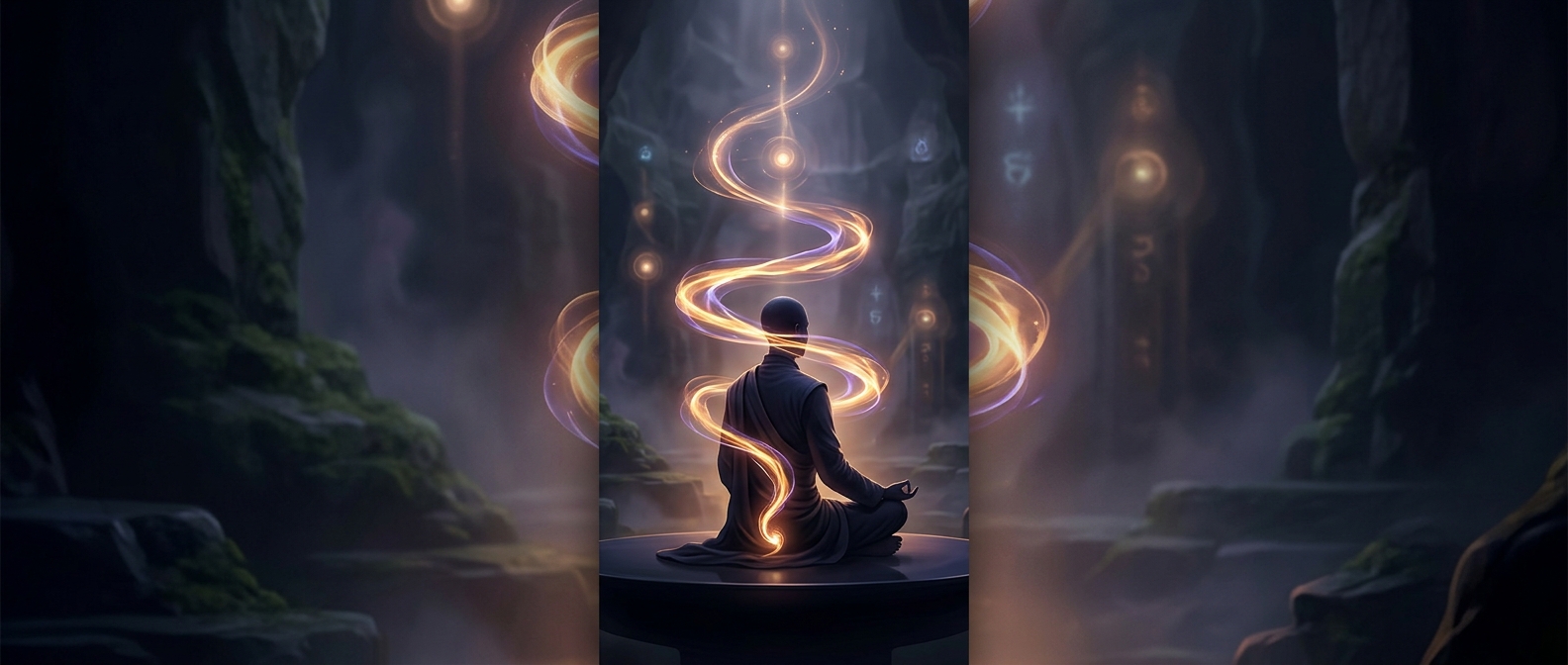
Abhinavagupta, a Kashmiri Shaiva philosopher and tantric teacher who lived around the turn of the first millennium, wrote about the body as more than flesh and bone. In the ritual and contemplative traditions he described, practitioners could imagine a subtle body: an inner landscape of channels, centers and divine powers used to understand and guide spiritual experience. Its features were not anatomical structures in the modern medical sense.
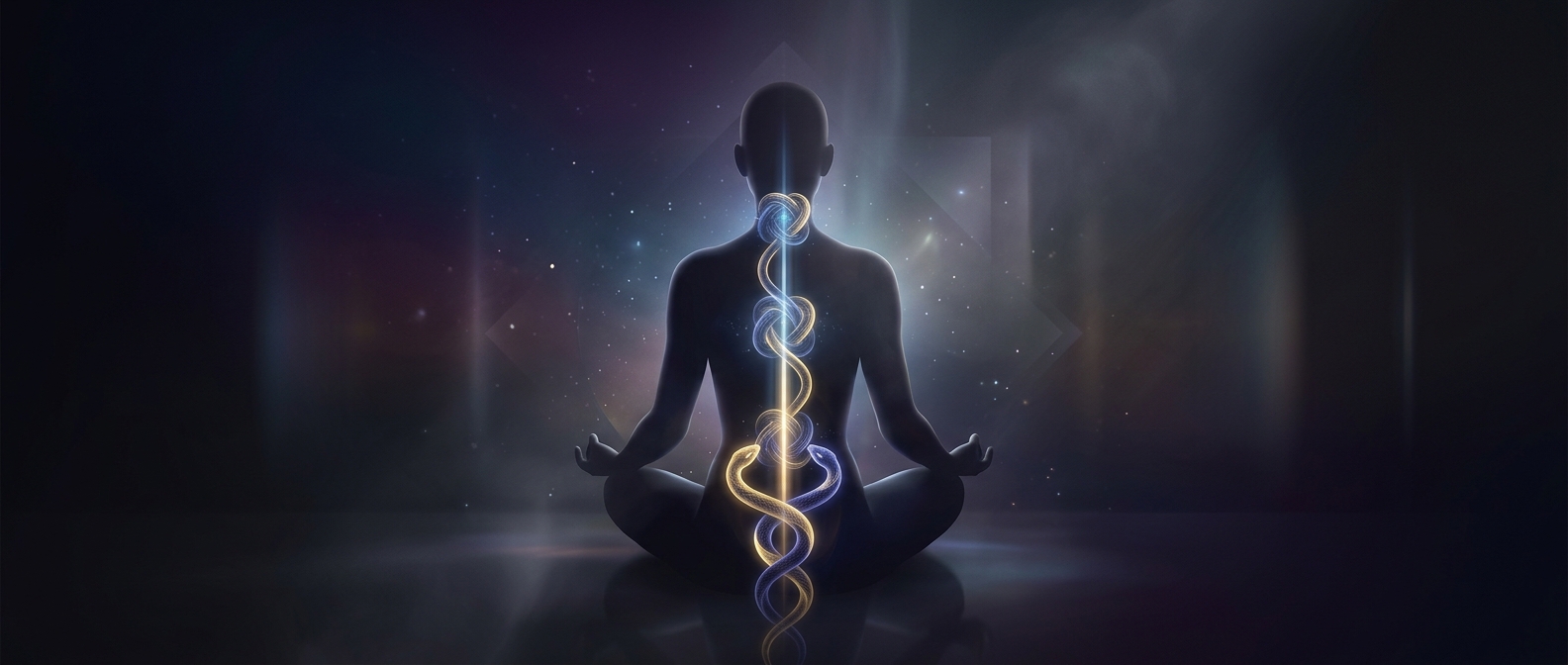
The image of chakras—often translated as “wheels”—belongs to a varied body of tantric practice, not one universal diagram. Different texts and lineages describe different arrangements. Treating them as seven glowing neurological organs turns a religious visualization into a claim it was not designed to make.
Kundalini as divine power
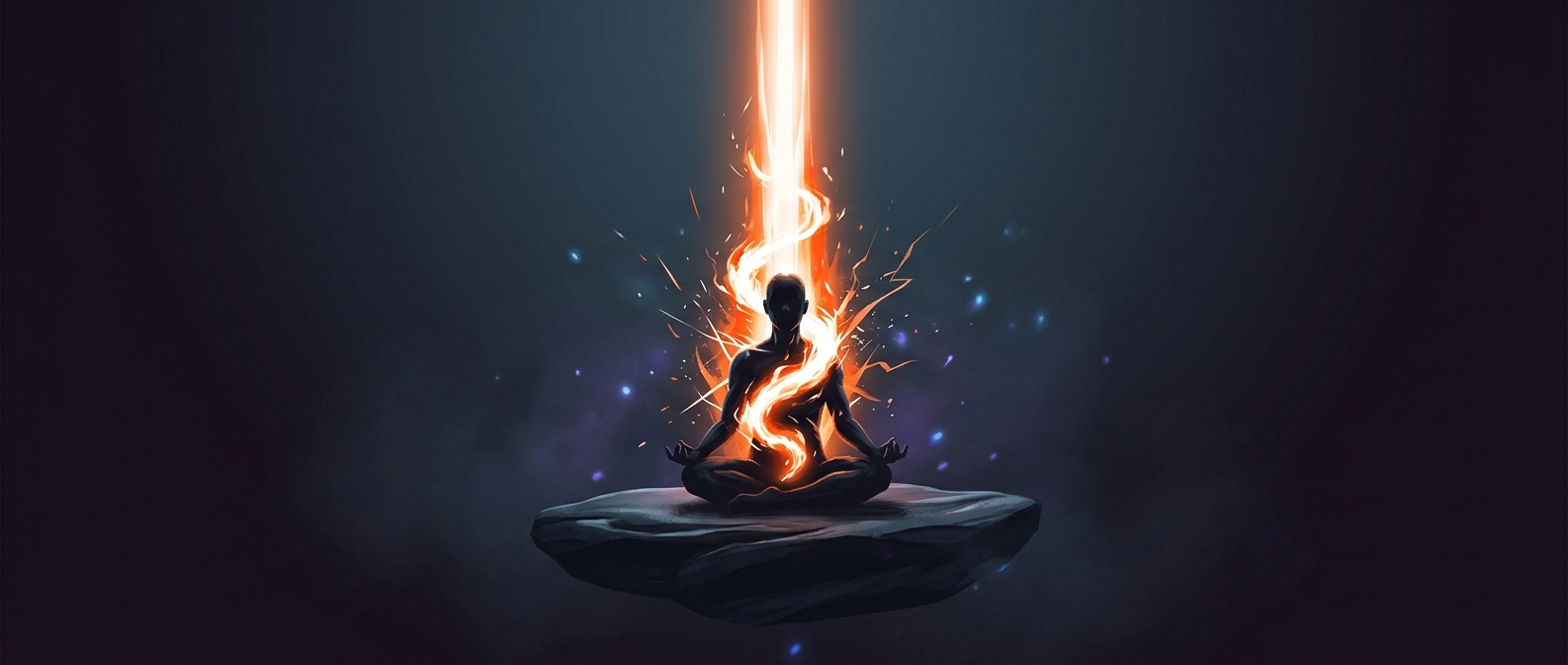
In Shaiva Tantra, Kundalini is associated with Shakti, the power through which the divine becomes active. The familiar image of a serpent coiled at the base of the body gives that latent power a vivid form. In contemplative practice, its ascent through inner centers represents a transformation of awareness, culminating in the recognition of unity with Shiva, the tradition’s name for ultimate consciousness.
That imagery could be intense, and tantric disciplines were embedded in ritual, instruction and a larger philosophy—not simply a breathing technique to try in isolation. But accounts of spiritual danger should not be inflated into claims that practitioners routinely risked madness or spontaneous combustion. Those sensational outcomes are not a reliable description of Abhinavagupta’s teaching.
Why the image still matters
The serpent-and-chakra picture makes an abstract idea feel bodily: spiritual change is imagined not as collecting beliefs, but as power moving through and reshaping the practitioner. Modern yoga often presents chakras as a neat, standardized system; their older tantric settings were more varied and tied to specific ritual aims. The striking point is that the “anatomy” was a map for practice and meaning, not a hidden diagram of the nervous system.